Vertical Gardens in Japan: Merging Nature with Modern Architecture
Vertical Gardens in Japan. Vertical gardens, also known as green walls or living walls, have become a distinctive feature in Japan’s urban environments. With limited space in dense cities such as Tokyo, Osaka, and Kyoto, vertical gardening offers a creative and sustainable way to bring greenery into metropolitan life. These gardens use advanced planting techniques and irrigation systems to grow vegetation on vertical surfaces, turning ordinary walls into vibrant ecosystems.
Introduction to Vertical Gardens in Japan
Japan’s approach to vertical gardening blends traditional aesthetics with modern environmental technology. From corporate buildings to residential homes and even train stations, vertical gardens enhance air quality, provide insulation, and create visually stunning landscapes. Their rise in popularity reflects Japan’s broader commitment to environmental sustainability and innovative design solutions.
The Cultural and Environmental Context of Vertical Gardens in Japan
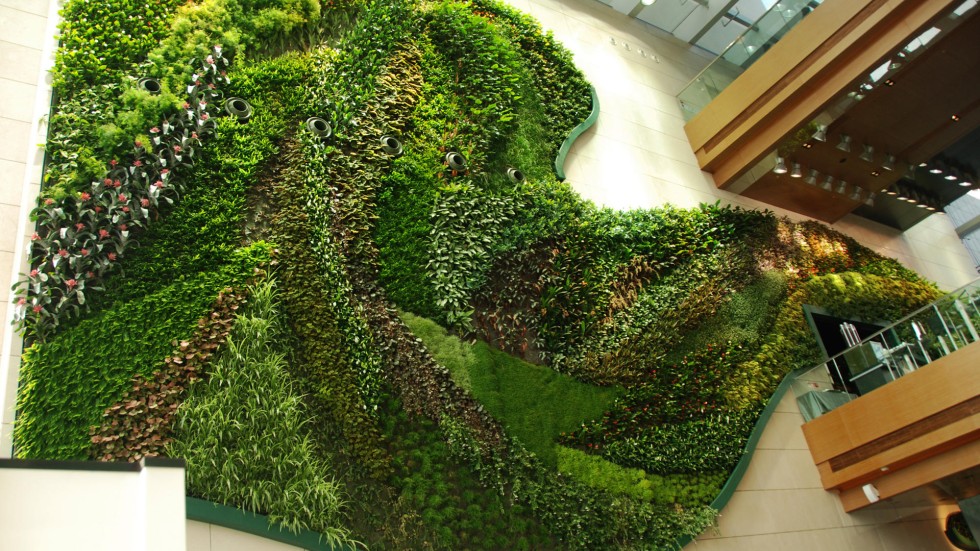
In Japanese culture, nature is deeply integrated into daily life, with design philosophies such as wabi-sabi and shizen valuing harmony between humans and the natural world. Vertical gardens extend this tradition into contemporary architecture, allowing even the most urbanized areas to enjoy natural beauty.
Environmental challenges in Japan, including urban heat islands, limited green space, and air pollution, have driven the adoption of vertical gardening systems. They serve not only as an aesthetic feature but also as a functional tool for climate control, biodiversity enhancement, and mental well-being.
How Vertical Garden Technology Works
A modern vertical garden in Japan typically involves three key components: a structural support, a growing medium, and an integrated irrigation system. The structure is mounted on building facades or freestanding walls, while the growing medium (which may be soil-based or hydroponic) anchors the plants. Automated irrigation systems distribute water and nutrients efficiently, minimizing waste.
In advanced installations, sensor-based technology monitors plant health, adjusting water and nutrient delivery in real time. This makes vertical gardens more sustainable and easier to maintain, even in the busiest urban centers.
Real-World Examples of Vertical Gardens in Japan
1. Pasona Urban Farm, Tokyo

Pasona Urban Farm in Tokyo is one of the most iconic examples of vertical gardening in Japan. Located inside an office building, the farm integrates vertical planting systems alongside traditional horizontal gardens. Employees work surrounded by edible plants, contributing to both workplace wellness and food production. This project showcases how vertical gardens can serve both decorative and functional purposes.
The vertical gardens here are designed with a combination of leafy greens, herbs, and ornamental plants. Automated watering systems ensure optimal growth, while LED lighting supports photosynthesis indoors. The result is a lush green interior that reduces stress and boosts air quality for employees.
2. ACROS Fukuoka Prefectural International Hall
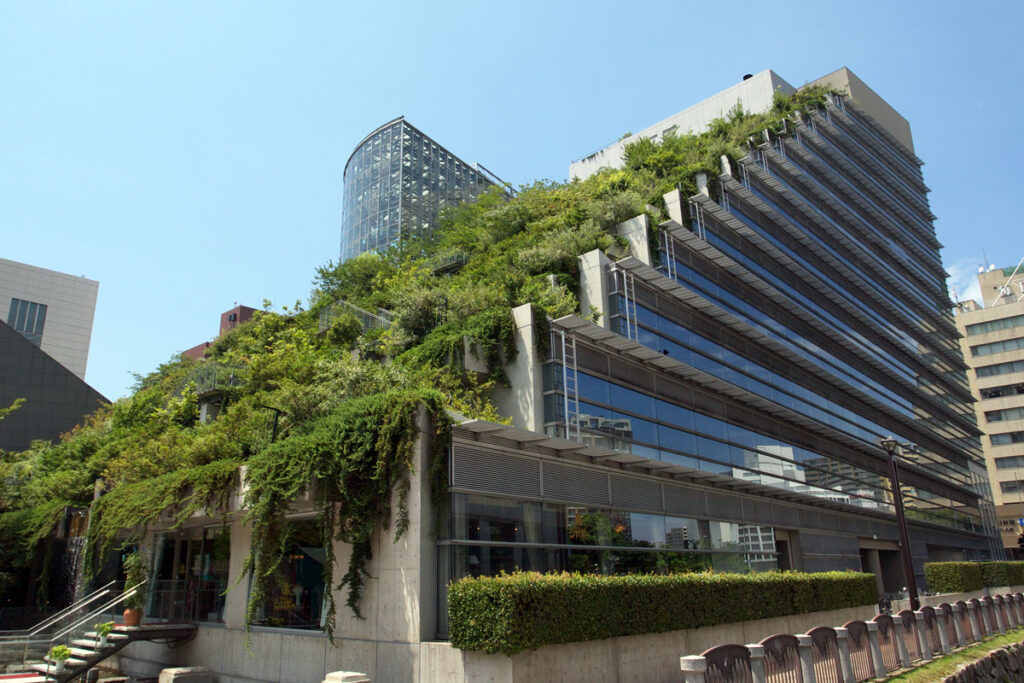
The ACROS building in Fukuoka is an architectural marvel with a stepped garden that climbs its facade. While technically a series of terraced gardens, many sections incorporate vertical green wall systems to cover vertical spaces between terraces.
This project demonstrates the potential of integrating vertical gardening into large-scale architecture. The building’s greenery reduces heat absorption, lowers energy costs, and provides a natural habitat for birds and insects in an otherwise urban environment.
3. Narita International Airport Green Wall
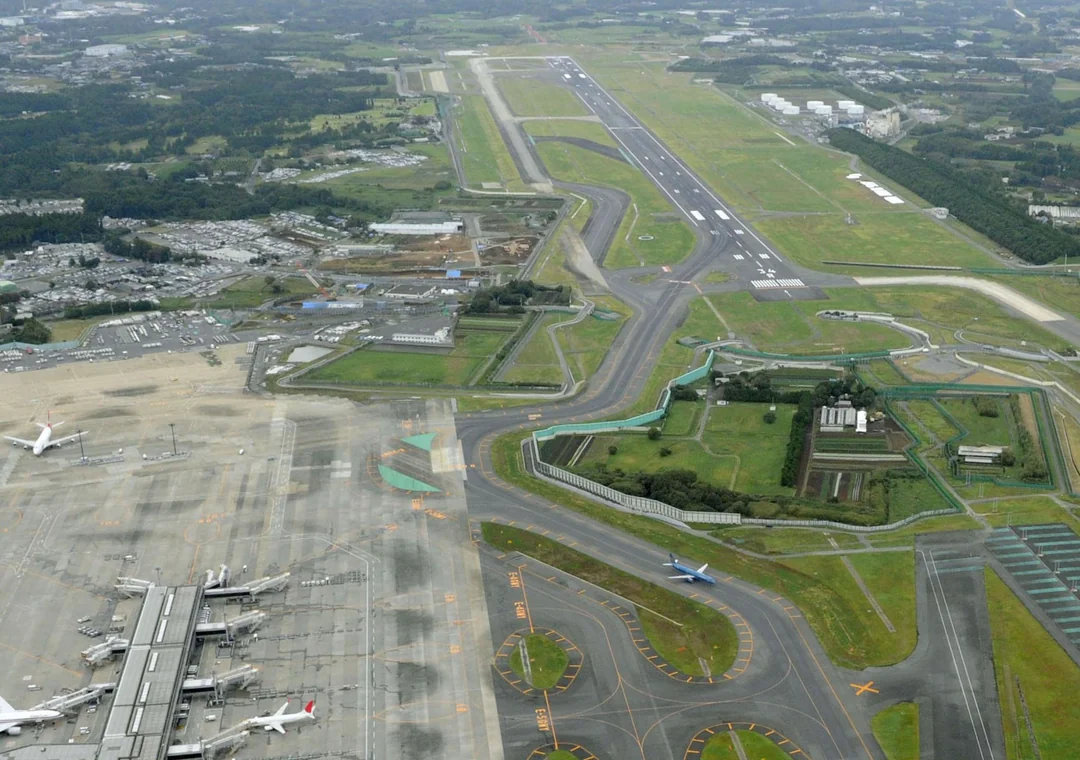
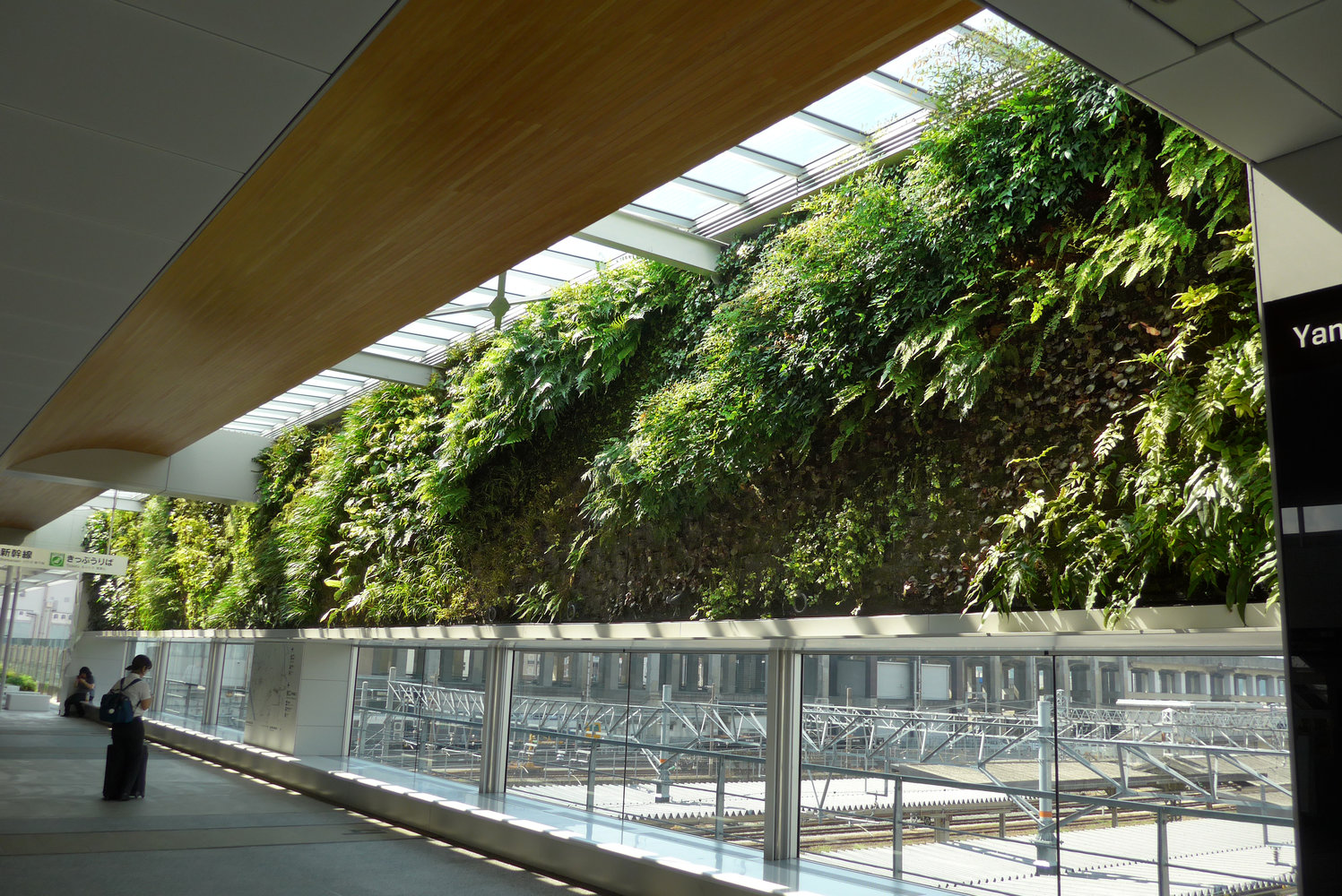
Narita International Airport uses a massive green wall in its terminal design. The purpose extends beyond aesthetics—it’s part of a strategy to create a calming atmosphere for travelers. Vertical gardens like this can reduce ambient noise, improve humidity levels, and enhance air quality in high-traffic areas.
Plants are carefully selected for durability, requiring minimal maintenance despite being exposed to fluctuating indoor climate conditions. This project illustrates how vertical gardens can bring a touch of nature to otherwise stressful public environments.
Benefits of Vertical Gardens in Japan
Vertical gardens offer multiple advantages in Japan’s urban landscape. First, they optimize the use of limited space. In cities where horizontal gardening is impractical, vertical walls provide a solution without sacrificing valuable floor area.
They also contribute to energy efficiency by acting as natural insulation. A green wall can help keep buildings cooler in summer and warmer in winter, reducing energy consumption. In addition, vertical gardens filter pollutants from the air, enhancing overall urban air quality.
From a psychological perspective, vertical gardens help reduce stress and improve mental well-being. Exposure to greenery, even in compact urban settings, has been linked to increased productivity and mood enhancement.
Use Cases of Vertical Gardens in Japan
One major application is in corporate offices, where vertical gardens enhance aesthetics and promote employee health. For example, Tokyo-based tech firms often integrate indoor green walls in break areas to encourage relaxation and creativity.
Another use case is in retail spaces and shopping malls. Green walls attract customers, create photo-friendly environments, and align with eco-conscious branding strategies. They also improve indoor climate control, which benefits both shoppers and merchandise.
Public infrastructure projects in Japan increasingly incorporate vertical gardens. Train stations, airports, and government buildings use green walls to soften architectural lines, reduce noise, and showcase environmental leadership.
Challenges and Considerations in Vertical Garden Implementation
While vertical gardens have many benefits, they require thoughtful planning. Proper plant selection is essential—species must be suitable for Japan’s climate and the specific light and moisture conditions of the installation site.
Maintenance is another key consideration. Even with automated systems, periodic inspection and plant replacement are necessary. Costs can also be higher compared to traditional landscaping, although long-term environmental and health benefits often outweigh the initial investment.
Frequently Asked Questions
Q1. Are vertical gardens suitable for small Japanese homes?
Yes, vertical gardens are ideal for small homes and apartments in Japan. They maximize greenery in limited spaces, often using walls, balconies, or modular frames to create a garden without reducing living space.
Q2. Do vertical gardens work in Japan’s varying climate?
With proper plant selection and irrigation, vertical gardens can thrive in Japan’s diverse climates. Seasonal adjustments, such as changing plant species or modifying watering schedules, help ensure year-round success.
Q3. How do vertical gardens contribute to urban sustainability in Japan?
They help reduce heat islands, improve air quality, conserve energy, and increase biodiversity. Vertical gardens also promote mental well-being, making them a valuable tool for sustainable city planning.