Scandinavian Exterior Design Norway: Style, Functionality, and Inspirations
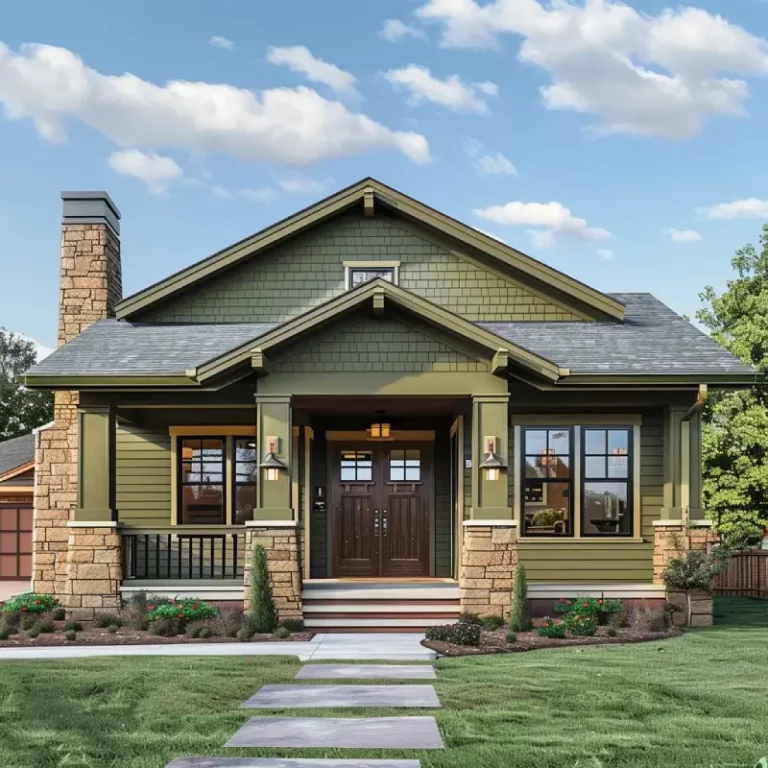
Scandinavian exterior design in Norway is more than a visual style — it is a way of building that reflects a deep connection to nature, respect for functionality, and a desire for timeless simplicity. Rooted in the Nordic philosophy of minimalism and practicality, these exteriors often combine clean lines, natural materials, and muted colour palettes to create a warm, inviting presence despite the country’s long, cold winters.
Introduction to Scandinavian Exterior Design in Norway
In Norway, architecture must also adapt to extreme seasonal variations — from snowy, dark winters to bright, mild summers. Scandinavian exterior design addresses this through energy-efficient building methods, climate-resistant materials, and layouts that maximise light and warmth. This balance of beauty and performance has made the style globally admired and uniquely suited to the Norwegian landscape.
Core Principles of Scandinavian Exterior Design
Scandinavian exterior design in Norway follows a set of principles that have been shaped by centuries of living in harmony with the environment. Simplicity is at the heart of it, with architectural forms kept clean and free from unnecessary ornamentation. This doesn’t mean the designs are plain — rather, they use proportion, texture, and light to create understated elegance.
Materials are carefully chosen for both aesthetics and performance. Timber, stone, and metal are common, often left in their natural state or finished in soft neutral tones. Roofs are typically pitched to handle heavy snow loads, while windows are large to capture as much daylight as possible during the darker months.
Popular Trends in Norwegian Scandinavian Exteriors
Natural Material Integration
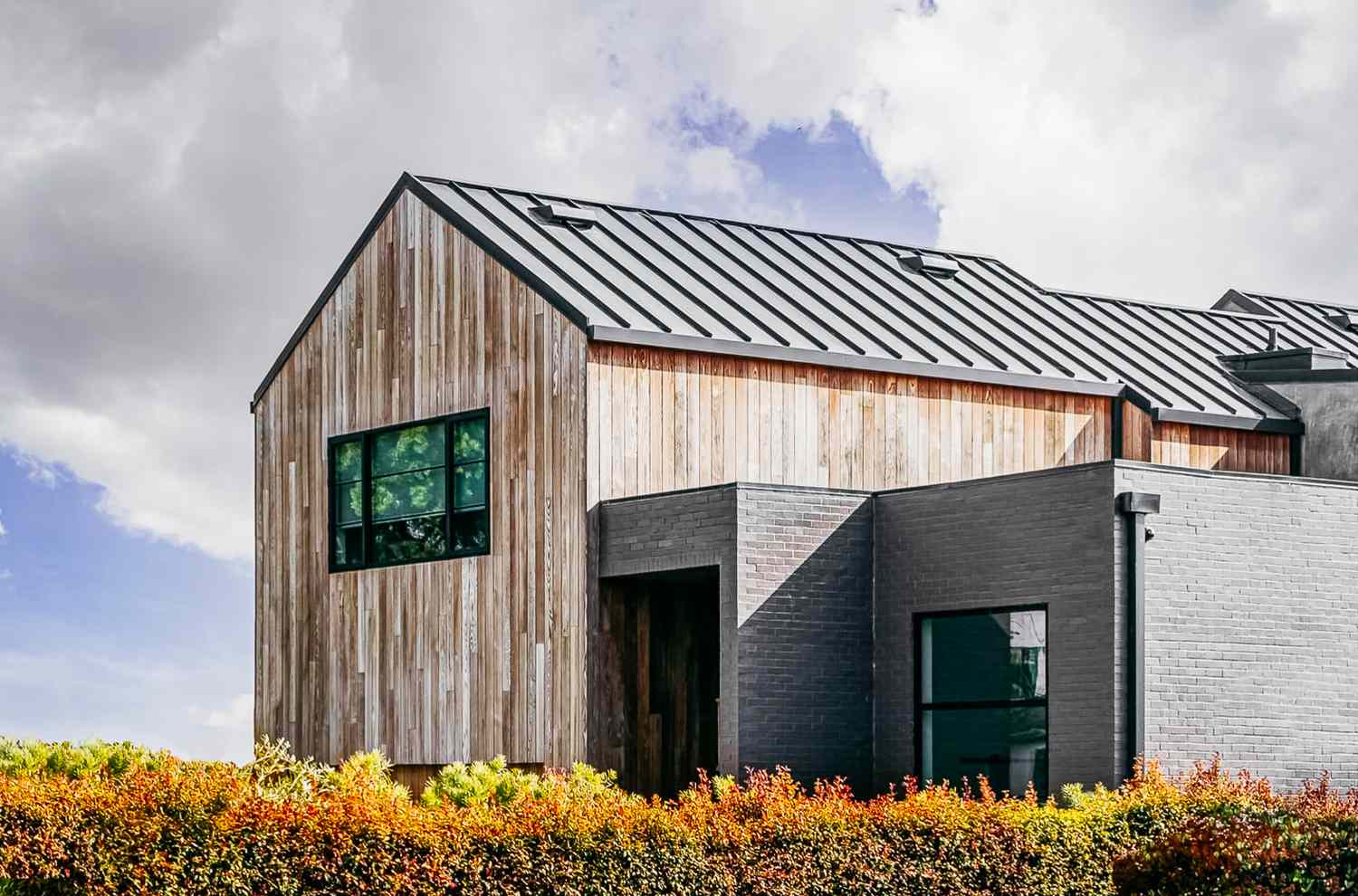
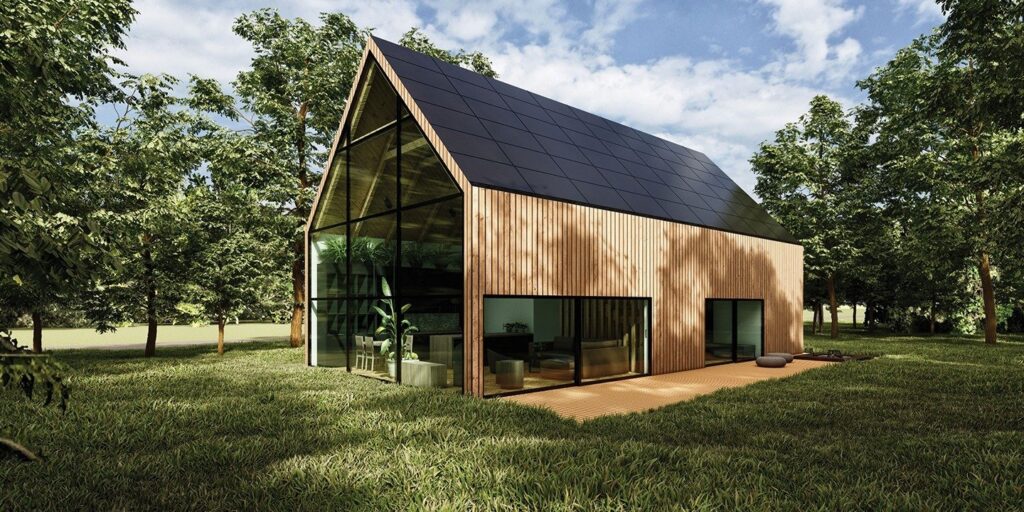
In modern Norwegian design, using local and sustainable materials remains a top priority. Homes often feature untreated or lightly stained wood, which weathers naturally over time to blend into the surrounding environment. Stone foundations and accents are also common, grounding the home in its landscape.
This approach not only enhances visual harmony but also reduces the environmental footprint, aligning with Norway’s strong sustainability ethos.
Dark and Neutral Colour Palettes
While many think of Scandinavian design as strictly white and light, Norway often embraces darker exterior tones — deep charcoal, forest green, and muted earthy browns. These colours complement the natural scenery and create a cosy, grounded feel, especially in snowy conditions where they contrast beautifully with the winter landscape.
Neutral tones are still prevalent, but the trend toward darker hues offers a modern, sophisticated twist on traditional Nordic exteriors.
Real-World Example Designs
1. Oslo Fjord Minimalist Villa
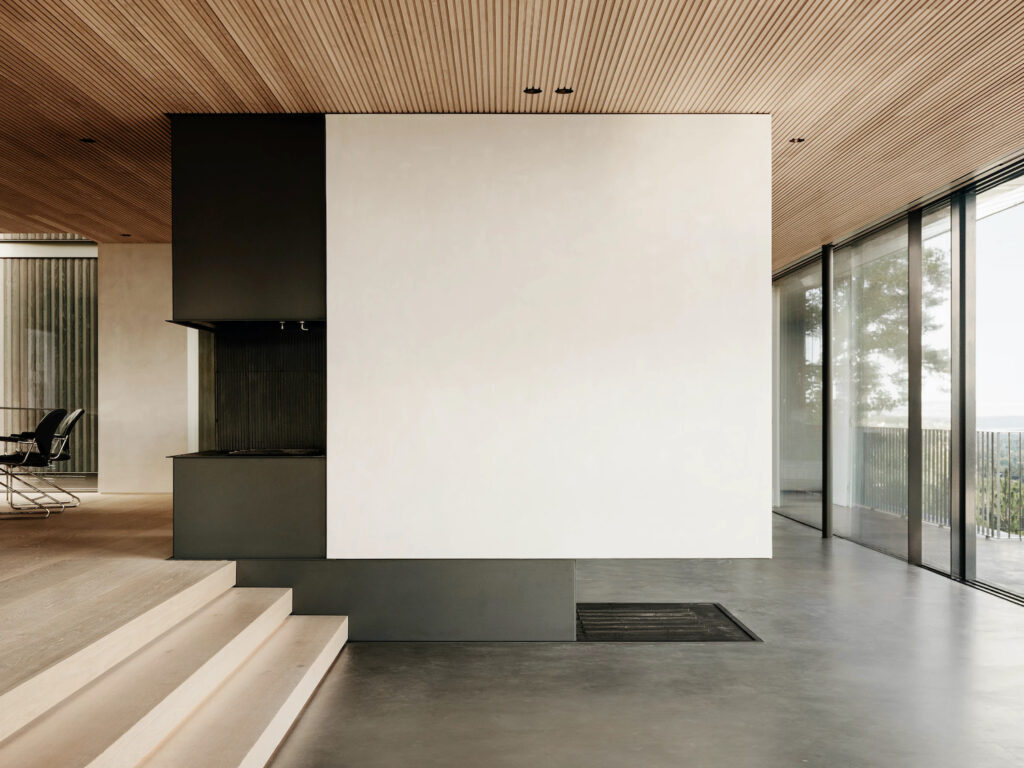
Situated on the banks of the Oslo Fjord, this villa features a striking blend of vertical timber cladding and expansive glass panels. The exterior is designed to frame panoramic water views while providing excellent insulation against coastal winds. The combination of natural wood and modern glazing creates a balance between traditional craftsmanship and contemporary elegance.
A subtle overhanging roof protects outdoor seating areas from rain and snow, allowing residents to enjoy the view year-round.
2. Lofoten Islands Coastal Cabin
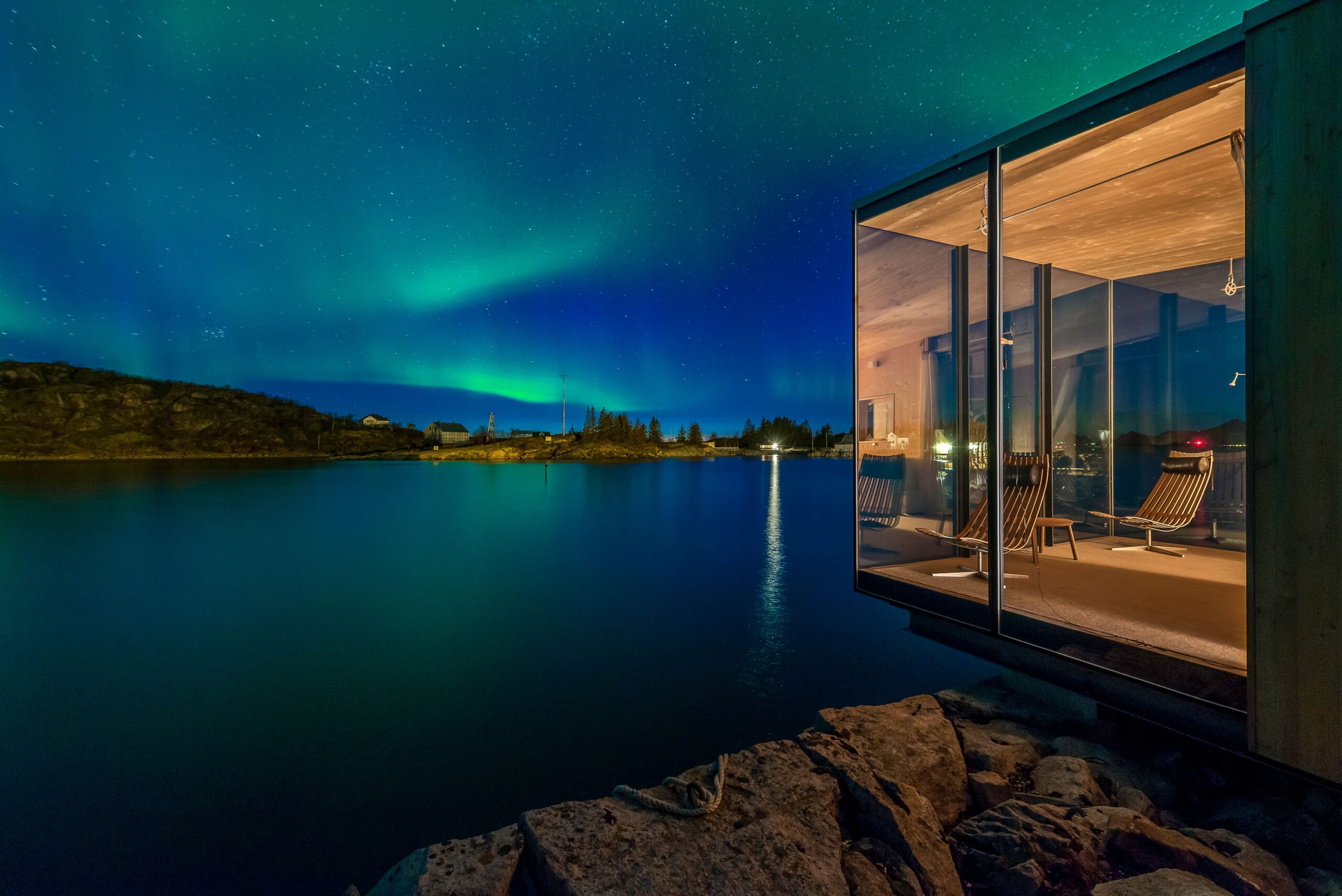
This small but luxurious cabin uses reclaimed timber and a steeply pitched roof to withstand heavy snowfall. The exterior’s deep black stain contrasts dramatically with the surrounding snow in winter, while in summer, it mirrors the dark rocky shoreline.
Large triple-glazed windows invite light into the interior and offer uninterrupted views of the sea. Despite its modest size, this home embodies the key Scandinavian principles of efficiency, beauty, and connection to nature.
3. Bergen Hillside Residence
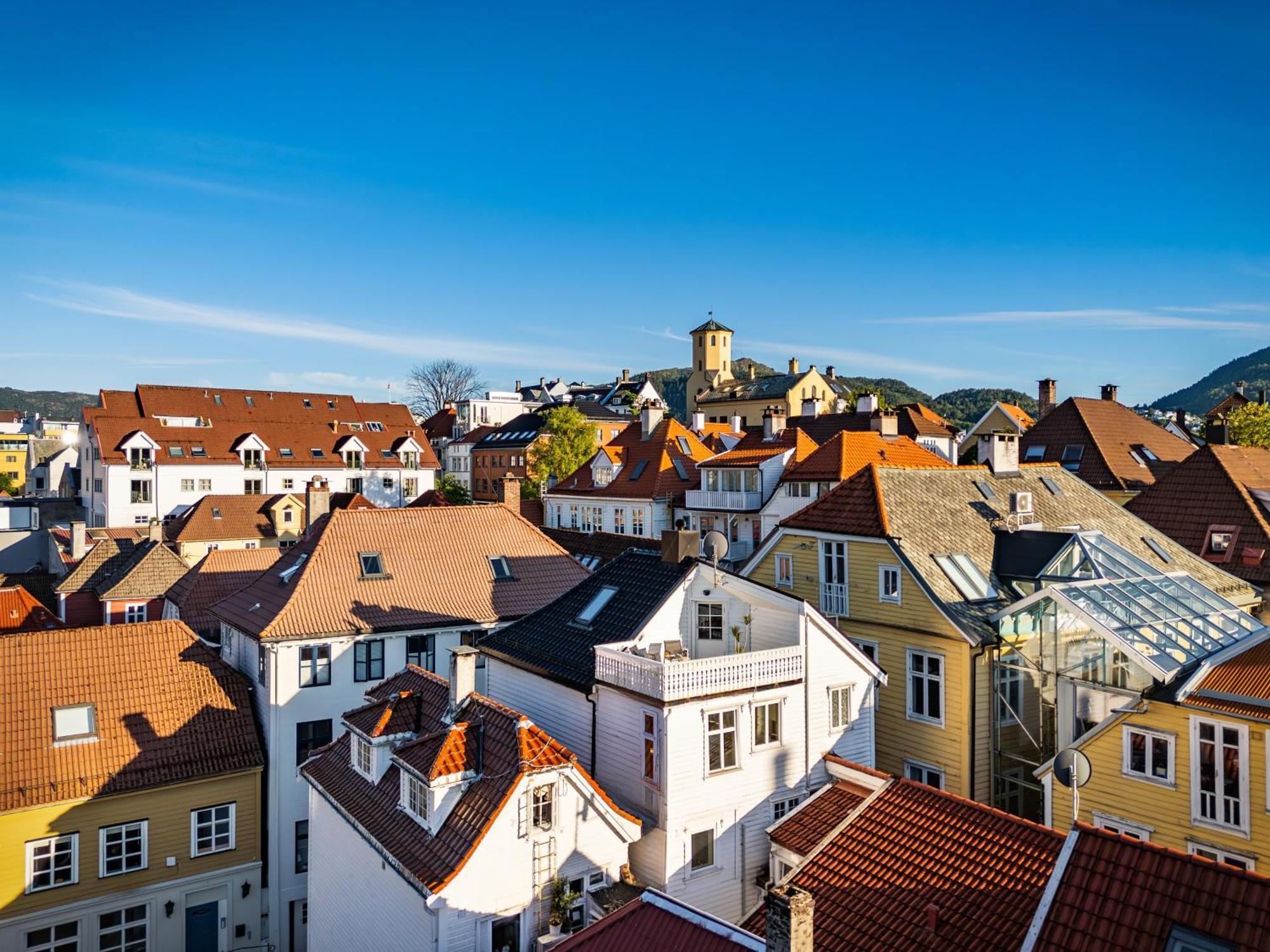
Built into a sloping hillside, this residence takes advantage of natural topography for both stability and insulation. Stone retaining walls blend seamlessly into the terrain, while the upper levels feature light grey timber siding. The angled roof design channels rain and snow runoff effectively, an important consideration in Bergen’s wet climate.
The house also incorporates a green roof section planted with native vegetation, enhancing both insulation and biodiversity.
Benefits of Using Technology in Scandinavian Exterior Design
Energy Efficiency
Norwegian homes often integrate advanced insulation systems, triple-glazed windows, and air-tight construction techniques. These technologies reduce heating requirements, which is crucial during Norway’s long winters, while also lowering long-term energy costs.
Durability in Harsh Climates
Climate-adapted construction technology ensures that exteriors can endure freezing temperatures, heavy snow, and high humidity. Treated timber, weather-resistant coatings, and modern roof drainage systems extend the lifespan of materials.
Smart Home Integration
Modern Scandinavian exteriors increasingly include discreet smart features such as automated lighting, remote-controlled exterior blinds, and security systems that blend into the design. This enhances convenience and safety without compromising aesthetics.
Practical Use Cases
Designing for Extreme Weather
Scandinavian exterior design in Norway is an excellent choice for regions with unpredictable or severe weather. Materials and layouts are selected to manage snow loads, resist moisture damage, and maintain warmth indoors.
Maximising Natural Light
In areas with limited daylight during winter, large strategically placed windows and reflective exterior finishes help draw in and amplify natural light, improving interior comfort and mood.
Blending with Natural Landscapes
For rural or coastal properties, Scandinavian design ensures that a home integrates seamlessly with its surroundings rather than overpowering them. This is particularly valued in Norway, where preserving the natural beauty of the land is a cultural priority.
FAQ
Q1. What makes Scandinavian exterior design unique in Norway compared to other Nordic countries?
While all Nordic countries share similar principles, Norway’s architecture places stronger emphasis on steep roofs, darker colour palettes, and materials suited for mountainous and coastal conditions.
Q2. Is Scandinavian exterior design only for rural homes?
Not at all. While it is common in countryside and coastal locations, modern adaptations are increasingly popular in Norwegian cities, blending minimalist aesthetics with urban functionality.
Q3. Can older Norwegian homes be renovated with Scandinavian exterior principles?
Yes. Many traditional wooden homes are updated with Scandinavian elements such as simplified facades, improved insulation, and modern colour schemes while retaining their historical charm.