Rooftop Gardens in Singapore: Transforming Urban Spaces into Green Havens
Rooftop gardens in Singapore have evolved into more than just a design trend—they are a powerful solution to urban challenges such as heat, pollution, and the need for green spaces. As a country renowned for its “City in a Garden” vision, Singapore incorporates rooftop greenery as a vital component of sustainable development. With limited land space and a dense skyline, rooftop gardens are a smart way to bring nature into urban areas without sacrificing valuable ground-level land.
Introduction to Rooftop Gardens in Singapore
These elezhhavardens provide residents, businesses, and visitors with refuge outdoor areas for relaxation, community engagement, and even urban farming. From commercial skyscrapers to residential buildings, rooftop gardens are reshaping the way Singapore interacts with nature.
The Evolution of Rooftop Gardens in Singapore
The rise of rooftop gardens in Singapore can be traced back to the city-state’s commitment to environmental sustainability. Government initiatives such as the LUSH (Landscaping for Urban Spaces and High-Rises) programme have encouraged building owners to incorporate greenery into their developments.
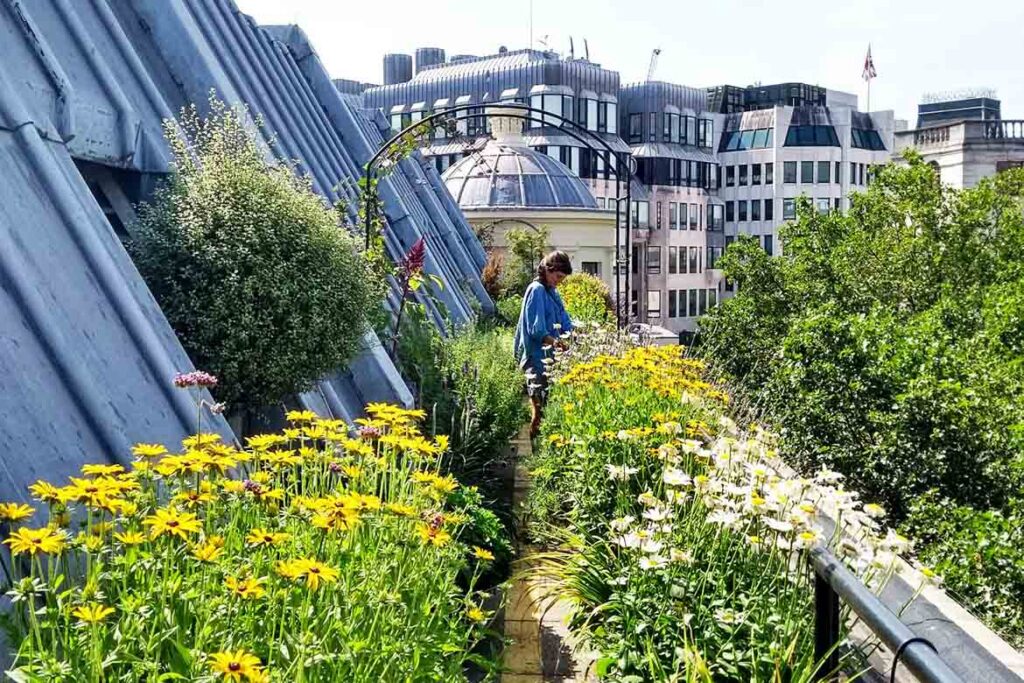
Over time, rooftop gardens have evolved from simple grass-covered roofs to highly sophisticated green spaces featuring seating areas, play zones, vegetable plots, and even water features. They are no longer just an aesthetic addition—they now contribute to biodiversity, lower urban temperatures, and improve overall air quality.
Benefits of Rooftop Gardens in Singapore
Cooling the Urban Heat Island Effect
Singapore’s urban heat is intensified by concrete and asphalt surfaces, which absorb and radiate heat. Rooftop gardens act as natural insulation, reducing building temperatures and lowering the need for air conditioning. This not only saves energy but also contributes to a cooler city environment.
Enhancing Biodiversity in the City
Rooftop gardens can host pollinator-friendly plants, attracting bees, butterflies, and birds. This creates mini ecosystems that improve biodiversity and support environmental balance in urban settings.
Improving Mental Wellbeing
Access to greenery has been proven to reduce stress and improve mental health. Rooftop gardens give city dwellers a peaceful retreat without needing to travel far.
Technological Advancements in Rooftop Gardens
Modern rooftop gardens in Singapore benefit greatly from technological innovations.
Smart Irrigation Systems ensure plants get the right amount of water while conserving resources. Sensors measure soil moisture levels and weather conditions, automatically adjusting watering schedules.
Lightweight Soil and Green Roof Systems allow gardens to flourish without overloading building structures. Advances in materials mean even tall buildings can support lush greenery without structural risks.
Solar Integration is increasingly common, where solar panels coexist with rooftop gardens. This combination maximizes space usage while supporting renewable energy goals.
Real-World Examples of Rooftop Gardens in Singapore
1. Marina Bay Sands SkyPark
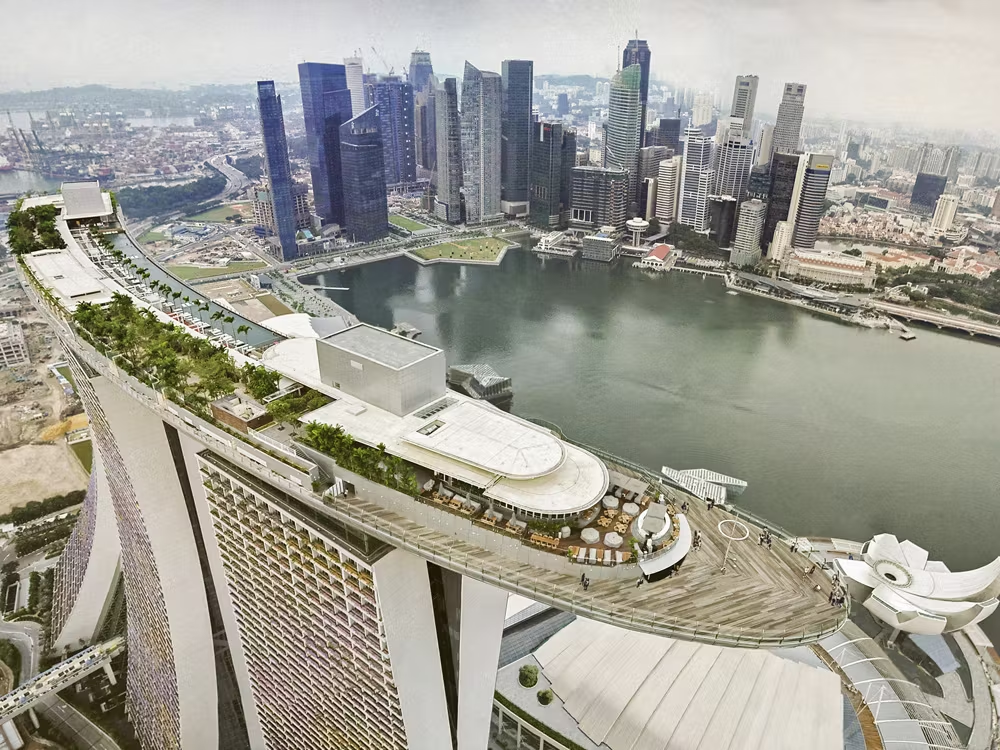
Perched atop the iconic Marina Bay Sands hotel, the SkyPark offers one of the most famous rooftop garden experiences in the world. This lush green space combines landscaped lawns, tropical plants, and an infinity pool overlooking the skyline. It showcases how luxury, leisure, and greenery can harmoniously coexist.
Beyond aesthetics, the SkyPark’s greenery helps reduce the heat absorbed by the building’s massive rooftop surface, improving energy efficiency. It is a prime example of how rooftop gardens can be both functional and glamorous.
2. Oasia Hotel Downtown

Oasia Hotel Downtown is a vertical green marvel. While its façade is covered in climbing plants, the rooftop features a tranquil garden retreat. This space is designed for relaxation, with shaded seating areas and panoramic views of the city.
Its greenery acts as a natural air filter, improving air quality for guests and the surrounding areas. The rooftop garden complements the building’s overall eco-friendly design, demonstrating how hotels can merge hospitality with sustainability.
3. Khoo Teck Puat Hospital

This hospital is famous for integrating nature into its design, and the rooftop gardens are a key part of its healing environment. Patients and visitors can walk among flowering plants, herbs, and water features, promoting a sense of calm and recovery.
The garden is also used for community activities such as gardening workshops, strengthening the connection between healthcare and nature. It shows how rooftop gardens can extend beyond leisure, becoming vital components of wellbeing.
4. National Gallery Singapore
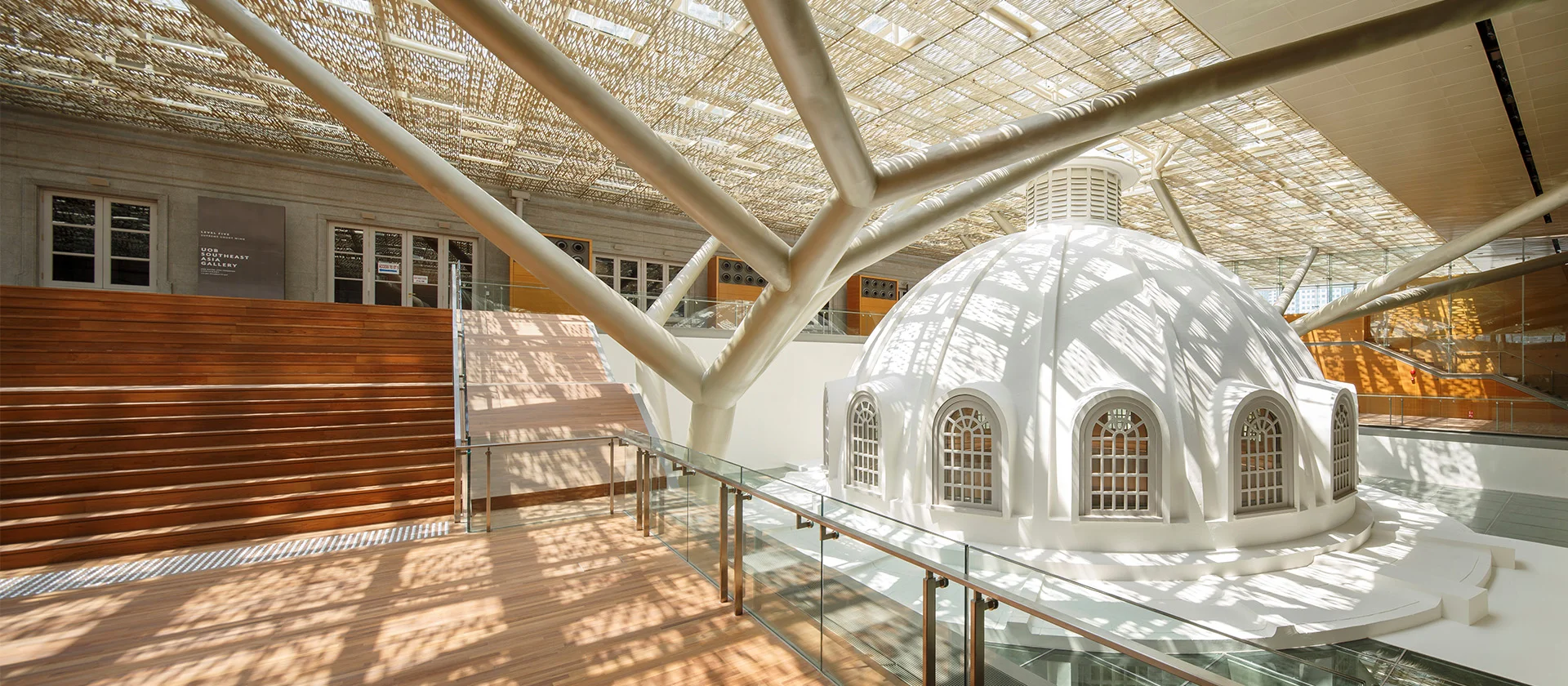
The rooftop garden here offers stunning views of Marina Bay while featuring well-maintained lawns and art-inspired landscaping. It is both a cultural and green space, often used for exhibitions and events. Incorporating greenery into a heritage building demonstrates that rooftop gardens can enhance historic architecture while maintaining a modern, eco-friendly touch.
Use Cases of Rooftop Gardens in Singapore
Creating Urban Farms
Some rooftop gardens are dedicated to urban agriculture, providing fresh vegetables and herbs for local restaurants and communities. This reduces food miles and encourages sustainable eating habits.
Providing Public Recreation Spaces
In high-density areas, rooftop gardens serve as public parks in the sky. They offer play areas for children, exercise zones for adults, and peaceful retreats for seniors.
Corporate Wellness Initiatives
Companies with rooftop gardens provide employees with spaces to take breaks, hold outdoor meetings, or practice mindfulness, improving workplace wellbeing and productivity.
Practical Benefits of Rooftop Gardens
-
Environmental Impact: Reduced carbon footprint through natural cooling and air purification.
-
Economic Advantages: Lower energy bills and potential tax incentives for green development.
-
Aesthetic Appeal: Enhances building value and visual impact in competitive real estate markets.
-
Social Benefits: Creates communal spaces that encourage interaction and community bonding.
Frequently Asked Questions
1. Are rooftop gardens in Singapore expensive to maintain?
Maintenance costs vary depending on size, plant selection, and irrigation systems. However, modern technologies like automated watering help reduce costs over time.
2. Do rooftop gardens require special building permits in Singapore?
Yes. Structural safety assessments and approvals from relevant authorities are required to ensure the rooftop can support the garden’s weight and design.
3. Can rooftop gardens withstand Singapore’s heavy rainfall and heat?
With proper drainage, soil selection, and heat-resistant plants, rooftop gardens can thrive despite Singapore’s tropical climate.