Glass Facade Houses in Switzerland: Architecture, Benefits, and Inspiring Examples
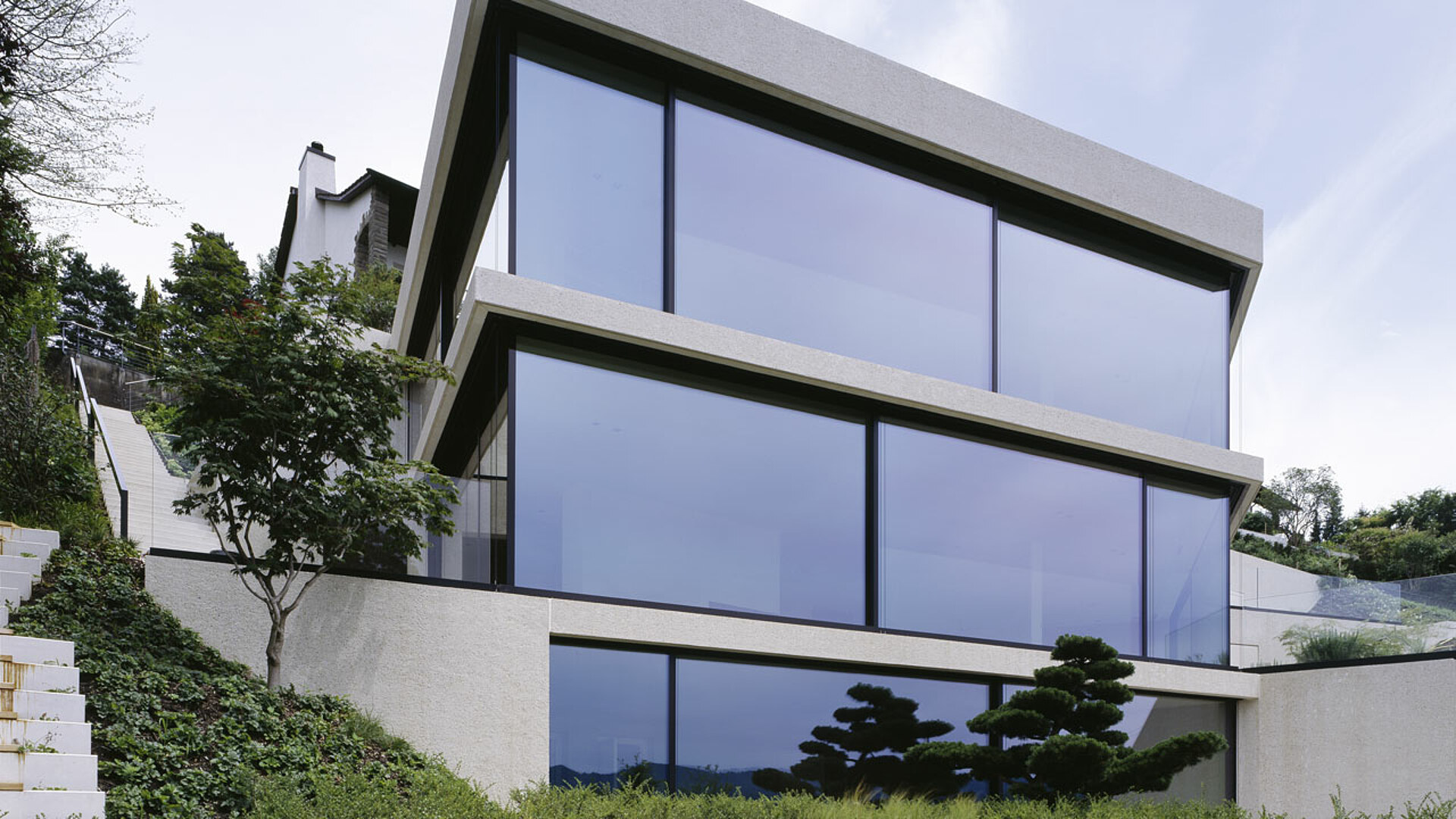
Glass facade houses in Switzerland are a striking representation of how modern architecture blends innovation, aesthetics, and environmental harmony. Known for its panoramic mountain views, pristine lakes, and open landscapes, Switzerland is an ideal setting for this architectural style. These homes use large expanses of glass to merge indoor and outdoor spaces, allowing natural light to flood interiors and providing unobstructed views of the surrounding scenery.
Introduction to Glass Facade Architecture in Switzerland
Over the past decade, glass facade architecture in Switzerland has evolved beyond just being a luxury design choice. It has become a functional, sustainable, and stylish approach to housing that meets both environmental goals and lifestyle needs. From minimalist villas overlooking Lake Geneva to alpine retreats in the Swiss Alps, glass facades have proven to be adaptable to different terrains and climates.
Architectural Features of Glass Facade Houses
Integration with Nature
One of the most distinctive features of glass facade houses in Switzerland is their seamless integration with natural surroundings. Floor-to-ceiling windows and glass walls create the feeling of living within the landscape itself. This architectural approach enhances mental well-being by maintaining a visual connection with nature, even during winter months when staying indoors is more common.
In addition, Swiss architects often orient these homes to take full advantage of sunlight exposure, optimizing warmth in colder months and maximizing scenic views year-round.
Use of Advanced Glazing Technology
To meet Switzerland’s high energy efficiency standards, modern glass facades incorporate advanced glazing solutions. This includes triple-glazed panels, low-emissivity coatings, and thermal break frames. These innovations ensure that while the homes have expansive windows, they still maintain excellent insulation and minimal energy loss, even in alpine conditions.
Benefits of Glass Facade Houses in Switzerland
Enhanced Natural Lighting and Energy Efficiency
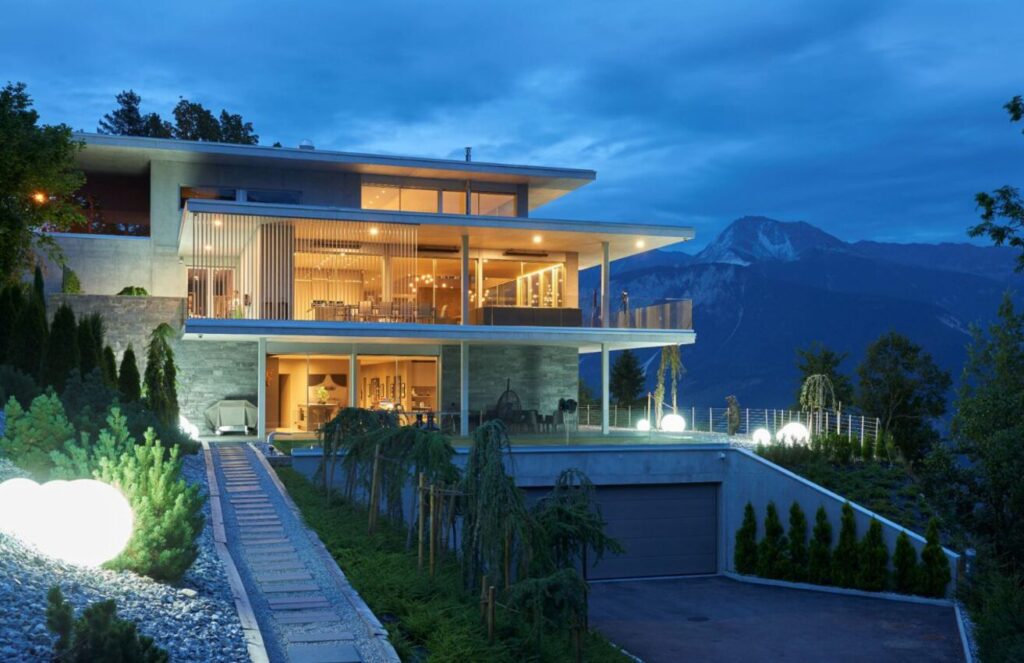
Glass facade houses allow homeowners to significantly reduce their reliance on artificial lighting during the day. In Switzerland, where winters can be long and overcast, maximizing natural daylight helps improve mood and productivity. The use of high-performance glass also means homes stay warm without excessive heating costs.
Aesthetic Appeal and Modern Luxury
There’s no denying the visual impact of a well-designed glass facade home. The transparency, clean lines, and reflective qualities of glass create an elegant and timeless appearance. In luxury Swiss neighborhoods, such architecture often serves as a symbol of contemporary sophistication.
Health and Well-Being Benefits
Exposure to natural light regulates circadian rhythms, improves sleep quality, and boosts mental health. For many Swiss residents, glass facade homes create a healthier living environment by merging wellness-oriented design with architectural beauty.
Real-World Examples of Glass Facade Houses in Switzerland
1. Lake Geneva Glass Villa
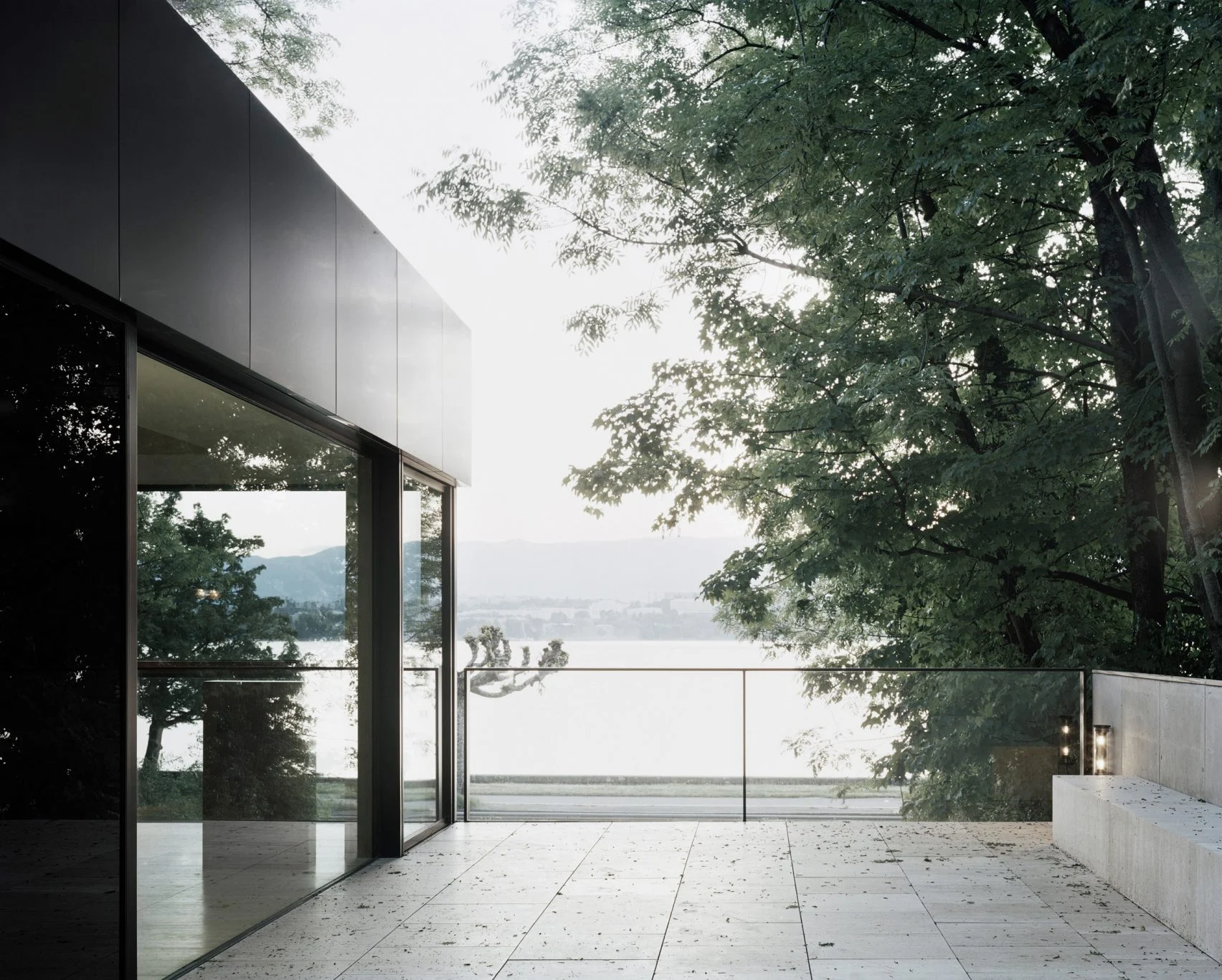
Situated on the shores of Lake Geneva, this glass villa offers panoramic views of the lake and distant French Alps. The design incorporates full-height glass panels on three sides of the main living space, giving the impression of floating over the water. The architects used UV-filtering glass to protect interiors from fading and to maintain a comfortable indoor temperature throughout the year.
The home’s open-plan interior blends modern minimalism with natural materials such as oak flooring and stone accents, ensuring the design complements its surroundings without overpowering them.
2. Alpine Glass Chalet in Zermatt
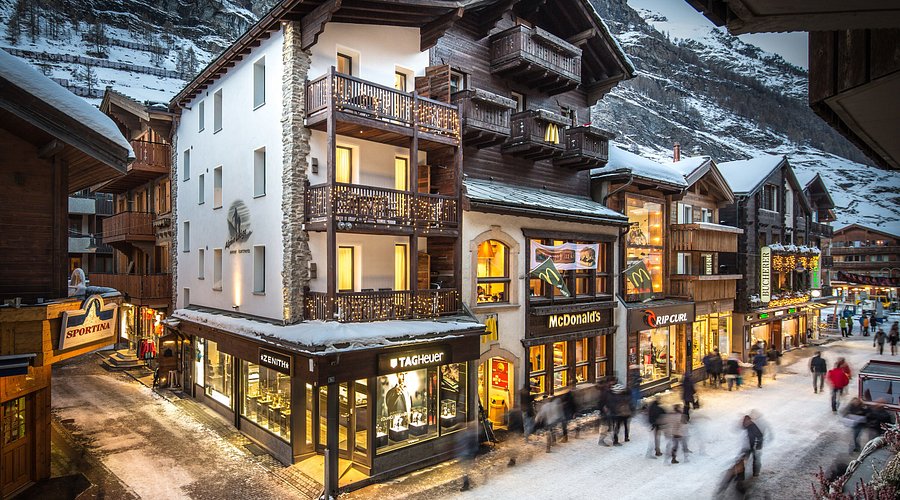
In Zermatt, an innovative alpine chalet combines traditional Swiss wooden roofing with an ultra-modern glass facade. This allows for uninterrupted views of the Matterhorn while providing warmth through triple-glazing and advanced thermal insulation. The house is equipped with automated blinds that adjust according to sunlight intensity, ensuring year-round comfort.
This blend of rustic charm and contemporary engineering is a hallmark of Swiss architectural innovation, demonstrating how glass facades can adapt to extreme weather while maintaining style.
3. Zurich Hills Modern Glass Residence
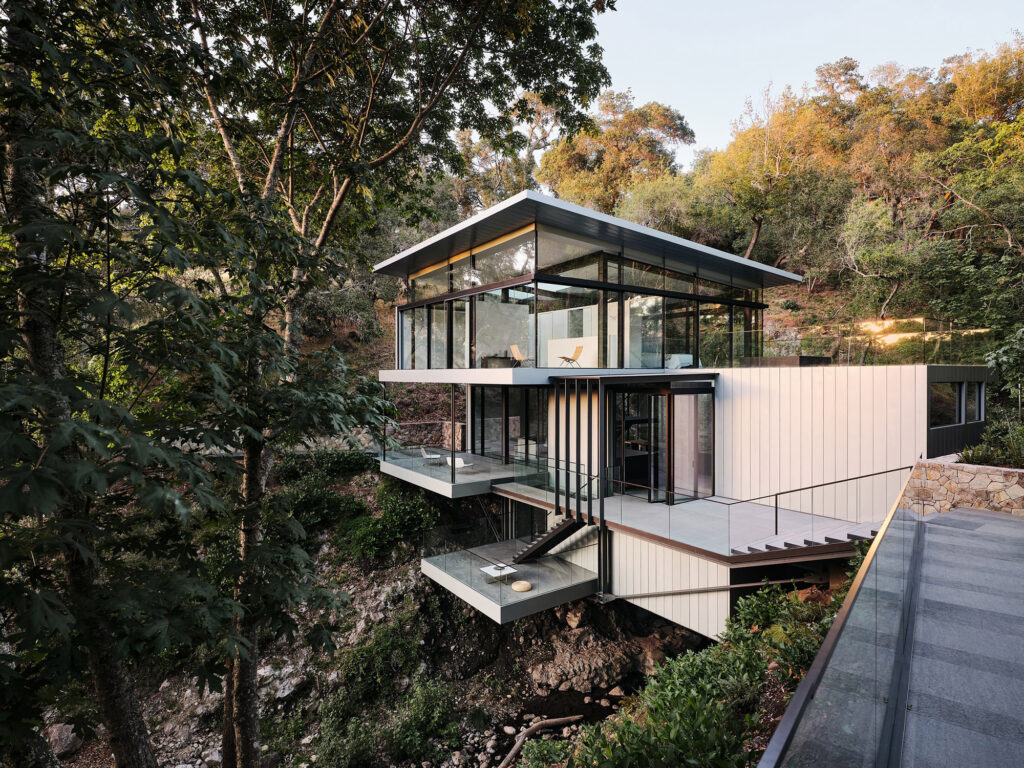
Overlooking Zurich’s urban skyline, this hillside residence uses an L-shaped glass facade to create a unique indoor-outdoor flow. The home’s elevated position provides privacy despite the transparent walls. Smart home technology controls the glass opacity, allowing residents to adjust transparency for different times of day or privacy needs.
By integrating smart glass and renewable energy systems, this residence sets an example for sustainable luxury housing in Switzerland.
Use Cases and Practical Applications
Glass facade houses are more than just an aesthetic statement — they offer practical solutions to common architectural challenges.
-
Maximizing Scenic Views: In regions like the Swiss Alps or lakefront areas, homeowners often want to preserve sightlines to nature. Glass facades provide this without obstruction.
-
Creating Energy-Efficient Homes: Advanced glazing reduces energy costs while maintaining comfort, even in sub-zero temperatures.
-
Urban Privacy with Scenic Access: In cities like Zurich or Geneva, strategic placement of glass panels allows residents to enjoy views without compromising privacy.
-
Blending Old and New Design: Glass facades can be integrated into traditional Swiss chalets or modern villas, providing a unique balance of heritage and innovation.
Advantages of Using Modern Glass Technology
Modern glass technologies have transformed how these homes perform:
-
Smart Glass: Allows instant adjustments to opacity for privacy and light control.
-
Low-E Glass: Reduces heat loss while maximizing natural light.
-
Self-Cleaning Coatings: Ideal for high-altitude homes where manual cleaning is difficult.
These innovations mean that glass facade houses are not just beautiful but also highly functional, sustainable, and low-maintenance.
Frequently Asked Questions
Q1: Are glass facade houses energy-efficient in Switzerland’s cold climate?
Yes. Modern glass facade houses in Switzerland use triple-glazing, thermal breaks, and low-emissivity coatings, ensuring excellent insulation and minimal energy loss even in harsh alpine winters.
Q2: How do glass facades handle privacy concerns?
Many Swiss glass facade homes incorporate smart glass, automated blinds, and strategic landscaping to balance transparency with privacy.
Q3: Do glass facade houses require high maintenance?
Not necessarily. With self-cleaning glass coatings and durable frame materials, maintenance is relatively minimal. Seasonal inspections are recommended to ensure seals remain intact for energy efficiency.