Eco-Friendly House Exterior in Germany: Sustainable Design, Materials, and Real-World Examples
Eco-Friendly House Exterior Germany. Germany is at the forefront of sustainable architecture, with eco-friendly house exteriors becoming a key focus for homeowners seeking both beauty and environmental responsibility. From natural insulation materials to solar-integrated facades, the concept of eco-conscious exteriors is reshaping residential neighborhoods across the country. This guide explores innovative materials, technologies, real-world examples, benefits, and practical uses to help you understand the future of green housing in Germany.
Understanding Eco-Friendly House Exteriors in Germany
Germany’s building sector is strongly influenced by the Energieeinsparverordnung (EnEV) and Gebäudeenergiegesetz (GEG), which prioritize energy efficiency and sustainable construction. An eco-friendly house exterior refers to the outer shell of the building that minimizes environmental impact, improves insulation, reduces energy consumption, and uses sustainable or recyclable materials.
Unlike standard exteriors, eco-friendly designs consider the full life cycle of materials—from sourcing to disposal—and often integrate renewable energy technologies such as solar panels or green walls.
Key Features of a Sustainable Exterior Design
An eco-friendly house exterior in Germany is not just about the aesthetic—it is a carefully engineered system that combines durability, insulation performance, and natural resource efficiency.
-
Natural Materials: Using locally sourced timber, clay, hemp, or recycled brick to reduce carbon footprint.
-
High-Performance Insulation: Incorporating wood fiber boards, cork, or cellulose for thermal efficiency.
-
Passive Solar Design: Positioning and facade treatments that maximize daylight while minimizing heat loss.
-
Water-Resistant and Breathable Finishes: Allowing the building to “breathe” while protecting it from harsh weather.
Popular Sustainable Materials Used in Germany
Wood Cladding
Timber is one of Germany’s most preferred eco-friendly materials due to its renewable nature and excellent insulation capabilities. Certified woods from FSC sources ensure sustainability and durability.
Hempcrete
Made from hemp shiv and lime, hempcrete is a lightweight, insulating material with excellent thermal regulation and moisture control.
Clay Plaster and Facades
Clay has been used in German architecture for centuries. Its natural properties help regulate humidity, making it ideal for maintaining indoor comfort.
Real-World Example Products and Designs
1. FSC-Certified Timber Cladding in Bavaria
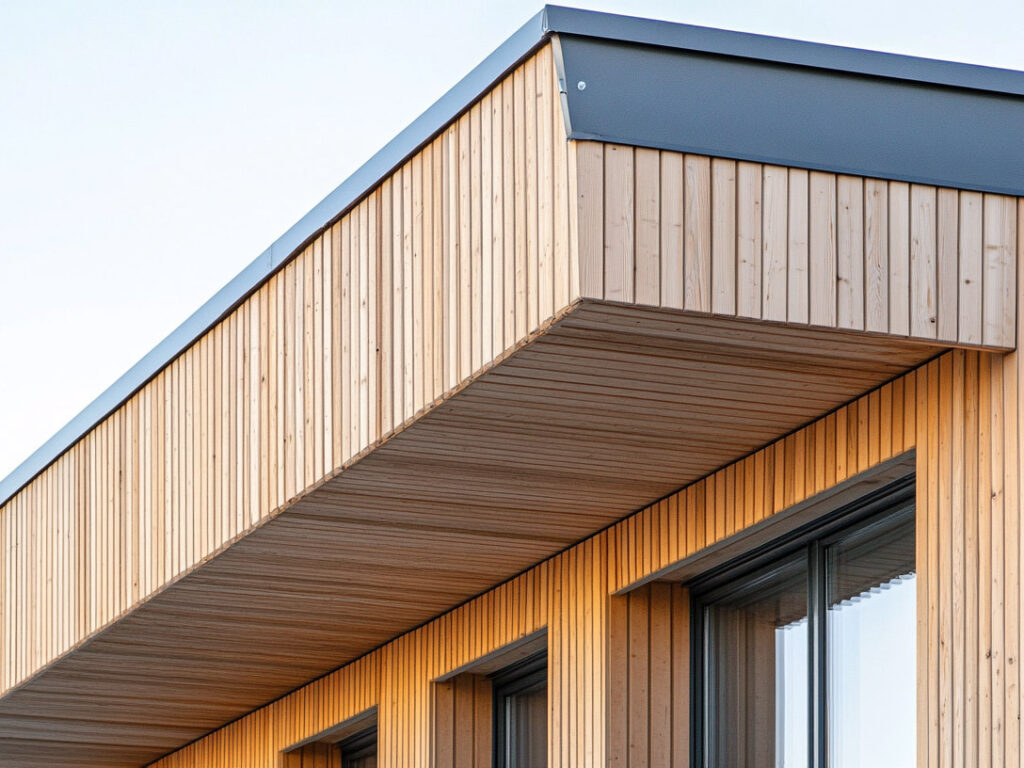
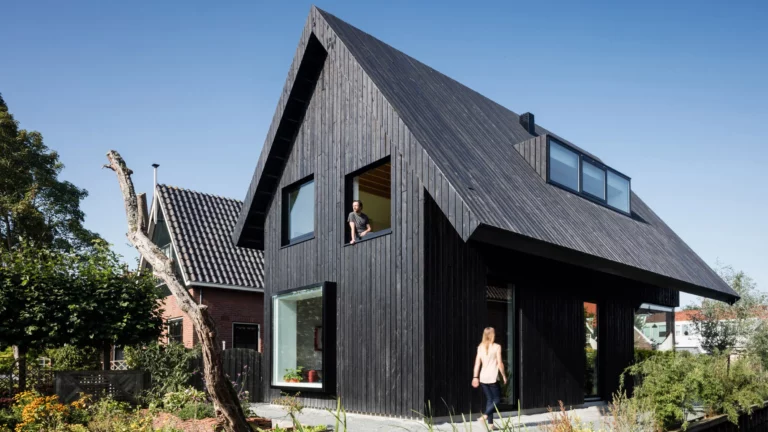
A residential project in southern Germany showcases vertical timber cladding made from Douglas fir, harvested sustainably and treated naturally to withstand local weather. The facade not only blends into the alpine surroundings but also provides exceptional thermal performance. Its natural silvering over time adds a rustic yet modern charm.
2. Solar-Integrated Facade in Berlin
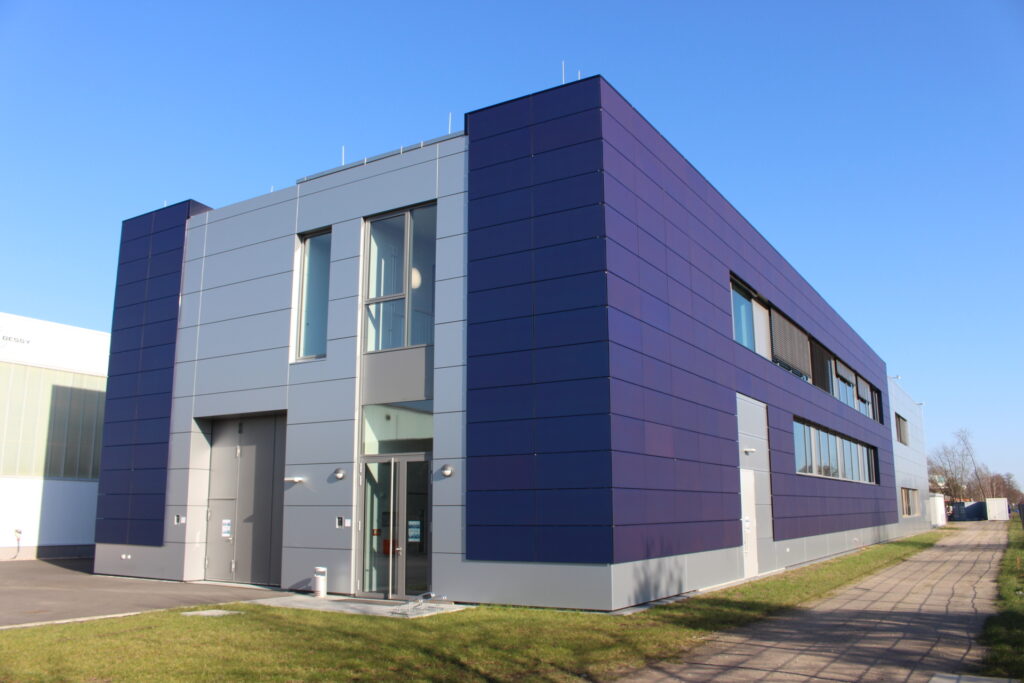
An innovative home in Berlin uses photovoltaic panels directly on its exterior walls. These panels generate electricity while acting as a protective layer, reducing heating costs in winter. The sleek black finish gives the building a contemporary look while supporting Germany’s renewable energy goals.
3. Living Green Facade in Hamburg
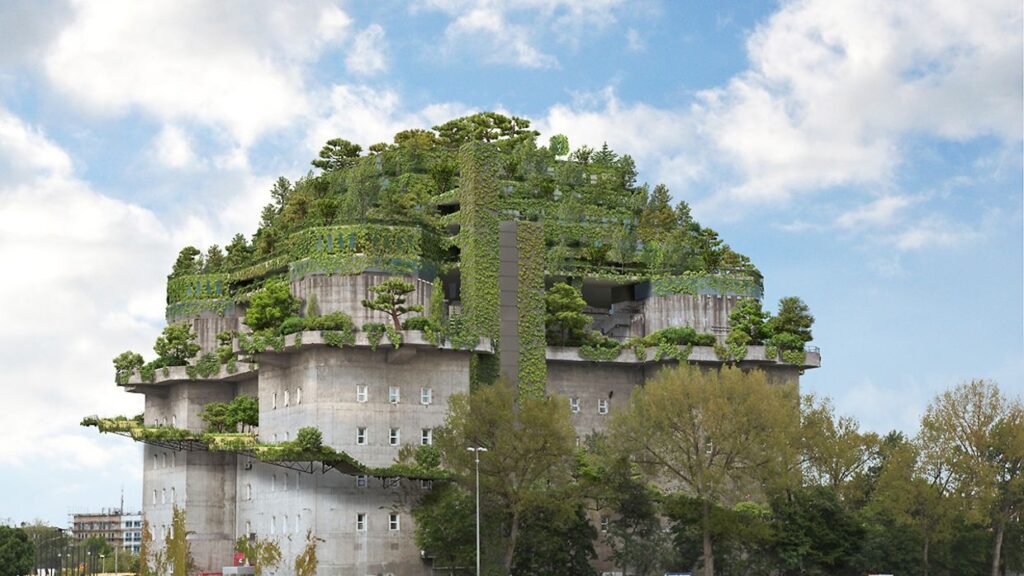
A Hamburg townhouse integrates a vertical garden across its south-facing exterior wall. This green wall improves air quality, provides natural insulation, and reduces heat absorption during the summer months. Plants were chosen to withstand seasonal variations, requiring minimal maintenance with a built-in rainwater irrigation system.
4. IClay and Straw Plaster in Freiburg
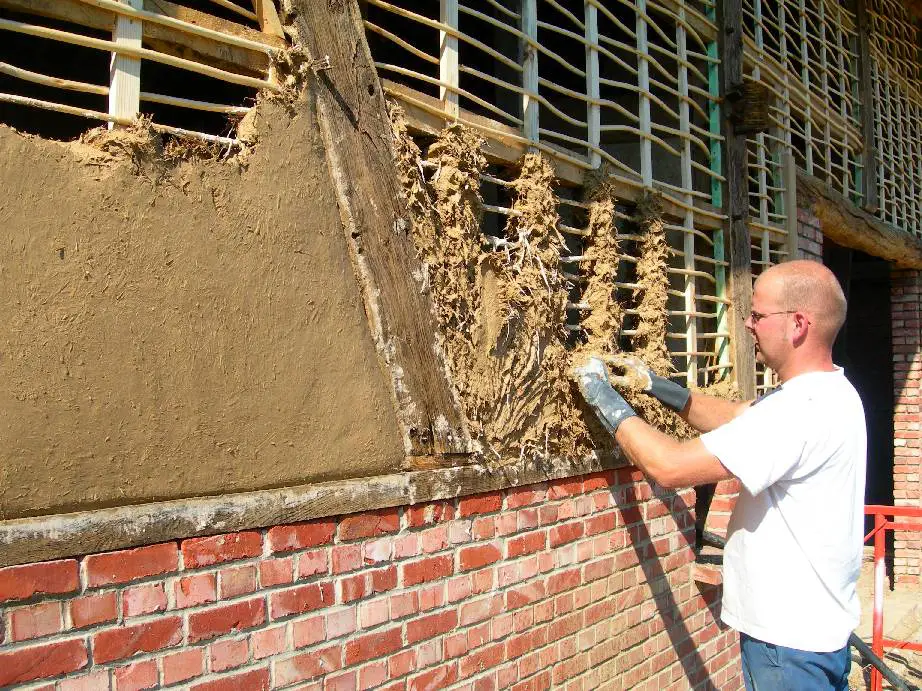
In Freiburg’s eco-district Vauban, several homes use clay plaster mixed with straw fibers for their exteriors. This natural composition improves breathability, regulates moisture, and supports the area’s reputation for sustainable living.
Benefits of Eco-Friendly House Exteriors in Germany
Reduced Energy Consumption
A well-insulated, eco-friendly exterior can significantly reduce heating costs—critical in Germany’s colder months. Passive solar design and high-performance materials minimize energy waste.
Lower Environmental Impact
By choosing renewable, recycled, or locally sourced materials, homeowners reduce their carbon footprint and promote sustainable forestry and farming practices.
Healthier Living Environment
Natural materials such as clay, hemp, and untreated wood reduce exposure to harmful VOCs (volatile organic compounds), contributing to healthier indoor air.
Long-Term Cost Savings
While eco-friendly exteriors may have a higher upfront cost, they save money over the decades by reducing maintenance needs and energy bills.
Practical Use Cases
Urban Homes Seeking Energy Efficiency
In cities like Munich and Frankfurt, homeowners use insulated timber cladding combined with solar roofs to reduce dependency on the grid.
Rural Residences Blending with Nature
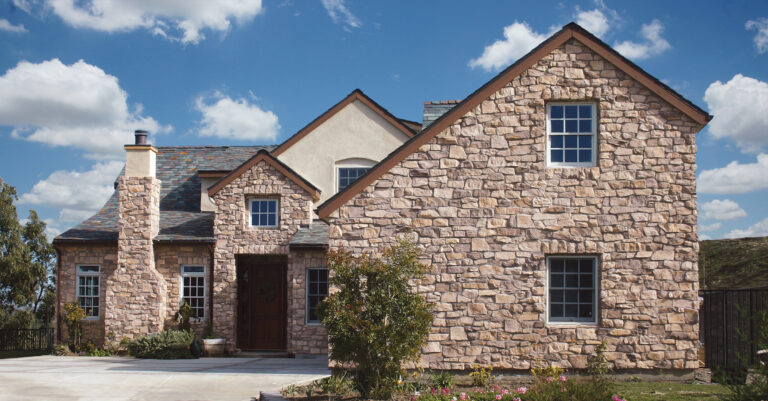
Countryside homes often incorporate natural stone and wood exteriors that harmonize with their environment while providing strong thermal insulation.
Heritage Building Renovations
Germany’s strict building preservation laws allow eco-friendly materials like clay plaster or limewash to restore historical buildings while enhancing energy efficiency.
Common Problems Solved by Eco-Friendly House Exteriors
-
High Heating Costs: Sustainable exteriors drastically improve insulation, cutting down heating bills.
-
Moisture Damage: Breathable finishes like clay prevent condensation buildup and mold.
-
Urban Heat Island Effect: Green facades reduce heat absorption, making urban environments cooler.
-
Carbon Emissions: Renewable materials and solar integration reduce environmental impact over the building’s lifetime.
FAQ
Q1: Are eco-friendly exteriors more expensive than conventional ones in Germany?
Yes, the initial investment can be higher, but due to reduced energy bills, low maintenance, and long lifespan, the overall cost over decades is often lower.
Q2: Can eco-friendly exterior materials handle Germany’s winter climate?
Absolutely. Materials like FSC-certified timber, hempcrete, and clay plaster are designed to withstand freezing temperatures while maintaining insulation.
Q3: Do I need special permits for eco-friendly exterior renovations in Germany?
For most modern buildings, standard renovation permits apply. However, for heritage properties, you must comply with local preservation rules, which often still allow sustainable materials.