Coastal Exterior Style in Australia: A Complete Guide to Timeless Seaside Design
The coastal exterior style in Australia is more than just a design trend — it’s a reflection of the country’s deep connection to the ocean, beaches, and relaxed outdoor living. With over 25,000 km of coastline, Australians have developed unique architectural approaches to embrace sea breezes, panoramic views, and natural light while protecting homes from harsh coastal weather.
Understanding Coastal Exterior Style in Australia
Typically, this style combines natural materials like weatherboard, stone, and timber with light, breezy color palettes — think whites, sandy beiges, sea blues, and muted greys. The architecture often prioritizes large verandas, open decks, and wide windows to maximize ventilation and capture stunning water views.
Design elements are functional as well as aesthetic, ensuring durability against salt-laden winds, high humidity, and strong sun exposure. This practical-meets-beautiful balance is what makes coastal exterior style a favourite among Australian homeowners.
Key Characteristics of Australian Coastal Exteriors
Australian coastal homes often embrace the following signature traits:
-
Light and Neutral Colors: White, beige, and pastel tones to reflect light and create a calm, airy atmosphere.
-
Natural Timber Accents: For warmth, texture, and a connection to the surrounding landscape.
-
Weatherboard Cladding: A hallmark of the style, offering durability and classic charm.
-
Large, Open Windows: To let in sea breezes and maximize natural light.
-
Outdoor Living Spaces: Verandas, decks, and pergolas for year-round relaxation.
These elements come together to create homes that are inviting, functional, and deeply connected to their environment.
Real-World Examples of Coastal Exterior Style in Australia
1. Hamptons-Inspired Coastal Home in Sydney’s Northern Beaches
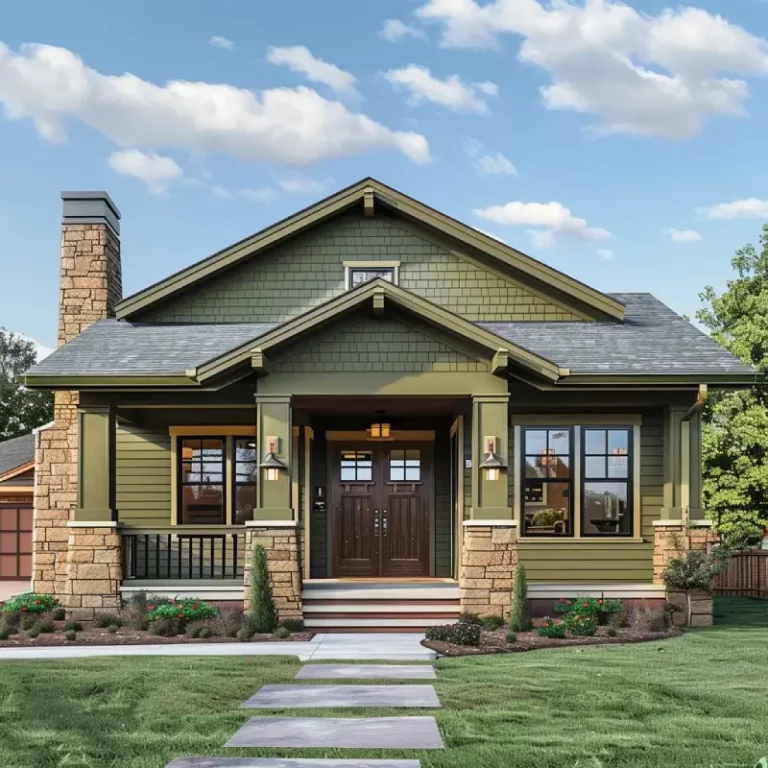
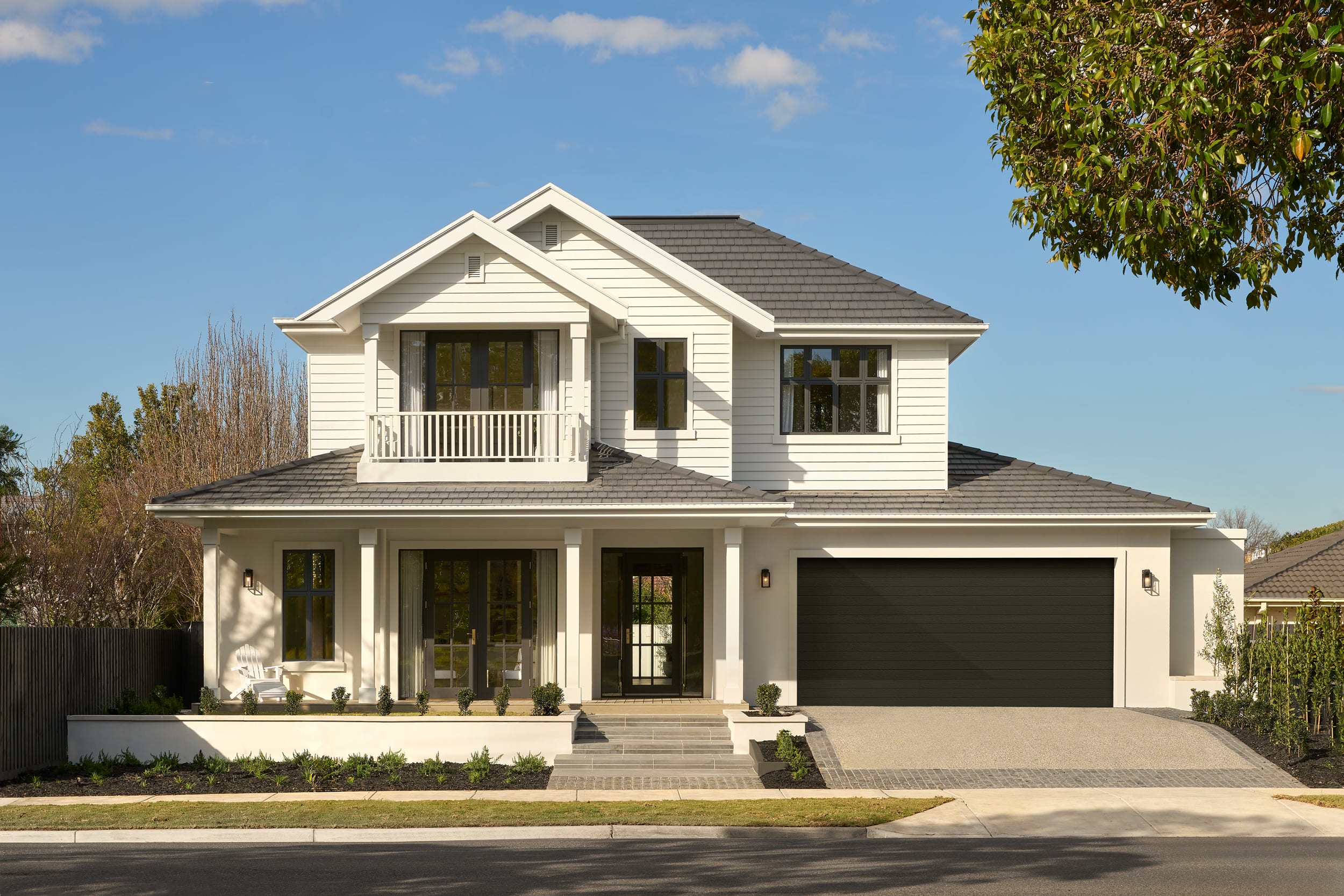
This property blends Australian coastal living with Hamptons elegance. Its white weatherboard cladding contrasts with a slate-grey roof, while the wraparound veranda provides a seamless indoor-outdoor flow. The high-pitched gables and plantation shutters add both ventilation and classic charm.
The design is perfect for withstanding salty air and strong winds, thanks to marine-grade paint and corrosion-resistant fixtures. This home illustrates how coastal style can merge timeless elegance with coastal resilience.
2. Modern Coastal Retreat in Byron Bay
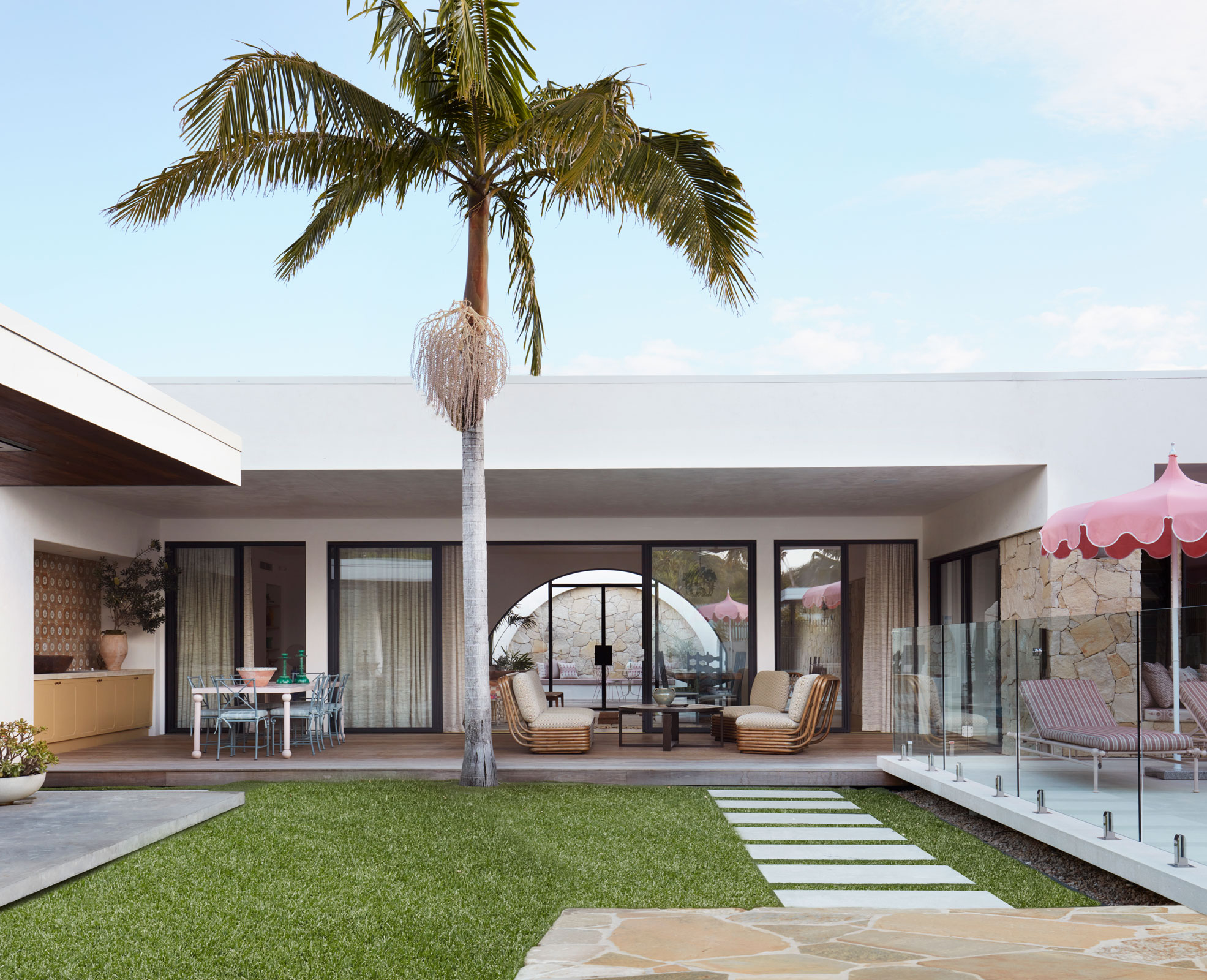
A modern twist on the traditional beach house, this home features minimalist lines, expansive glass sliding doors, and sustainably sourced hardwood cladding. The pale grey palette reflects the surrounding dunes, and the open decking space connects directly to a native landscaped garden.
By integrating passive cooling strategies like louvered windows and deep eaves, the home remains comfortable even during humid summer months — reducing reliance on air conditioning.
3. Tropical Coastal Villa in Queensland
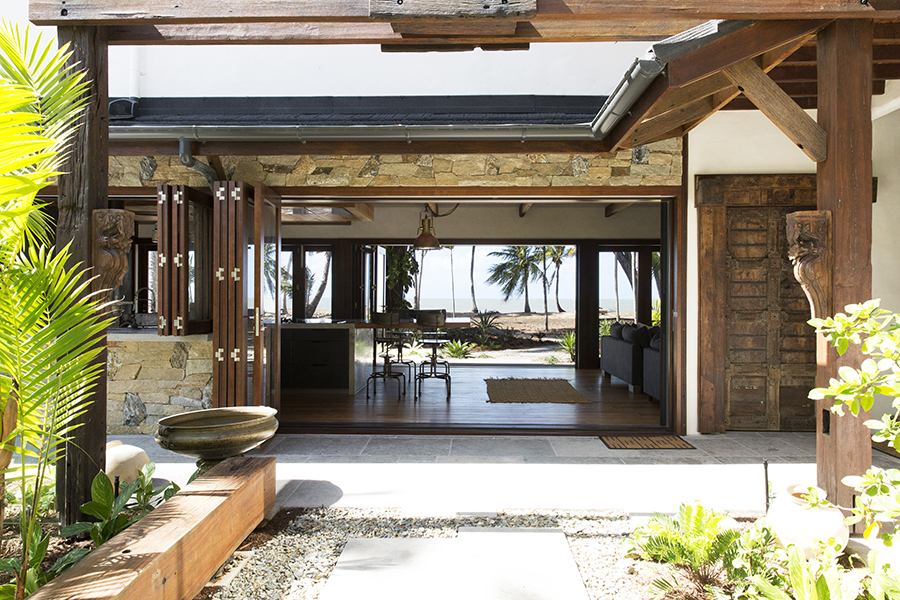
This design embraces a lush, tropical coastal vibe with a combination of white render, bamboo screens, and wide overhanging roofs. Ceiling fans, high ceilings, and strategically placed louvres enhance cross-ventilation.
The villa’s exterior materials — including termite-resistant timber and salt-resistant paints — ensure longevity in a humid, marine climate. This home demonstrates how coastal style adapts beautifully to warmer regions in Australia.
Benefits of Coastal Exterior Style in Australia
The coastal style is not only about aesthetics but also offers practical advantages:
-
Climate-Responsive Design: Wide eaves, louvres, and ventilation systems keep interiors cool and reduce energy costs.
-
Low Maintenance: Weatherboard, treated timber, and corrosion-resistant metals withstand coastal conditions.
-
Connection to Nature: Maximized views, outdoor spaces, and natural materials foster a strong link to the environment.
-
Year-Round Comfort: Designs cater to both summer breezes and winter sun, ensuring comfortable living spaces.
-
Timeless Appeal: Neutral tones and classic forms ensure the home’s design remains attractive for decades.
Use Cases and Real-Life Applications
Use Case 1: Vacation Homes by the Sea
Coastal exterior style is perfect for holiday properties, ensuring guests enjoy a serene and visually stunning environment while benefiting from durable, low-maintenance finishes.
Use Case 2: Suburban Homes Seeking a Breezy Look
Even in inland suburbs, this style can bring a relaxed, beach-inspired feel, making homes feel more open and inviting.
Use Case 3: Sustainable Coastal Living
By using locally sourced timber, passive cooling, and solar panels, coastal-style homes can be both eco-friendly and cost-efficient.
Frequently Asked Questions
1. Is the coastal exterior style only suitable for homes near the ocean?
Not necessarily. While it originated in seaside regions, its light colors, natural materials, and open designs work well in any location seeking a relaxed, airy atmosphere.
2. What materials work best for Australian coastal homes?
Weatherboard, treated timber, marine-grade metals, stone, and high-quality exterior paints designed for salty air environments.
3. How can I maintain a coastal-style home?
Regularly wash salt residue off exterior surfaces, reapply protective coatings when needed, and ensure ventilation systems remain functional.