Best Exterior Siding Materials for Homes in USA – Complete Guide
Best Exterior Siding Materials for Homes in USA. Choosing the right exterior siding material for a home in the USA is a crucial decision that impacts not just the look of a house but also its durability, maintenance requirements, and energy efficiency. The United States has a wide range of climates—from humid coastal areas to deserts, snowy mountains, and tornado-prone plains—making siding choice an even more strategic consideration.
Introduction to Exterior Siding Materials in the USA
In recent years, homeowners have been leaning towards materials that combine long-lasting performance, low maintenance, and an appealing finish. The market offers a variety of options, each with distinct characteristics that cater to different styles, budgets, and environmental conditions.
Key Factors to Consider When Choosing Exterior Siding
When selecting the best exterior siding material, homeowners must weigh factors beyond simple aesthetics. Several practical aspects influence the decision-making process:
Durability and Weather Resistance
Siding is the home’s first line of defense against harsh elements. In hurricane-prone states like Florida, materials must resist high winds and heavy rain, while in northern states, freeze-thaw resistance is essential.
Maintenance Requirements
Some materials require regular painting, staining, or sealing, while others offer decades of minimal upkeep. Low-maintenance options often save time and long-term costs.
Energy Efficiency
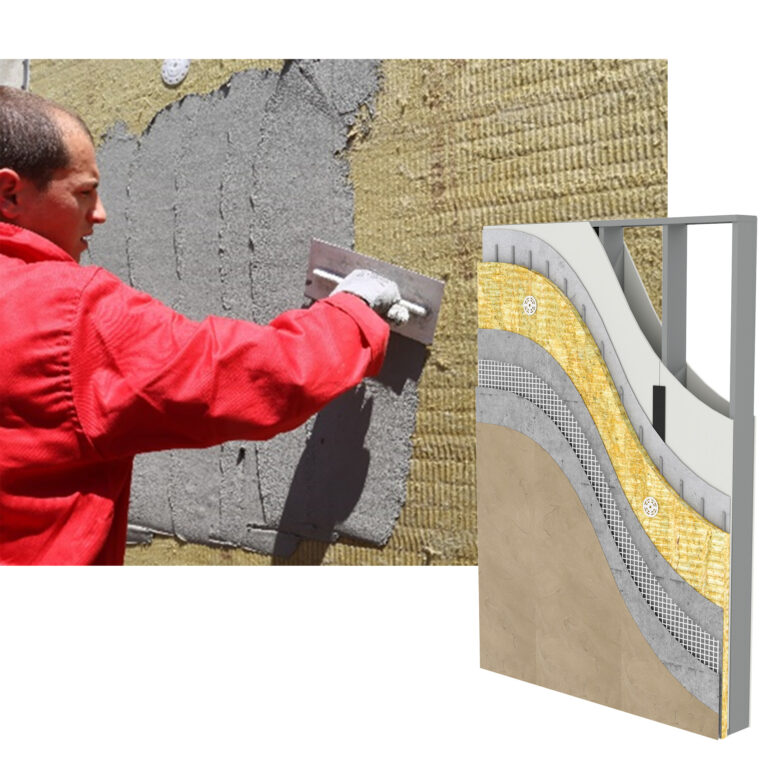
Insulated siding can significantly improve a home’s thermal performance, reducing energy bills. This is particularly important in areas with extreme heat or cold.
Aesthetic Versatility
The siding should complement the home’s architecture—whether it’s a classic Colonial, modern farmhouse, or coastal cottage. Certain materials provide more color and texture options.
Top Exterior Siding Materials for Homes in the USA
1. Vinyl Siding
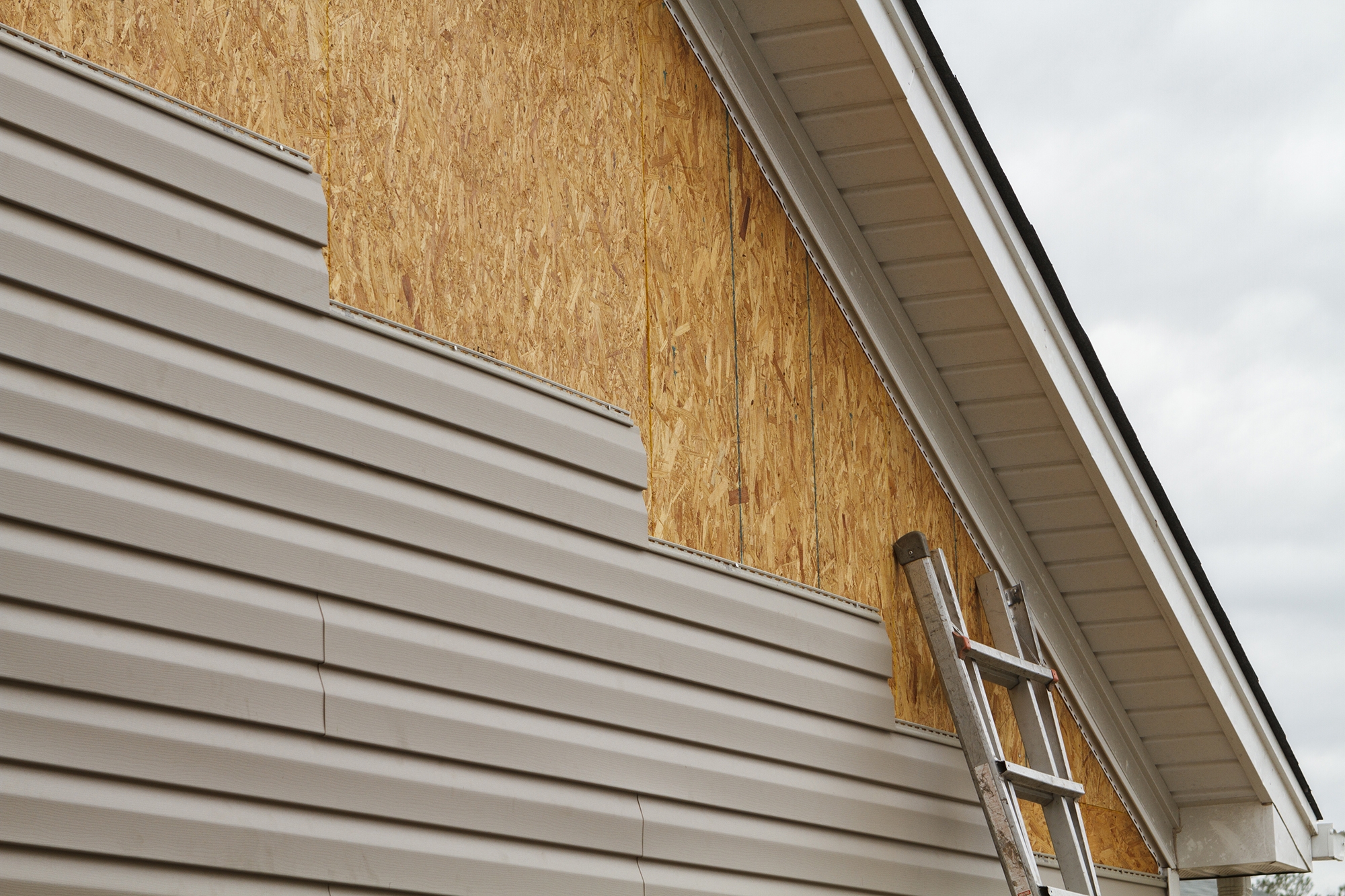
Vinyl siding is one of the most popular choices across the USA thanks to its affordability, durability, and variety of styles. It is made from PVC (polyvinyl chloride) resin and comes in a wide range of colors and textures, including wood-look finishes.
Vinyl siding performs well in most climates, resists pests, and does not require painting. Higher-grade vinyl products can last decades with minimal fading, making them ideal for homeowners who want a low-maintenance yet stylish exterior.
2. Fiber Cement Siding
Fiber cement siding, such as the well-known James Hardie brand, is a composite of cement, sand, and cellulose fibers. It is exceptionally strong, fire-resistant, and impervious to termites and rot.
Its versatility allows it to mimic wood, stucco, or masonry, while offering superior weather resistance. It’s a top choice in coastal areas because it resists salt spray damage, and in wildfire-prone regions due to its non-combustible nature.
3. Engineered Wood Siding
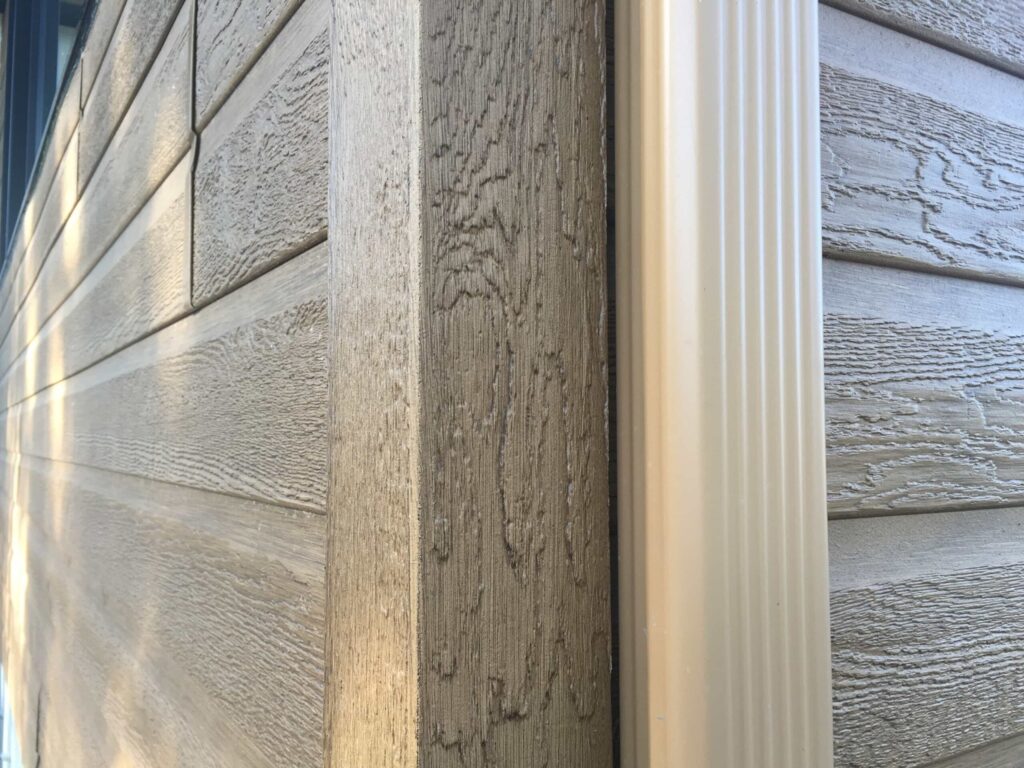
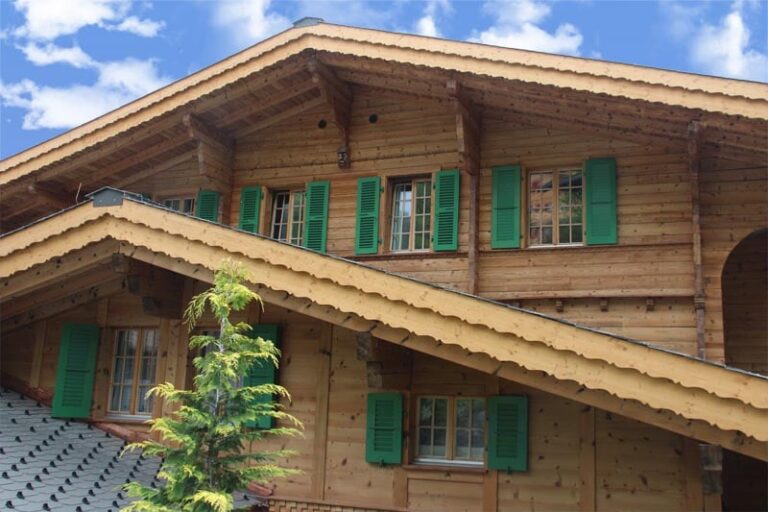
Engineered wood siding offers the warm, natural look of traditional wood but with enhanced durability. It is manufactured from wood strands or fibers bonded with resins and treated for moisture resistance.
This siding is lighter and easier to install than fiber cement while still delivering excellent impact resistance. It’s ideal for regions that experience varied climates, as it resists warping and cracking better than solid wood.
4. Brick Veneer
Brick veneer siding provides timeless curb appeal and outstanding durability. While not as thick as structural brick, it still offers great insulation, fire resistance, and minimal maintenance needs.
It is particularly effective in colder climates for retaining heat and resisting frost damage. Brick veneer can also handle decades of exposure without significant wear, making it a premium, long-term siding investment.
5. Natural Stone and Stone Veneer
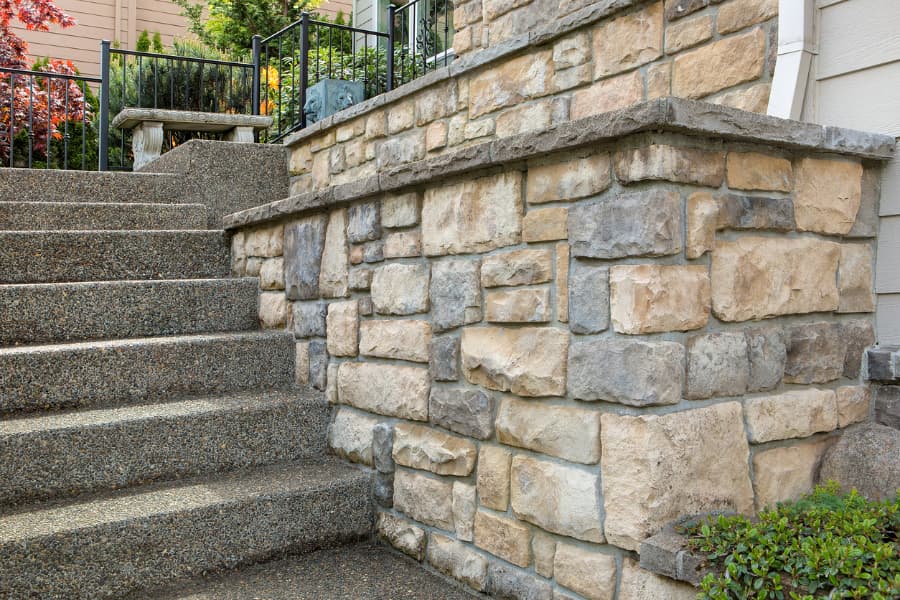
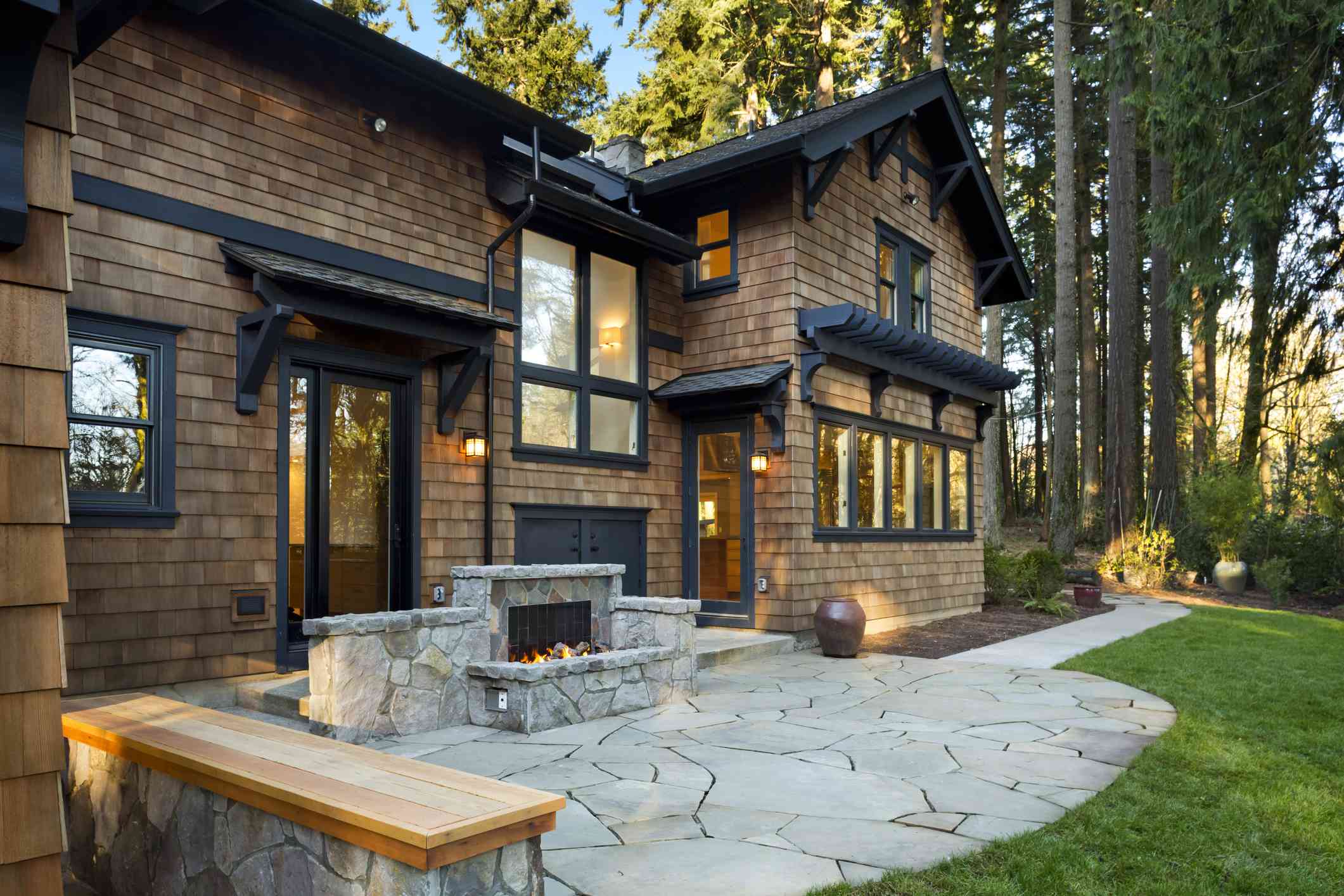
Stone siding, whether full-thickness or manufactured veneer, adds unmatched elegance and resilience to a home. Best Exterior Siding Materials for Homes in USA. Granite, limestone, and slate are common choices for natural stone, while stone veneer offers similar aesthetics at a fraction of the weight and cost.
Stone siding excels in durability, resists fading, and withstands severe weather. It’s often used as an accent combined with other materials to create a striking exterior design.
Benefits of Using Modern Exterior Siding Technology
Enhanced Energy Efficiency
Modern siding materials often come with built-in insulation layers, reducing heat transfer and lowering energy costs. Insulated vinyl and fiber cement options can significantly improve home comfort.
Advanced Weather Resistance
Technological advancements have made siding more resistant to UV rays, moisture, and extreme temperatures. Coatings and finishes now prolong the life of siding by decades.
Low Maintenance and Long Lifespan
Compared to older materials, modern siding options require far less upkeep. Many products are designed to be fade-resistant, insect-proof, and crack-resistant, minimizing repairs.
Improved Home Value and Curb Appeal
High-quality siding enhances a home’s appearance and resale value. Buyers often prioritize homes with updated, durable, and aesthetically pleasing exteriors.
Real-World Examples of Top Exterior Siding Materials
James Hardie Fiber Cement Siding
James Hardie is the leading brand for fiber cement siding in the USA. Known for its HardiePlank lap siding, it provides outstanding fire resistance, durability, and color retention with ColorPlus® Technology.
Its adaptability to different climates through the HardieZone® system makes it a trusted choice for homeowners seeking a long-lasting investment.
LP SmartSide Engineered Wood Siding
LP SmartSide offers engineered wood siding that delivers the beauty of natural wood with enhanced strength. It is treated with proprietary SmartGuard® technology, protecting against fungal decay and termites.
Its lightweight design makes installation easier, while its impact resistance makes it ideal for hail-prone regions.
CertainTeed Monogram Vinyl Siding
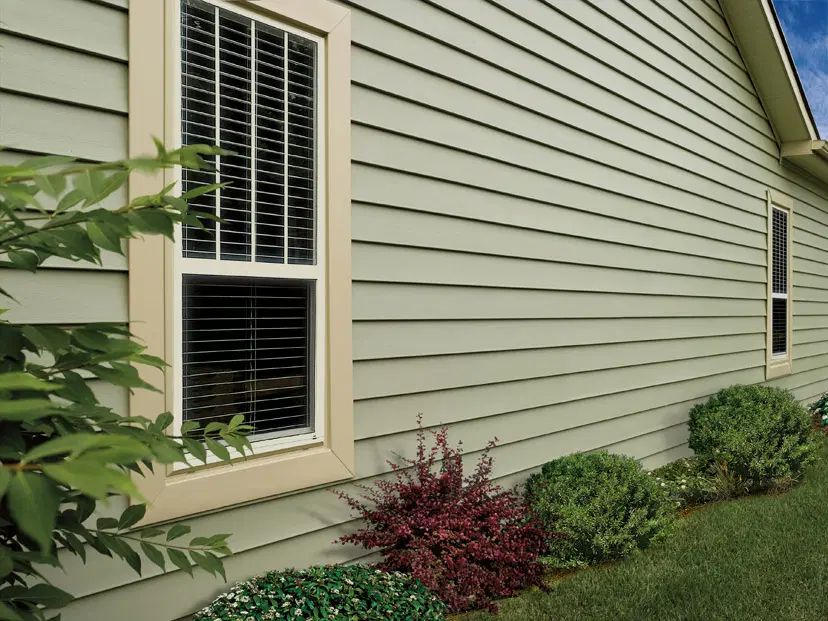
CertainTeed’s Monogram line of vinyl siding provides a wide range of colors and realistic woodgrain textures. It is designed for coastal weather resistance and long-term color stability.
The siding panels are reinforced for rigidity, ensuring a high-end appearance and resistance to warping.
Use Cases and Practical Applications
Withstanding Harsh Coastal Conditions
Homes along the Atlantic and Pacific coasts face high humidity, salt spray, and strong winds. Fiber cement and premium vinyl siding options resist these conditions without rapid deterioration.
Maintaining Style in Cold Climates
In states like Minnesota and Vermont, siding must endure freezing temperatures and ice buildup. Engineered wood and brick veneer perform exceptionally in these environments, retaining their structural integrity.
Reducing Maintenance in Busy Households
For homeowners with little time for upkeep, vinyl or stone veneer offers a nearly maintenance-free solution. Their resistance to fading and pests ensures a lasting, fresh look without frequent repairs.
Frequently Asked Questions
Q1: Which siding material lasts the longest?
Stone and brick siding can last over 50 years with minimal maintenance, while high-quality fiber cement can last 30–50 years.
Q2: What is the most cost-effective siding option in the USA?
Vinyl siding remains one of the most budget-friendly options, offering a good balance of durability, style, and low maintenance.
Q3: Can siding improve a home’s insulation?
Yes. Insulated siding products, such as foam-backed vinyl and certain fiber cement boards, help reduce heat transfer and improve energy efficiency.