Aluminum Facade Panels in Germany: Durability, Design, and Modern Applications
Aluminum facade panels have become a defining element in Germany’s modern architecture, combining sleek aesthetics with exceptional performance. These panels are widely used for commercial buildings, residential complexes, and institutional structures due to their ability to provide both functional and visual benefits.
Introduction to Aluminum Facade Panels in Germany
In Germany, where architectural standards are high and sustainability is a priority, aluminum facades offer designers and builders the flexibility to meet aesthetic goals while adhering to strict environmental regulations. With a variety of finishes, colors, and textures, they allow architects to express creativity without compromising on durability or energy efficiency.
Understanding Aluminum Facade Panels
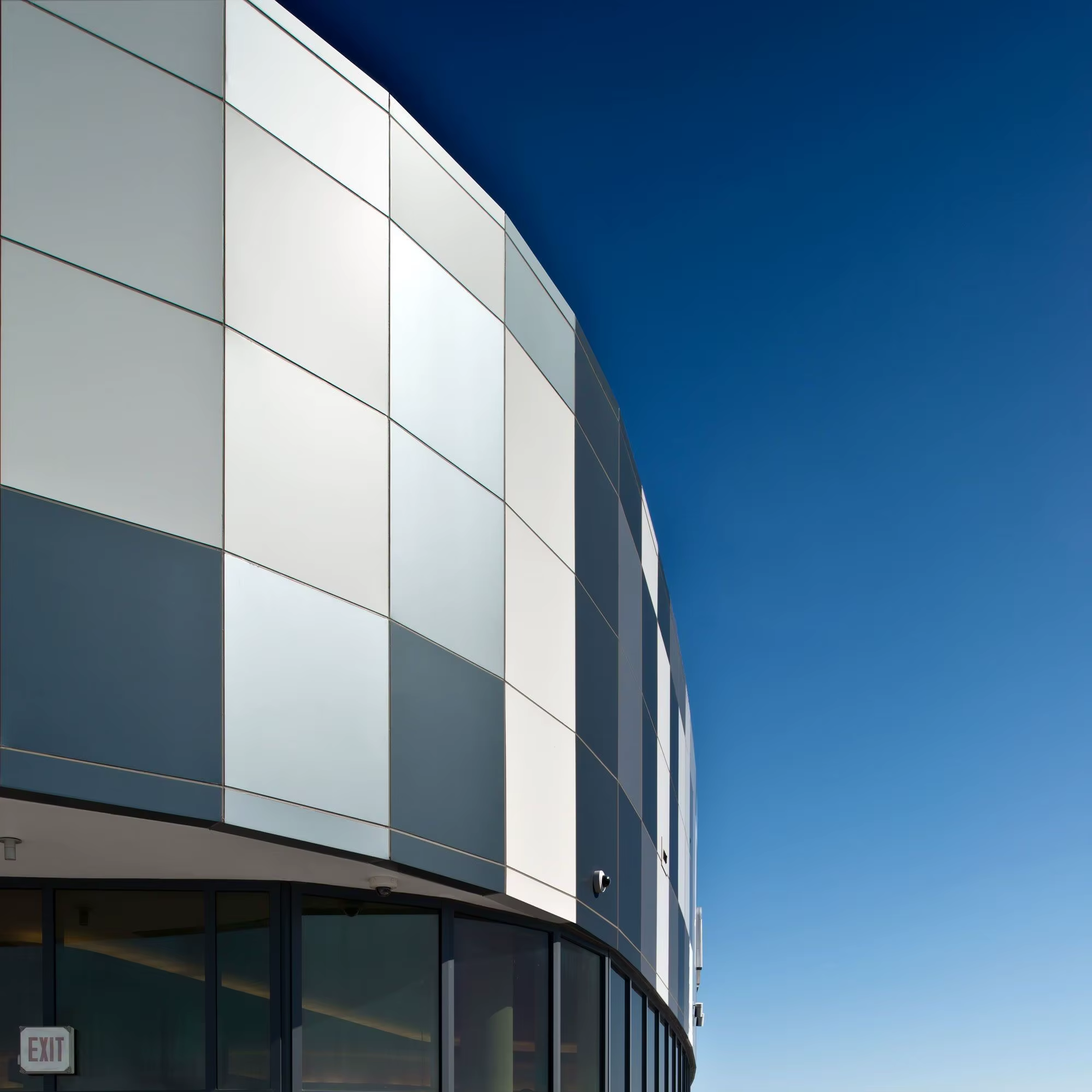
Aluminum facade panels are exterior cladding elements made from lightweight yet strong aluminum sheets, often combined with a protective coating or finish. They are designed to cover the external surfaces of buildings, providing weather resistance, thermal performance, and an appealing look.
The manufacturing process typically involves cutting, bending, and coating the panels to meet the specific requirements of a project. In Germany, these panels are often integrated into ventilated facade systems, allowing air circulation behind the cladding for improved insulation and moisture control.
Key Benefits of Aluminum Facade Panels
Modern Architectural Appeal
One of the main reasons aluminum facade panels are popular in Germany is their ability to deliver a modern, clean, and professional appearance. Architects appreciate their versatility in shape, size, and finish, enabling the creation of unique designs.
Exceptional Durability and Weather Resistance
Germany’s varied climate—ranging from cold winters to humid summers—requires building materials that can withstand temperature changes and environmental stress. Aluminum panels resist corrosion, fading, and warping, making them a long-term solution for exterior cladding.
Benefits of Using Advanced Technology in Aluminum Facade Panels
Modern aluminum facade panels in Germany benefit from advanced coating technologies, precision fabrication, and innovative mounting systems. Powder coating, for instance, provides UV protection and color stability for decades.
Another technological advancement is the integration of composite materials—aluminum combined with polyethylene or mineral cores—to enhance thermal insulation without increasing weight. CNC machining and laser cutting allow for intricate panel shapes and perforations, enabling dynamic and functional designs that were difficult to achieve with older manufacturing methods.
Real-World Examples of Aluminum Facade Panels in Germany
1. BMW Welt, Munich
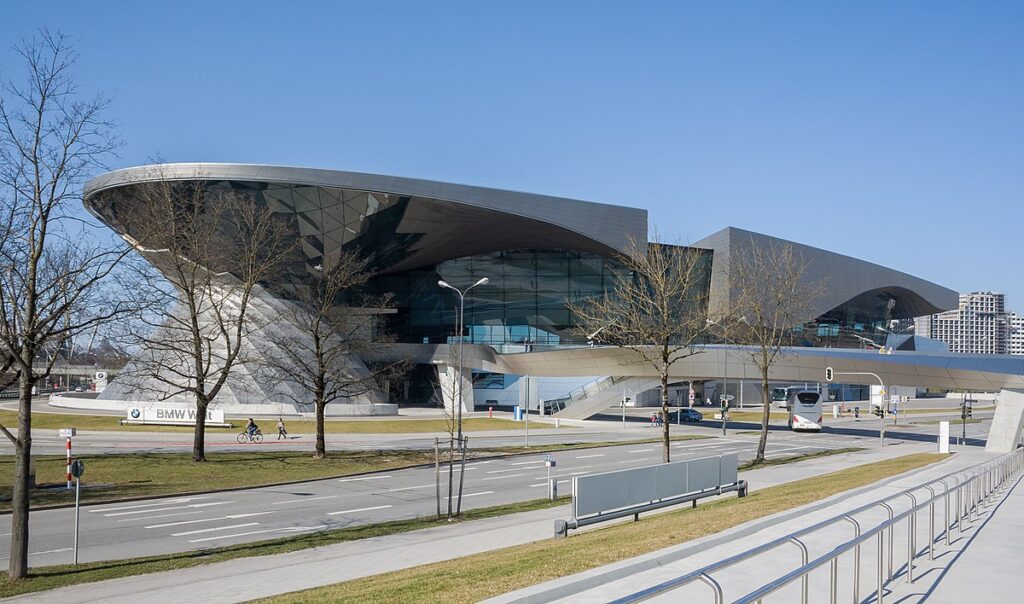
BMW Welt is one of Munich’s most iconic architectural landmarks, and aluminum facade panels play a major role in its futuristic look. The panels provide a metallic sheen that changes with light, enhancing the building’s visual impact. They also protect the structure from urban pollution and weather damage.
The design team selected aluminum due to its lightweight nature, which reduced the load on the building’s frame, while still providing an impressive surface finish that aligns with BMW’s brand identity.
2. Elbphilharmonie, Hamburg
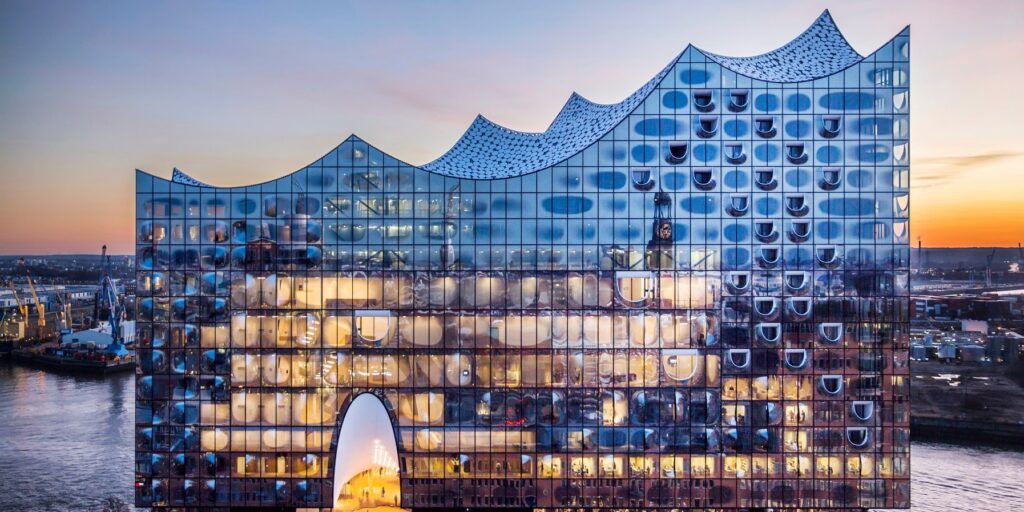
While primarily recognized for its glass structure, the Elbphilharmonie uses aluminum facade components in key areas to complement its aesthetic. These panels were chosen for their corrosion resistance, essential in Hamburg’s maritime climate.
The aluminum surfaces were custom-coated to blend harmoniously with glass and brick, showcasing how aluminum can integrate into mixed-material facades without losing its character.
3. Allianz Arena Service Buildings, Munich
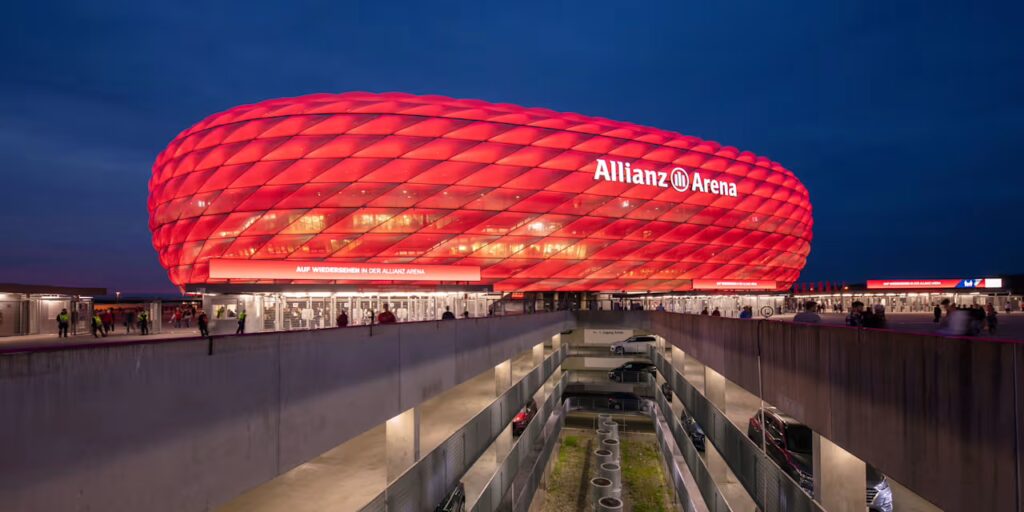
Adjacent to the famous Allianz Arena, several service and administrative buildings utilize aluminum facade panels for a cohesive and modern appearance. The panels’ reflective finish enhances the stadium’s dynamic lighting displays while ensuring low maintenance requirements.
4. Stuttgart Trade Fair Hall
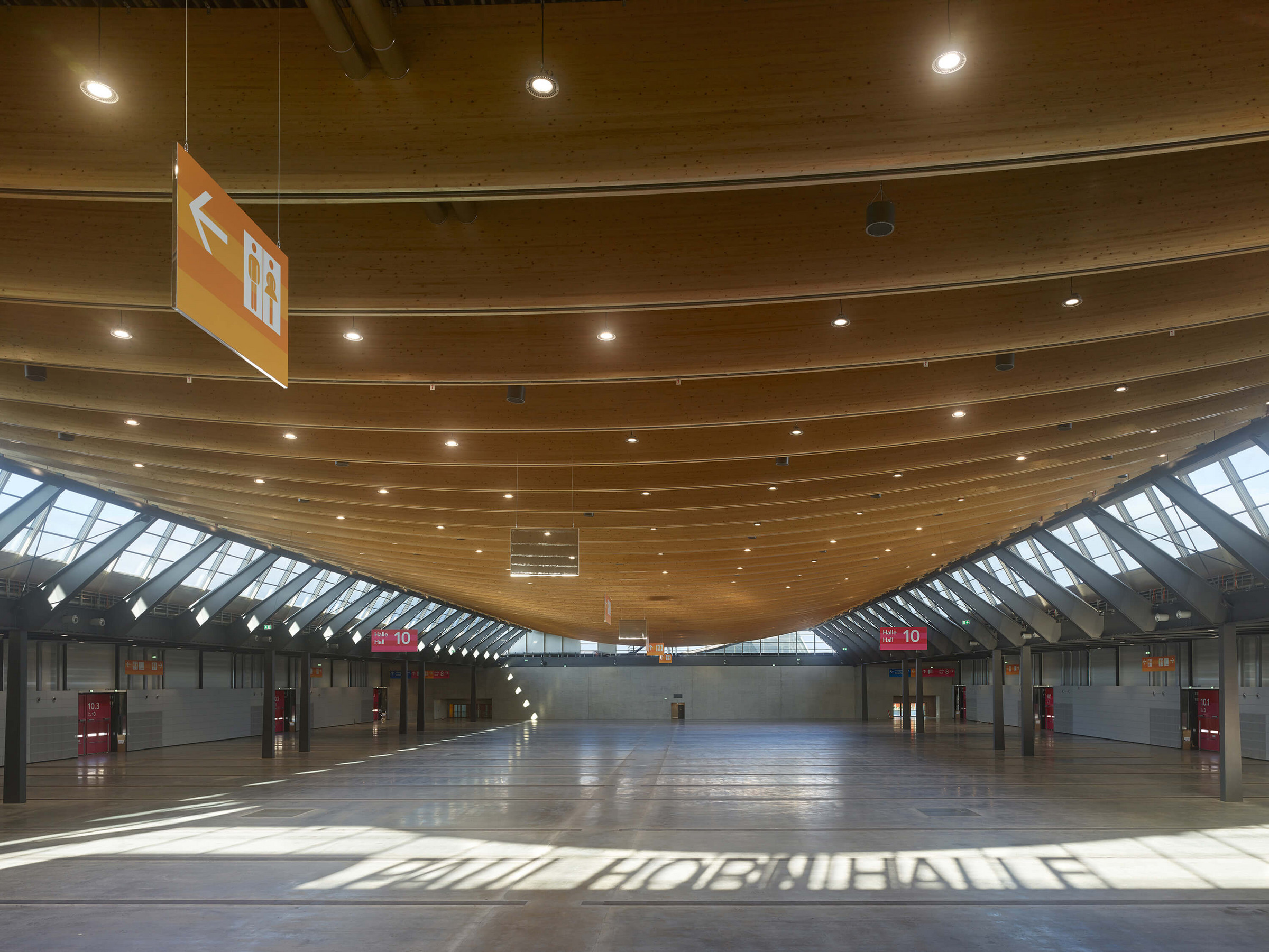
The Stuttgart Trade Fair Hall uses aluminum panels in combination with glass curtain walls to create a bright, open, and contemporary feel. The aluminum provides a visual contrast to the transparent glass and supports the building’s energy efficiency strategy through thermal insulation layers.
Here, aluminum’s recyclability also plays a role, aligning with Germany’s focus on sustainable building practices.
Practical Advantages in Real-Life Use
Aluminum facade panels solve multiple architectural challenges in Germany:
-
Weather Protection: They act as a shield against rain, snow, and wind.
-
Thermal Efficiency: When combined with insulation layers, they improve building energy performance.
-
Low Maintenance: Unlike wood or untreated metal, aluminum requires minimal upkeep.
-
Design Freedom: From perforated patterns to brushed finishes, aluminum offers creative options.
They are particularly useful in urban environments where pollution and weathering can quickly degrade other materials. The panels’ resistance to discoloration and corrosion ensures that buildings maintain their fresh appearance for years.
Use Cases for Aluminum Facade Panels
Educational and Public Institutions
Universities and government buildings often adopt aluminum facades for their low maintenance needs and long lifespan, reducing operational costs.
Renovations and Retrofits
When updating older buildings, aluminum facade panels can modernize appearances without replacing the entire structure.
FAQs
Q1: Are aluminum facade panels suitable for Germany’s cold winters?
Yes, aluminum panels are designed to perform well in cold climates. When combined with insulation layers, they help retain heat within the building while resisting damage from frost and snow.
Q2: How long do aluminum facade panels last in Germany’s climate?
>>>>>>>>>>>High-quality aluminum panels with protective coatings can last over 40 years with minimal maintenance, even in regions with high humidity or salt exposure.
Q3: Can aluminum facade panels be recycled in Germany?
Absolutely. Aluminum is one of the most recyclable construction materials, and in Germany, most panels are recycled at the end of their lifecycle to produce new products.