Best Exterior Insulation Systems in Canada – Complete Guide
Canada’s climate presents unique challenges for building insulation. Harsh winters with sub-zero temperatures, humid summers, and seasonal freeze-thaw cycles can all impact the comfort and efficiency of a building.
Introduction to Exterior Insulation Systems in Canada
Unlike traditional interior insulation, exterior systems create a continuous layer that reduces thermal bridging—the points where heat easily escapes through studs, floor joists, or other structural elements. In Canada, this approach is increasingly popular for both new constructions and retrofit projects, as it meets high energy performance standards while enhancing building durability.
What Are Exterior Insulation Systems?
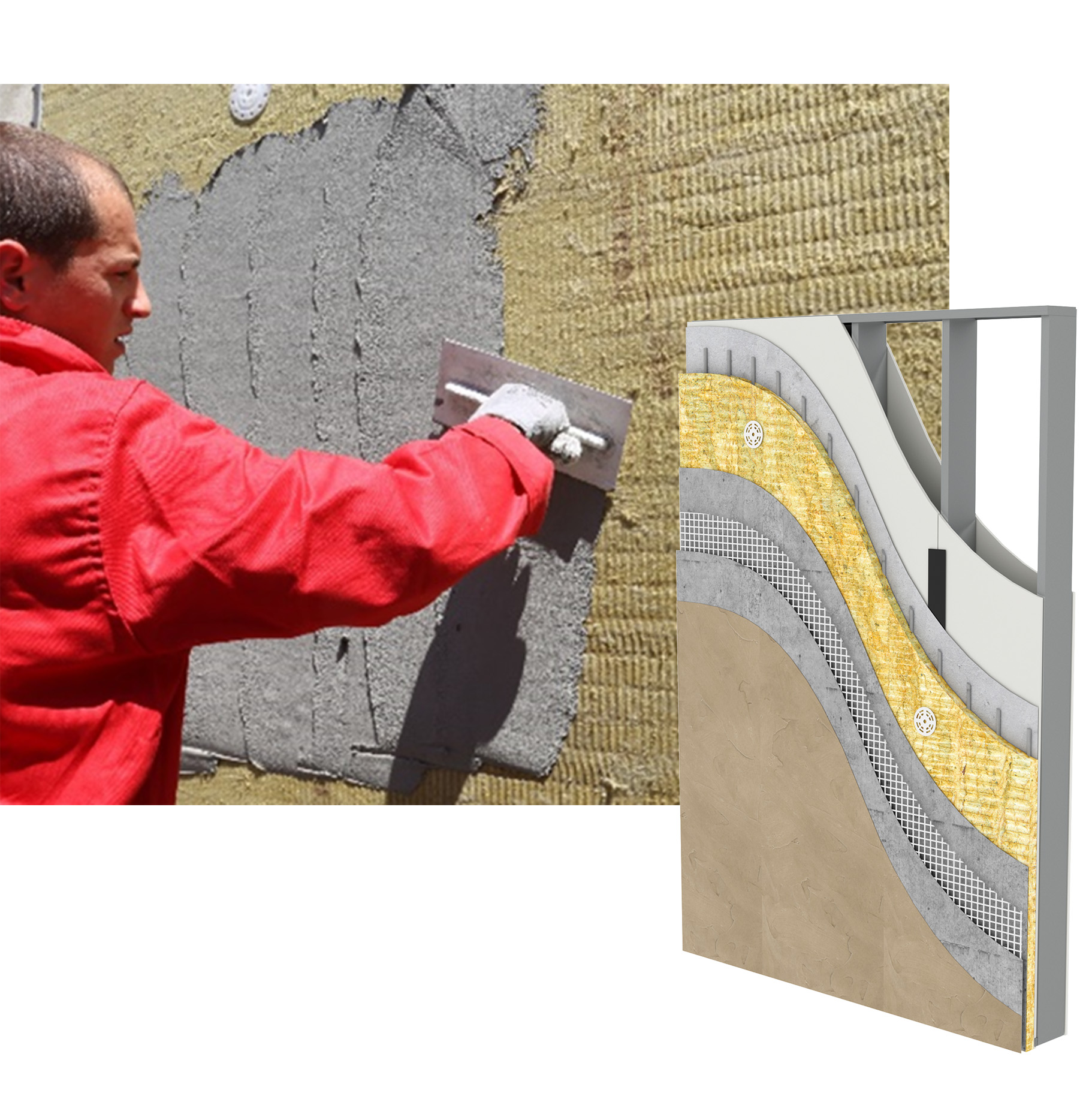
Exterior insulation systems, often referred to as EIFS (Exterior Insulation and Finish Systems) or continuous insulation systems, are multi-layer solutions installed on the outside of a building’s structural wall.
Core Components
These systems typically include an insulation board, adhesive or mechanical fasteners, a reinforcing mesh, a base coat, and a protective finish coat. The combination creates a weather-resistant, energy-efficient, and aesthetically versatile cladding.
Types of Insulation Materials
Common insulation materials used in Canadian exterior systems include expanded polystyrene (EPS), mineral wool, and polyisocyanurate. Each offers varying levels of thermal performance, moisture resistance, and fire safety.
Advantages of Using Exterior Insulation in Canada
Superior Thermal Performance
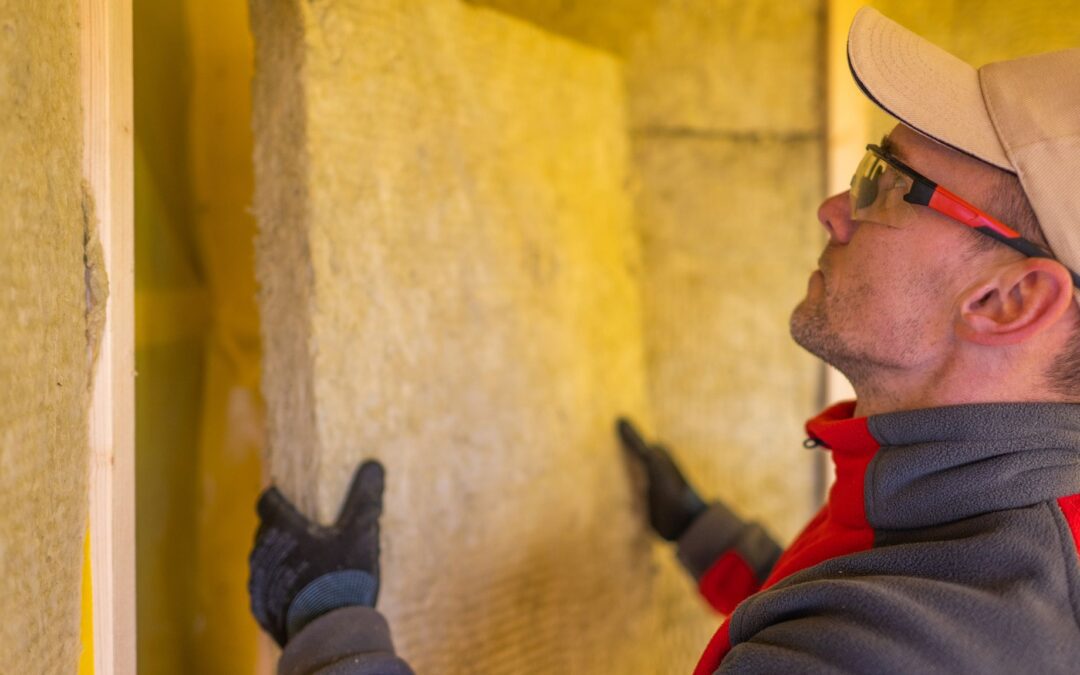
By wrapping the building envelope in insulation, heat loss through framing is drastically reduced. This ensures a more consistent indoor temperature throughout the year, even in extreme Canadian winters.
Moisture and Condensation Control
Exterior insulation reduces the risk of condensation forming inside walls, which can lead to mould and rot. Vapour-permeable yet water-resistant systems allow moisture to escape while blocking rain and snow.
Increased Building Lifespan
Protecting the structural wall from temperature fluctuations and weather exposure helps extend its lifespan. The insulation acts as a protective shield, reducing freeze-thaw damage.
Top Exterior Insulation Systems in Canada
1. StoTherm® ci System
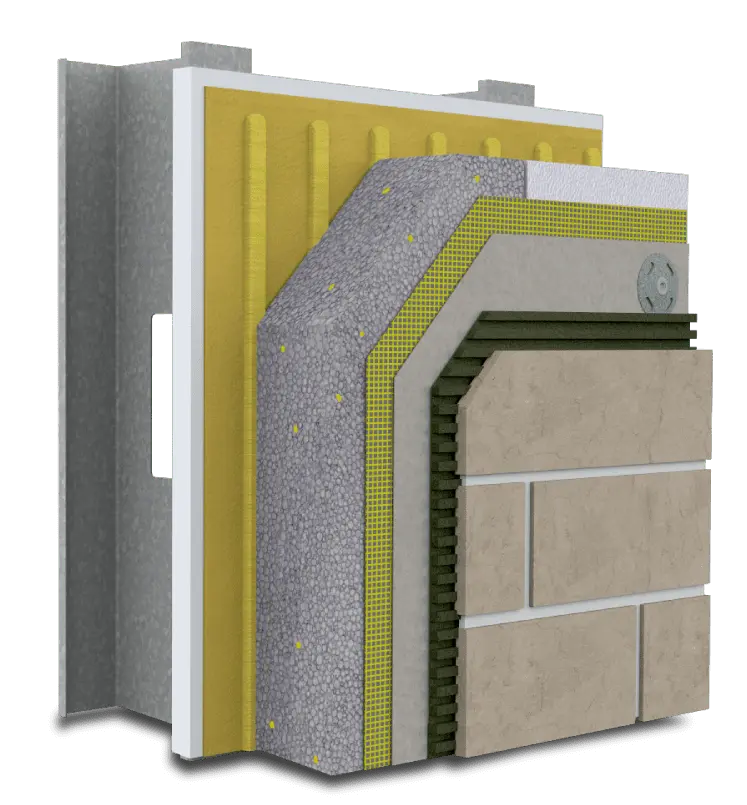
The StoTherm® ci System combines continuous insulation with an advanced protective finish. Using expanded polystyrene or mineral wool insulation boards, this system offers high R-value performance and is designed for energy efficiency compliance in Canadian climates.
It incorporates a weather barrier, reinforcing mesh, and durable finish coats in various textures and colours. Its flexibility makes it suitable for both residential and commercial applications.
2. Dryvit Outsulation® System
Dryvit’s Outsulation® is one of the most recognised EIFS solutions in North America. It provides continuous insulation and moisture control in a single integrated system.
In Canada, this system is valued for its ability to maintain high thermal efficiency in extreme winter conditions while offering versatile design options.
3. ROCKWOOL Comfortboard™ 80
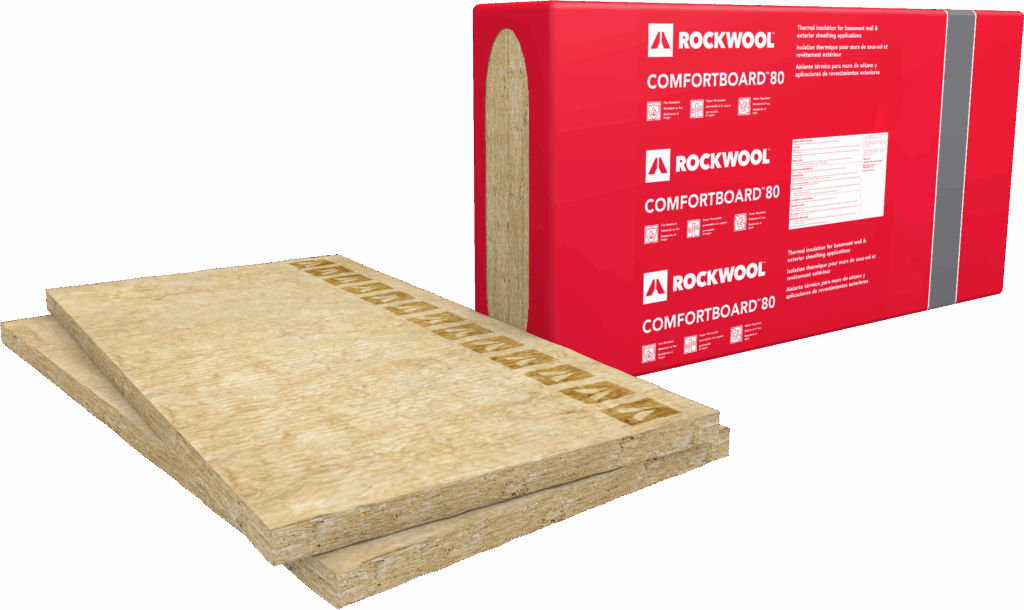
Unlike foam-based systems, it offers superior fire resistance and excellent water repellency while remaining vapour-permeable.
Its high density makes it impact-resistant, and its mineral composition naturally deters pests.
4. DuROCK PUCCS EIFS
It integrates a moisture barrier, EPS insulation, and a reinforced acrylic finish to protect buildings from wind-driven rain and snow.
It’s built-in drainage plane allows any incidental water to escape, preventing moisture buildup and extending the life of the system.
5. TYPAR® Weather Protection System with CI
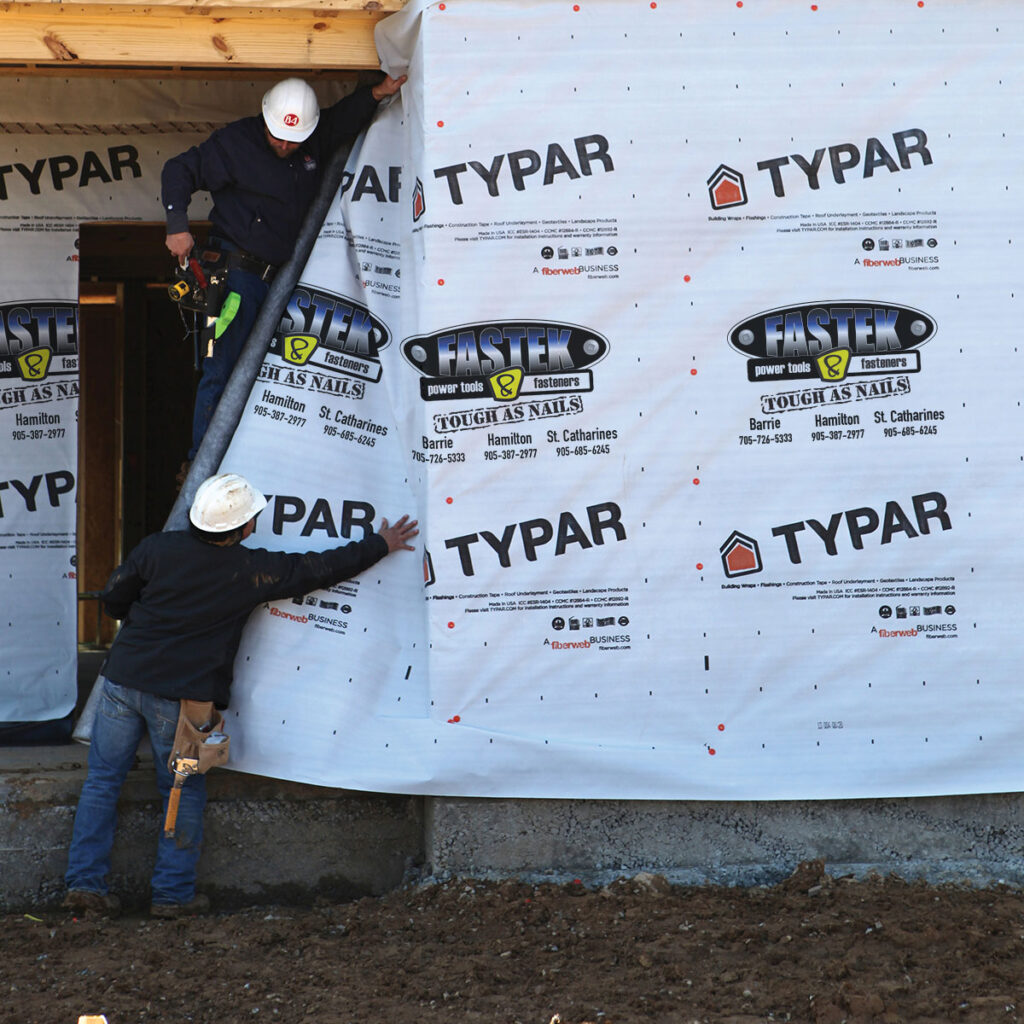
TYPAR’s continuous insulation system pairs rigid foam insulation with a breathable, weather-resistant barrier.
Benefits of Using Advanced Insulation Technology
Improved Energy Efficiency
Modern exterior insulation systems are engineered to achieve high R-values, significantly reducing heating and cooling demands. This translates into lower energy bills and reduced greenhouse gas emissions.
Enhanced Comfort
By eliminating cold spots and drafts, these systems create a more stable and comfortable indoor environment year-round, which is crucial in Canada’s climate extremes.
Design Flexibility
Advanced insulation systems can be finished with a variety of textures and colours, allowing architects and homeowners to achieve virtually any aesthetic while still meeting performance goals.
Real-World Examples of Exterior Insulation in Canada
Energy-Efficient Retrofits in Toronto
The added insulation layer reduces heating demand and helps meet local green building standards.
Commercial Buildings in Vancouver
High-rise and mid-rise buildings in Vancouver have adopted ROCKWOOL Comfortboard™ for its fire resistance and soundproofing benefits.
Use Cases and Practical Applications
Retrofitting Older Homes
Many pre-1980s Canadian homes have minimal wall insulation. Installing an exterior insulation system can dramatically increase energy performance without reducing interior space.
Enhancing Commercial Building Efficiency
Office towers and institutional buildings benefit from the continuous insulation layer, which helps meet stringent energy codes and reduces operational costs.
Meeting Passive House Standards
Exterior insulation is a core component of Passive House design, helping achieve ultra-low energy use through airtight construction and high thermal resistance.
Frequently Asked Questions
Q1: How long do exterior insulation systems last in Canada?
With proper installation and maintenance, high-quality systems can last 30–50 years, depending on environmental exposure and material choice.
Q2: Are exterior insulation systems suitable for cold Canadian winters?
Yes. They are specifically designed to provide high thermal performance and moisture protection, making them ideal for Canada’s sub-zero temperatures.
Q3: Can exterior insulation improve soundproofing?
Yes. Certain materials, such as mineral wool, provide excellent acoustic insulation in addition to thermal benefits.