Best Weather-Resistant Cladding Options for Homes in Australia – Complete Guide
Weather-Resistant Cladding Australia. Australia’s diverse climate demands that exterior building materials be resilient, adaptable, and aesthetically appealing. From the tropical humidity of Queensland to the dry heat of Western Australia and the cold alpine regions of Victoria, cladding plays a vital role in protecting homes against extreme environmental conditions.
Introduction to Weather-Resistant Cladding in Australia
Weather-resistant cladding is designed to stand up to harsh sunlight, heavy rain, salt-laden coastal air, and even bushfire threats. The right choice not only ensures durability but also enhances a home’s architectural appeal and energy efficiency.
In recent years, advances in material technology have made cladding more resistant to UV degradation, moisture intrusion, warping, and corrosion, while offering homeowners a wide range of design options.
What Makes Cladding “Weather-Resistant”?
Weather-resistant cladding incorporates materials and coatings engineered to endure Australia’s climate without losing performance or aesthetic value over time.
Resistance to Moisture and Humidity
For tropical and coastal environments, moisture resistance is essential to prevent rot, swelling, or mould growth.
UV and Heat Protection
High UV exposure can cause fading, brittleness, and warping. Quality cladding integrates UV inhibitors and heat-stable materials to withstand prolonged sun exposure.
Bushfire Performance
In bushfire-prone areas, non-combustible or fire-rated cladding materials are essential to meet Australian safety standards and building codes.
Top Weather-Resistant Cladding Materials in Australia
1. Fibre Cement Cladding
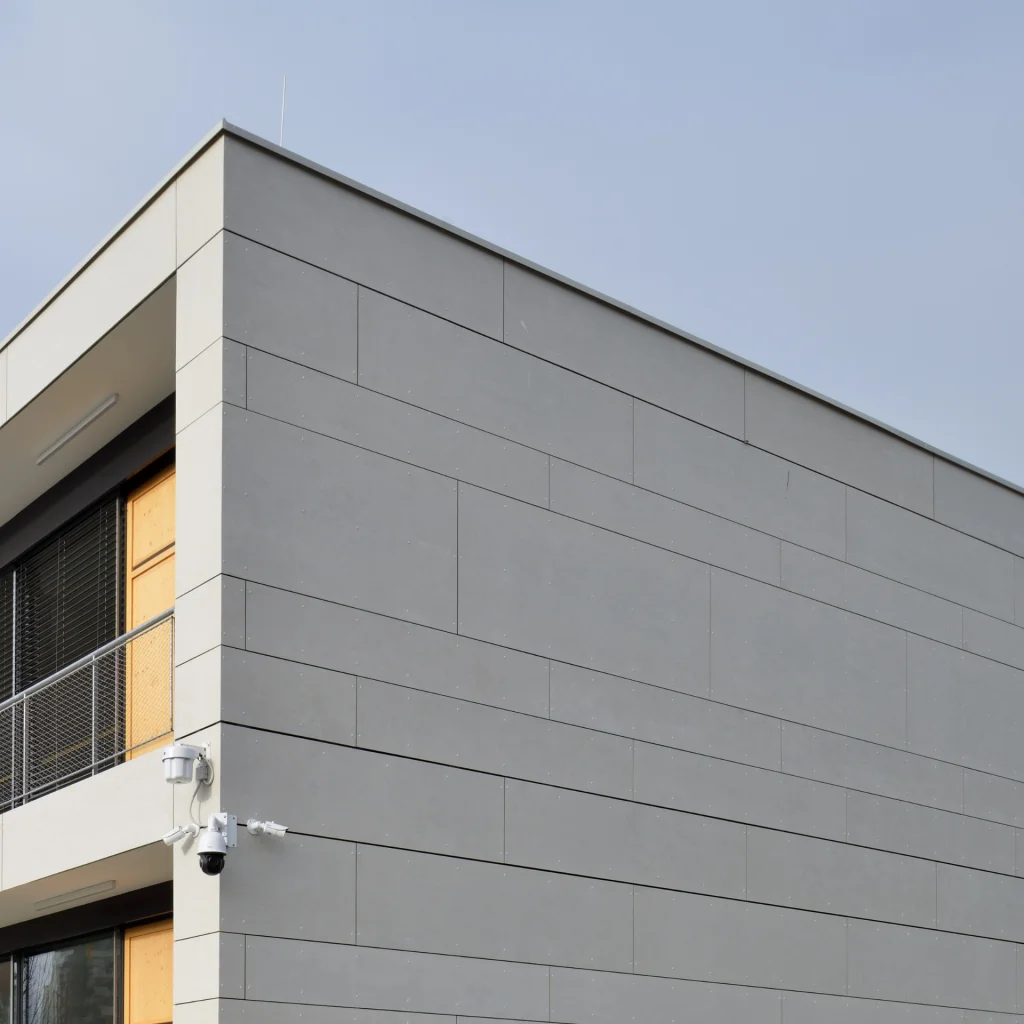
Fibre cement cladding is a composite material made from cement, cellulose fibres, and sand. It’s highly resistant to rot, moisture, and termites, making it a preferred choice in many Australian regions.
It offers excellent dimensional stability, meaning it won’t warp under temperature fluctuations, and can be painted in a wide range of colours. Brands like James Hardie have developed fibre cement products specifically tested for Australian weather conditions.
2. Aluminium Cladding
Aluminium cladding is lightweight, corrosion-resistant, and virtually maintenance-free. When powder-coated or anodised, it can withstand years of UV exposure and coastal salt spray without significant wear.
Its sleek, modern appearance makes it a favourite for contemporary architecture, while its recyclability supports sustainable building practices.
3. uPVC Cladding
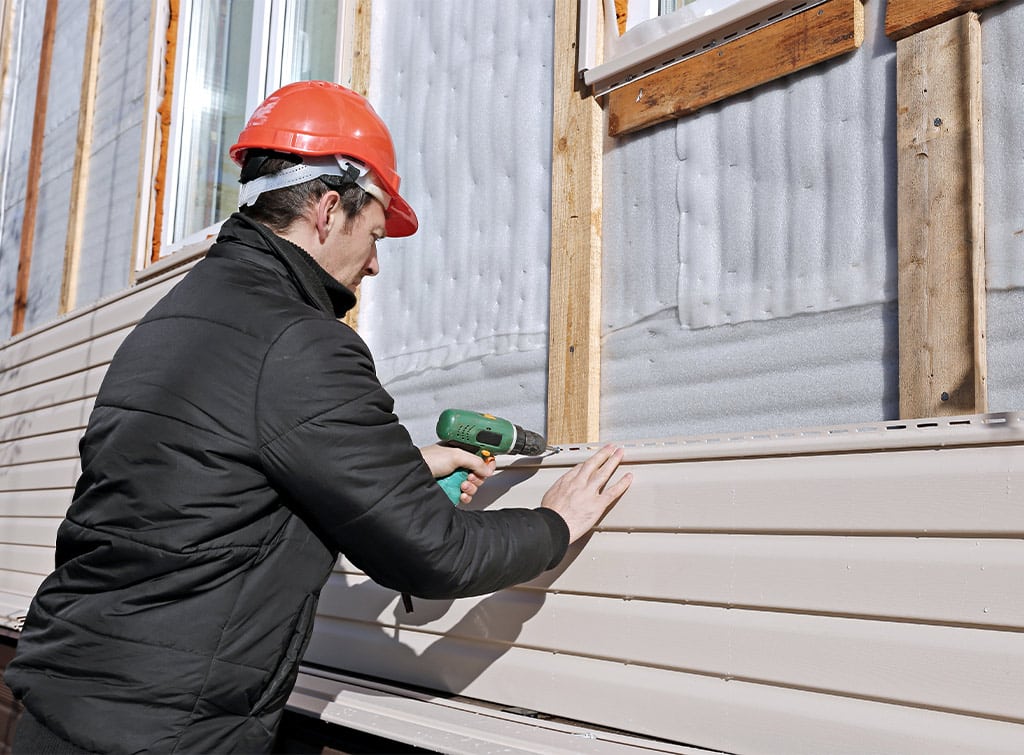
uPVC (unplasticised polyvinyl chloride) cladding offers strong moisture resistance, making it ideal for coastal and humid climates. It’s low-maintenance, does not require painting, and is available in a variety of textures, including timber-look finishes.
UV stabilisers within uPVC formulations ensure that colour fading is minimal even under intense sunlight. This makes it a reliable long-term investment for exterior protection.
4. Timber-Look Composite Cladding
For those wanting the natural warmth of wood without the maintenance challenges, timber-look composite cladding provides the perfect balance. These products are made from a blend of recycled timber fibres and polymers, delivering enhanced resistance to moisture, pests, and UV damage.
The result is an authentic wood grain finish that won’t warp, rot, or require frequent refinishing, making it well-suited for Australia’s varying climates.
5. Natural Stone Cladding
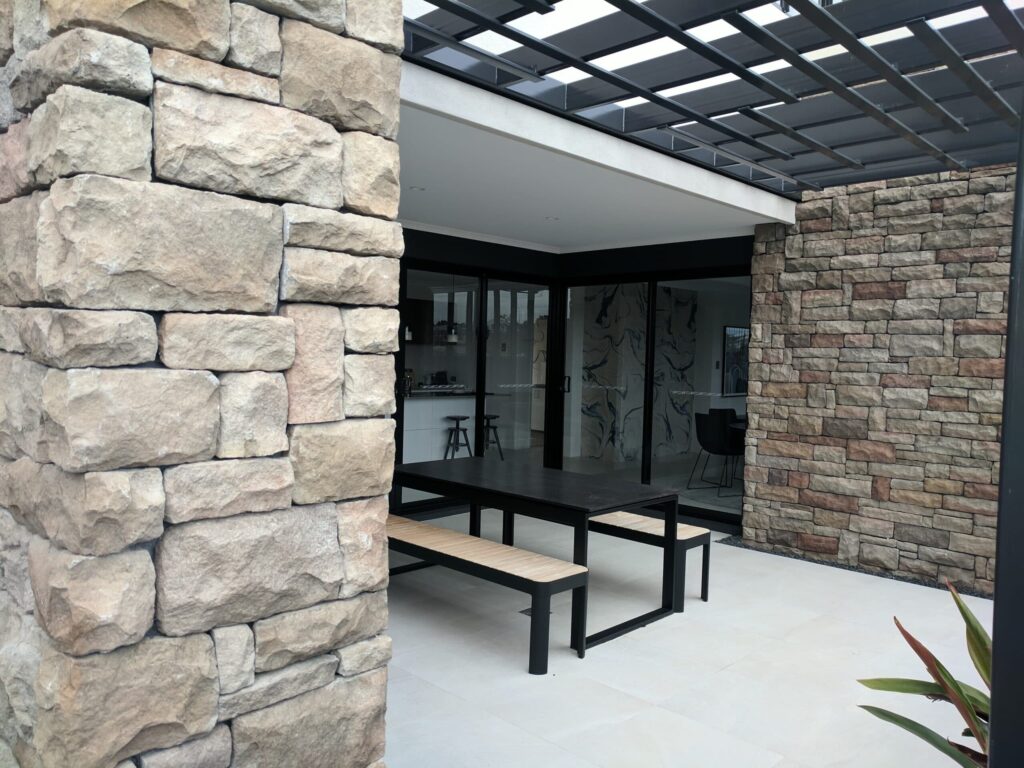
Natural stone cladding offers unmatched durability and visual appeal. Stone resists UV damage, moisture, and temperature extremes while providing superior thermal mass benefits.
Although heavier and more expensive than other options, stone cladding delivers a timeless aesthetic and can be used as a feature element or across entire facades for maximum impact.
Benefits of Using Advanced Cladding Technology
Enhanced Longevity
Modern cladding materials integrate advanced protective coatings, moisture barriers, and stabilising agents that extend their lifespan well beyond traditional products.
Low Maintenance
Weather-resistant cladding reduces the need for frequent repainting, sealing, or repairs. This is particularly valuable in remote or coastal areas where upkeep can be challenging.
Energy Efficiency
Some cladding systems offer built-in insulation, improving a building’s thermal performance and reducing energy consumption for heating and cooling.
Increased Property Value
High-quality cladding not only protects the structure but also enhances curb appeal, making the property more attractive to potential buyers.
Real-World Examples of Weather-Resistant Cladding in Australia
1. James Hardie Linea Weatherboard (Fibre Cement)
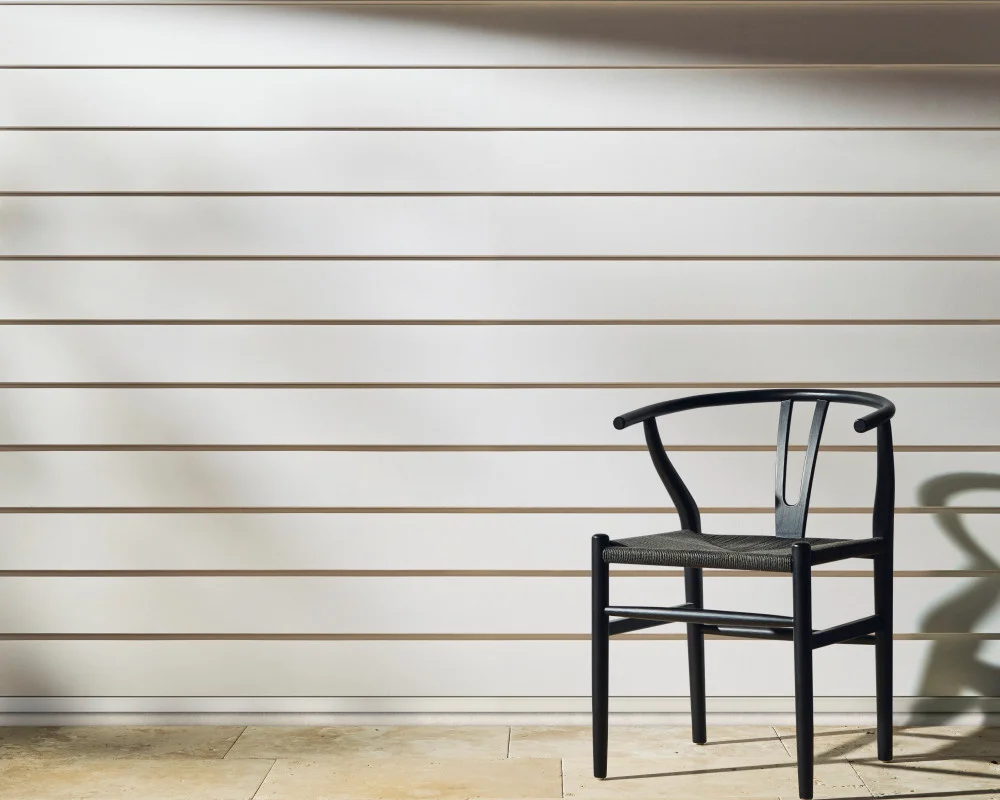
James Hardie’s Linea Weatherboard is a popular fibre cement cladding solution engineered for Australia’s diverse conditions. It resists shrinking, swelling, and cracking, making it perfect for both humid coastal zones and dry inland areas.
Its deep shadow lines and painted finish give it a timeless appeal, while its durability means it can last decades with minimal maintenance.
2. Alucobond Aluminium Cladding
Alucobond panels are known for their lightweight, corrosion resistance, and architectural flexibility. These aluminium composite panels are often used in high-end residential and commercial projects across Australia.
Their ability to withstand intense UV exposure and coastal salt spray makes them particularly valuable in regions like Sydney’s northern beaches or the Gold Coast.
3. Weathertex EcoWall (Natural Timber Composite)
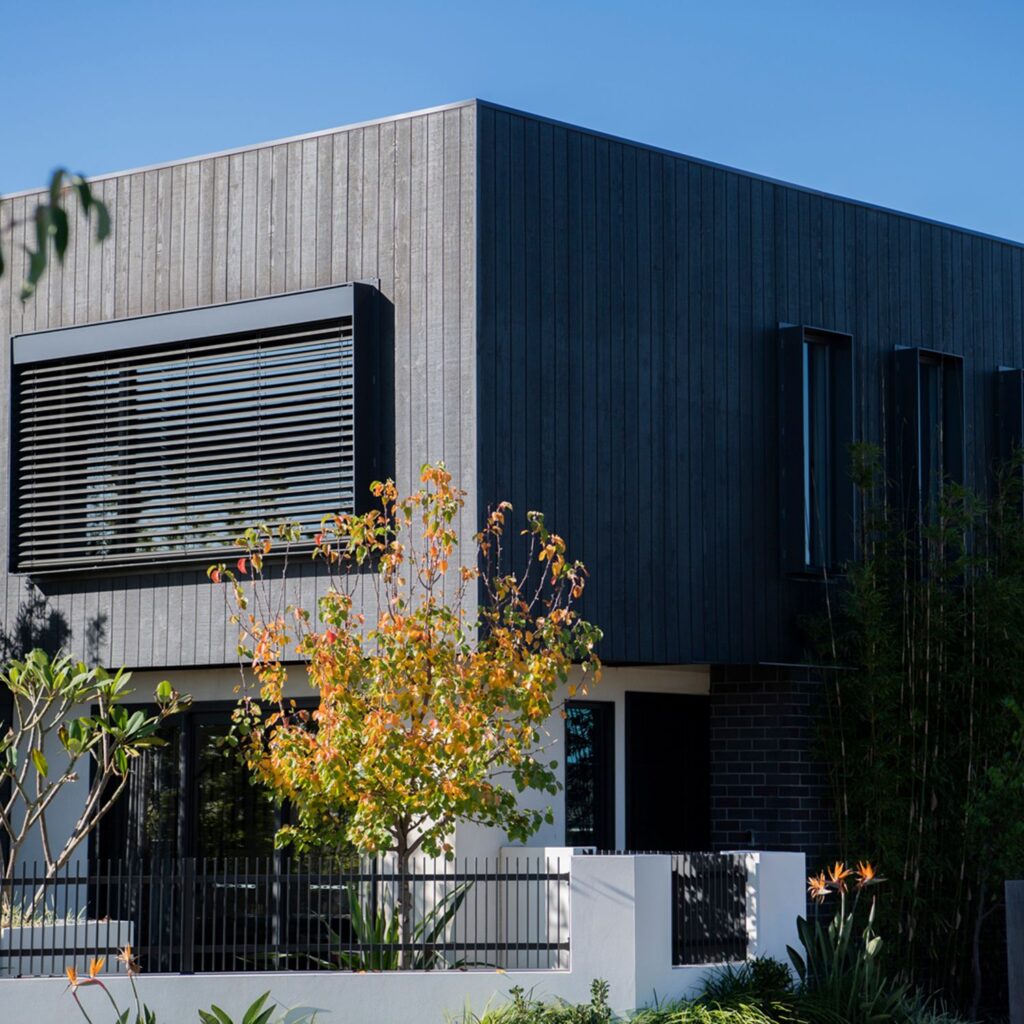
Weathertex EcoWall is an Australian-made cladding product crafted from 97% natural timber and 3% wax. It’s free from chemical additives and offers excellent weather resistance with a smooth or textured finish.
Designed to suit Australian climates, it’s highly durable and sustainable, making it ideal for eco-conscious homeowners who still want a warm, natural aesthetic.
4. Duratuff Select uPVC Cladding
Duratuff Select is a premium uPVC cladding option with outstanding impact resistance and UV protection. It’s used extensively in coastal communities where salty air and high humidity are constant challenges.
Its range of woodgrain textures and colours allows for customisation without sacrificing performance or durability.
Use Cases and Practical Applications
Protecting Coastal Homes from Salt Corrosion
In areas like Perth’s coastline or Queensland’s islands, salt-laden air can quickly degrade standard cladding. Aluminium and uPVC cladding with corrosion-resistant coatings provide long-term protection in these environments.
Withstanding Tropical Rainfall and Humidity
Northern Queensland and Darwin experience intense wet seasons. Fibre cement and composite cladding prevent water absorption, mould growth, and structural deterioration in such climates.
Bushfire-Resistant Building Solutions
In bushfire-prone regions of Victoria and New South Wales, selecting non-combustible cladding such as fibre cement or aluminium is essential to meet building safety codes and protect property.
Frequently Asked Questions
Q1: How long can weather-resistant cladding last in Australia?
With proper installation and maintenance, high-quality cladding can last 25–50 years, depending on the material and environmental exposure.
Q2: Which cladding is best for bushfire-prone areas?
Non-combustible options such as fibre cement and aluminium are preferred for bushfire-prone regions, as they meet stringent fire safety standards.
Q3: Can cladding improve a home’s insulation?
Yes. Some cladding systems include integrated insulation layers, which can enhance thermal efficiency and reduce heating and cooling costs.