Contemporary Garden Pathways Netherlands – Modern Designs, Trends, and Use Cases
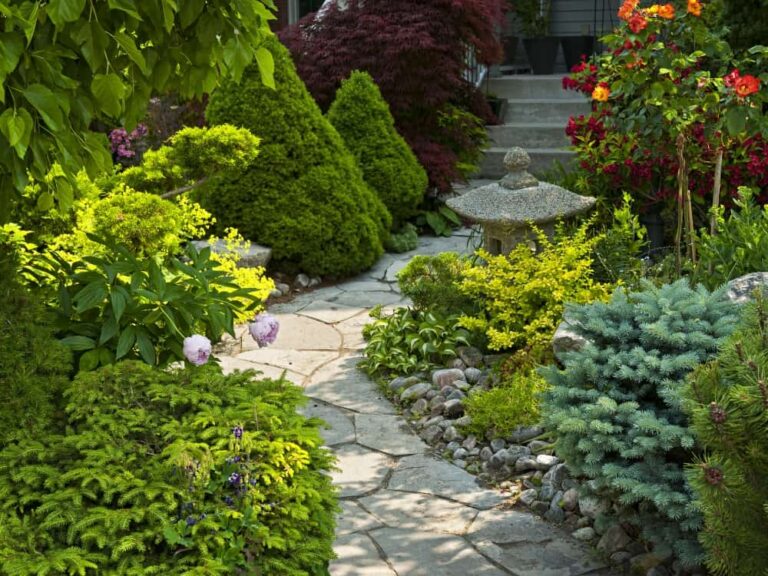
Contemporary garden pathways in the Netherlands have evolved beyond mere functional routes through outdoor spaces. They are now a central element of landscape design, blending aesthetics, sustainability, and practicality. Dutch garden pathways are often inspired by the country’s minimalist yet nature-connected design philosophy, where clean lines meet organic textures.
Introduction to Contemporary Garden Pathways in the Netherlands
The modern Dutch approach combines the functionality of easy navigation with the artistry of integrated landscaping. Whether in residential gardens, urban courtyards, or public parks, pathways have become defining features that influence the flow, mood, and usability of the entire outdoor space.
Key Features of Contemporary Garden Pathways
Minimalist and Clean Design Lines
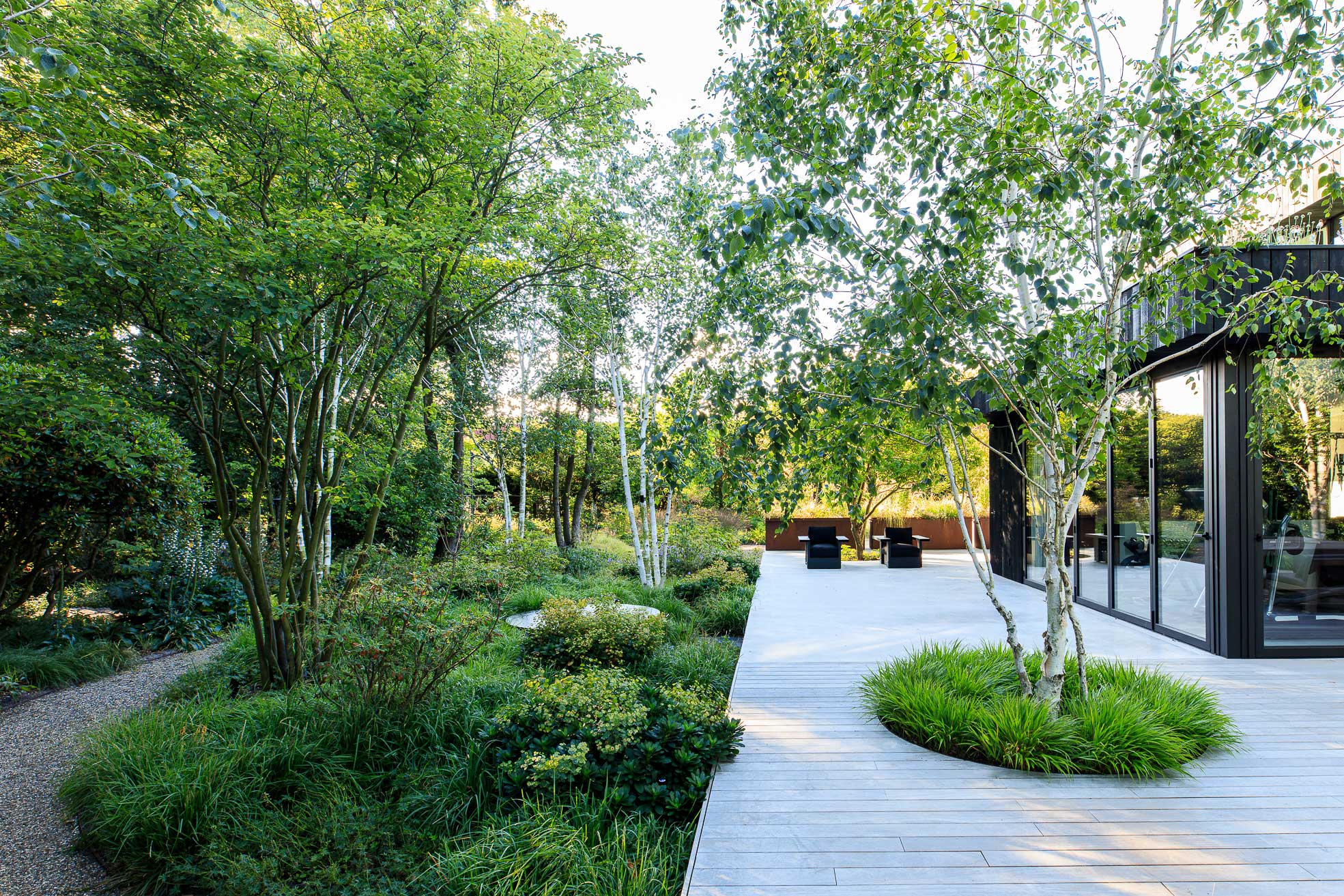
Dutch landscaping embraces minimalism—straight lines, simple curves, and geometric shapes that guide movement while keeping the look uncluttered. This approach makes pathways feel intentional and harmoniously connected to the surrounding greenery.
Sustainable and Eco-Friendly Materials
Many modern pathways in the Netherlands use recycled stone, permeable pavers, or sustainably sourced wood. This not only supports environmental goals but also helps manage water runoff, an important consideration in a country with frequent rain.
Benefits of Contemporary Garden Pathways
Enhancing Outdoor Aesthetics
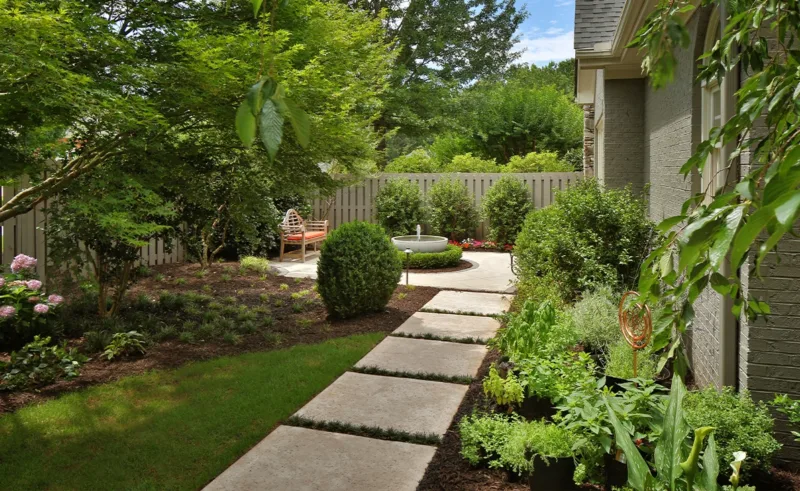
A well-designed pathway serves as a visual guide that leads the eye through the garden, highlighting focal points such as water features, sculptures, or seating areas. In the Netherlands, designers often use contrasting materials—like sleek concrete alongside lush greenery—to create striking visual interest.
Improving Accessibility and Functionality
Contemporary pathways ensure that gardens are accessible in all weather conditions. With non-slip surfaces and strategic lighting, they make outdoor areas safe for use year-round, even during wet Dutch winters.
Increasing Property Value
Investing in well-planned pathways can increase the aesthetic appeal of a property, making it more attractive to potential buyers or renters. In densely populated urban areas, where outdoor space is a luxury, a thoughtfully designed pathway can be a key selling point.
Real-World Examples of Contemporary Garden Pathways in the Netherlands
1. Amsterdam Urban Courtyard Pathway
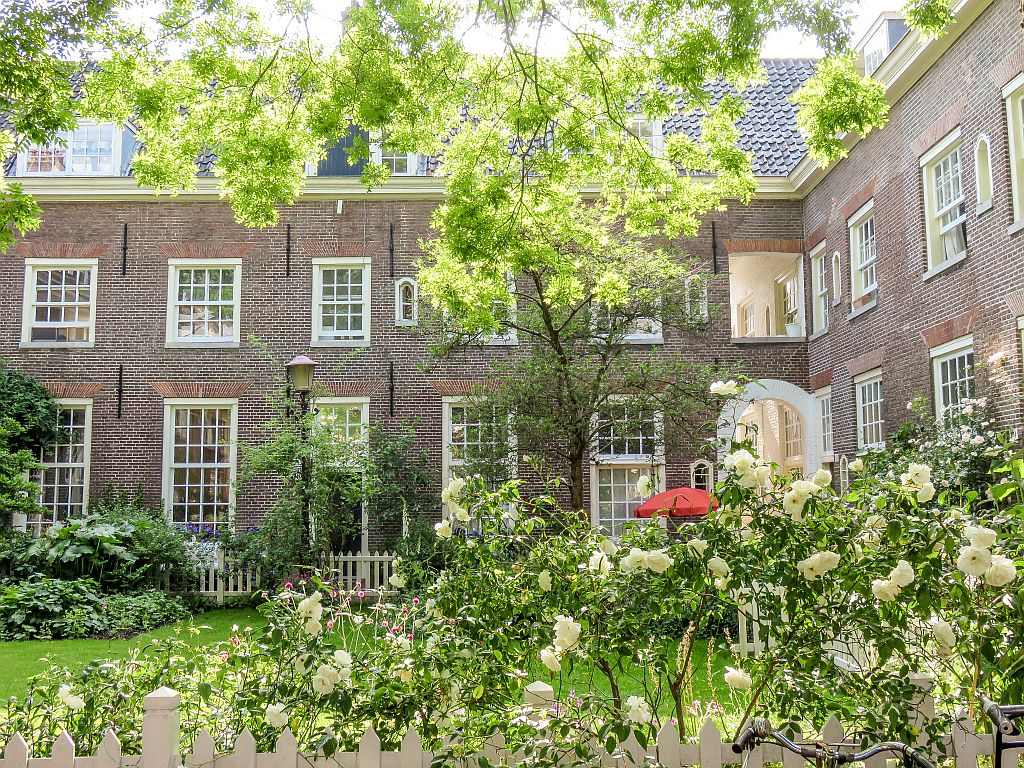
In Amsterdam’s city center, a residential courtyard features a linear stone pathway bordered by native wildflowers. The design uses recycled Belgian bluestone slabs with moss-filled joints, blending historic charm with contemporary elegance. The choice of plants enhances biodiversity, attracting pollinators while keeping maintenance low.
This example demonstrates how even compact spaces can be transformed with smart pathway planning, guiding residents through the courtyard while doubling as an aesthetic feature.
2. Rotterdam Rooftop Garden Path

A rooftop garden in Rotterdam incorporates lightweight concrete tiles laid in a staggered pattern, combined with strips of drought-resistant sedum plants. This design minimizes weight load on the rooftop structure while offering a refreshing green walkway that connects lounge areas with panoramic city views.
This solution highlights how pathways are not limited to ground-level gardens—they can also create structure and flow in elevated green spaces.
3. Utrecht Modern Residential Garden
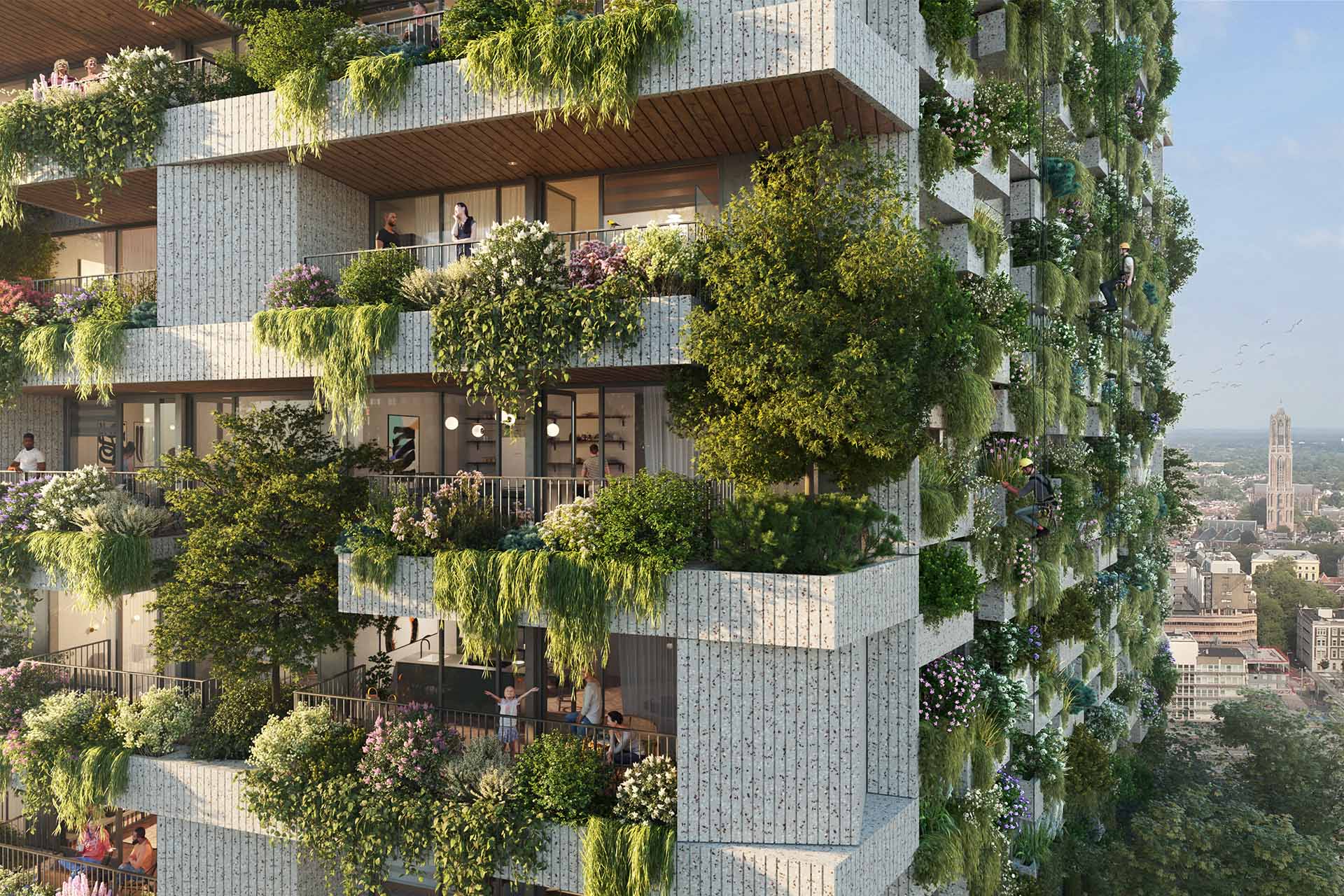
In a newly built Utrecht home, a wide gravel pathway leads from the main patio to a secluded seating area under a pergola. The pathway is framed with corten steel edging, giving it a sharp, modern outline while preventing the gravel from spilling into surrounding garden beds.
The design strikes a balance between softness and structure, allowing rainwater to permeate while maintaining a crisp, contemporary style.
Practical Use Cases of Contemporary Garden Pathways
Guiding Movement in Outdoor Spaces
Pathways provide a natural guide for visitors, leading them through different zones in the garden without trampling plants or creating unwanted dirt trails.
Connecting Functional Areas
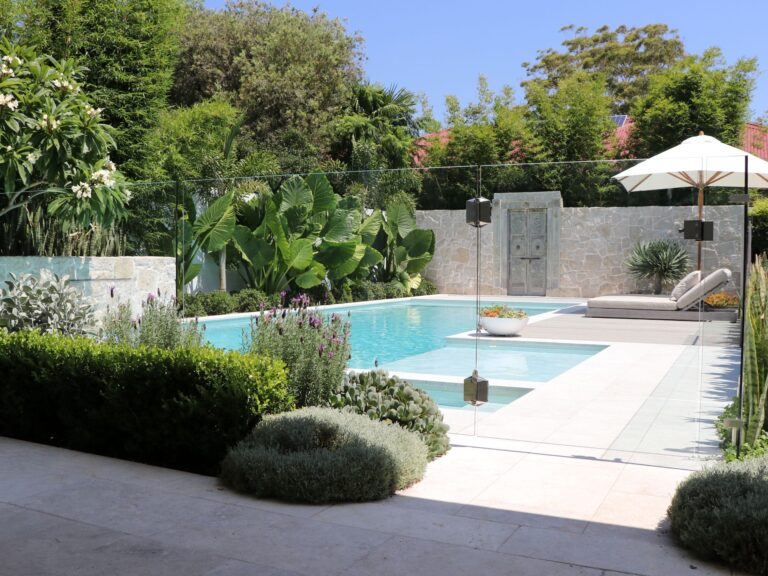
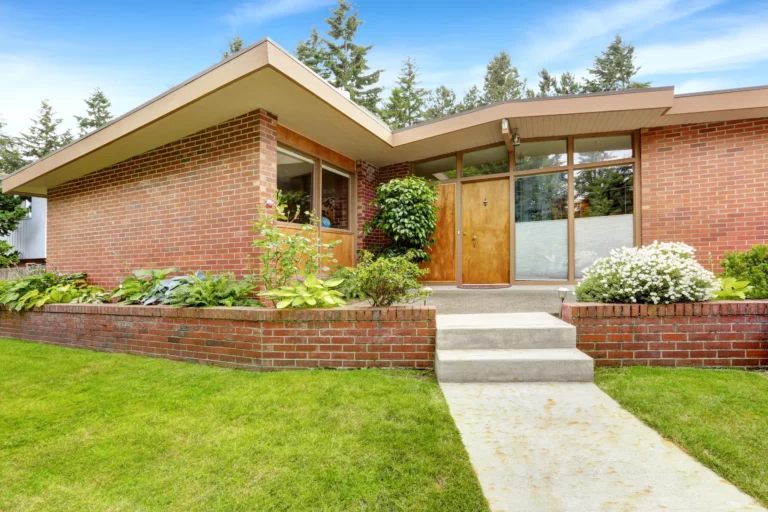
Whether linking a driveway to a front door or a pool area to a garden pavilion, pathways ensure seamless connectivity while adding visual appeal.
Defining Garden Zones
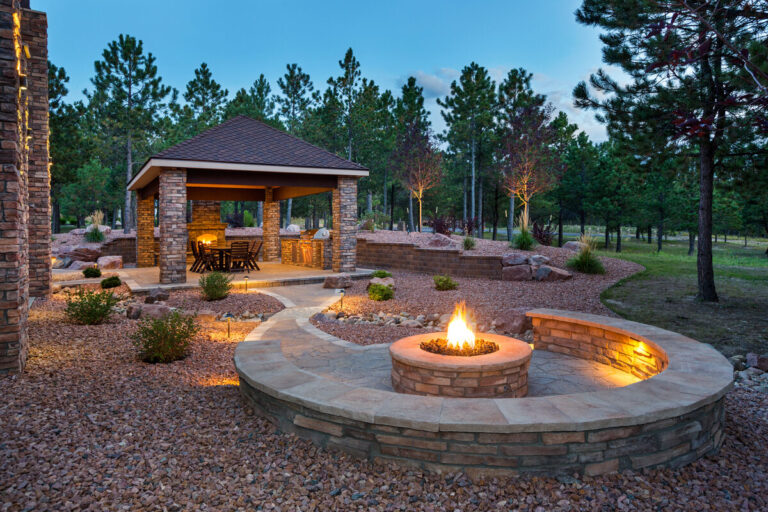
Pathways can subtly divide a garden into distinct sections—such as dining, play, and relaxation areas—without using fences or walls, maintaining an open and inviting atmosphere.
Technology and Modern Design in Pathway Construction
The integration of technology has enhanced how pathways are planned, built, and enjoyed in the Netherlands.
-
3D Landscape Design Software – Allows homeowners and designers to visualize pathways in different layouts before construction.
-
Smart Lighting Systems – LED pathway lights with motion sensors improve safety while conserving energy.
-
Permeable Paving Systems – Advanced pavers that let rainwater filter through, reducing puddles and supporting sustainable urban drainage.
These technologies not only make pathways more functional but also more adaptable to changing environmental conditions.
Challenges and Solutions in Dutch Contemporary Pathway Design
Challenge: Limited Urban Space
In many Dutch cities, outdoor areas are compact. Solution: Use narrow but visually striking pathways, paired with vertical landscaping to maximize green impact.
Challenge: Frequent Rainfall and Moisture
Surfaces can become slippery. Solution: Choose textured or non-slip materials and incorporate good drainage systems.
Challenge: Balancing Modern and Natural Elements
Too much hardscaping can feel cold. Solution: Mix natural plant borders with modern materials for warmth and visual balance.
FAQs
Q1: What materials are most common for contemporary garden pathways in the Netherlands?
A1: Popular materials include natural stone, permeable concrete pavers, corten steel edging, and gravel. Many designs also incorporate recycled or reclaimed materials for sustainability.
Q2: How do pathways improve a garden’s functionality?
A2: They guide movement, protect plants from being stepped on, and connect different functional areas, making the garden easier and safer to navigate year-round.
Q3: Are contemporary pathways suitable for small Dutch gardens?
A3: Yes. With careful planning, even narrow or irregular spaces can benefit from sleek, functional pathways that enhance both usability and visual appeal.