Brick Facade Restoration in the UK: Techniques, Benefits, and Real-World Examples
Brick facade restoration is an essential process for maintaining the structural integrity, aesthetic value, and historical charm of buildings across the UK. From heritage properties in London to modern urban structures in Manchester, restoring brick exteriors ensures that buildings remain both visually appealing and weather-resistant.
Introduction to Brick Facade Restoration in the UK
This practice involves more than just cleaning or repainting—it’s a skilled craft that blends architectural preservation with modern restoration techniques. In the UK, where many buildings are centuries old, brick facade restoration plays a crucial role in maintaining cultural heritage while meeting modern safety standards.
Understanding Brick Facade Restoration
Brick facade restoration refers to the repair, cleaning, and preservation of external brick surfaces. Over time, exposure to pollution, moisture, and temperature fluctuations can lead to fading, staining, cracking, or crumbling mortar joints.
Restoration specialists in the UK use methods such as repointing, chemical cleaning, and brick replacement to bring a building’s facade back to life. Importantly, the process respects the original architectural style, especially in heritage or listed buildings, where strict regulations apply.
Common Issues Affecting Brick Facades in the UK

Weathering and Erosion
The UK’s climate, with its frequent rain and seasonal frosts, accelerates brick deterioration. Water infiltration can cause cracks, and frost cycles expand damage over time.
Pollution and Staining
Urban areas suffer from pollution-related staining, particularly from vehicle exhaust and industrial emissions. These stains often require specialist cleaning techniques to avoid damaging the brick’s surface.
Techniques Used in Brick Facade Restoration
Brick Cleaning Methods
Brick cleaning is often the first step in restoration. In the UK, professional restorers use techniques like low-pressure steam cleaning or gentle chemical treatments to remove dirt and stains without eroding the brick surface.
This method is especially important for heritage buildings where abrasive cleaning could strip away historic finishes or patinas.
Repointing Mortar Joints
Repointing involves replacing deteriorated mortar between bricks. Skilled craftsmen match the new mortar to the original in both color and composition, ensuring that the restoration blends seamlessly with the existing structure.
Proper repointing not only improves aesthetics but also seals gaps to prevent water ingress and structural weakening.
Brick Replacement and Repair
When individual bricks are severely damaged, they may need to be replaced. The key is sourcing bricks that match the original in size, color, and texture. In the UK, this often means working with traditional brickmakers or reclaimed brick suppliers.
Real-World Examples of Brick Facade Restoration in the UK
1. The Royal Albert Hall, London
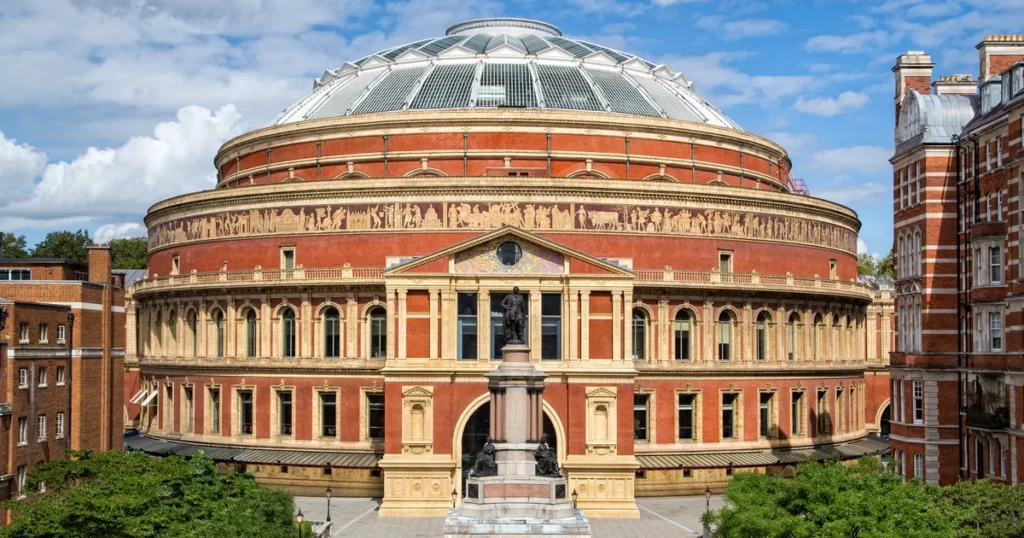
This iconic Grade I listed building underwent careful brick restoration to preserve its Victorian grandeur. The project involved cleaning thousands of bricks and repointing large sections without altering the original design.
The restoration ensured the Hall’s facade could withstand London’s weather while retaining its cultural significance.
2. Victorian Terrace Houses in Manchester
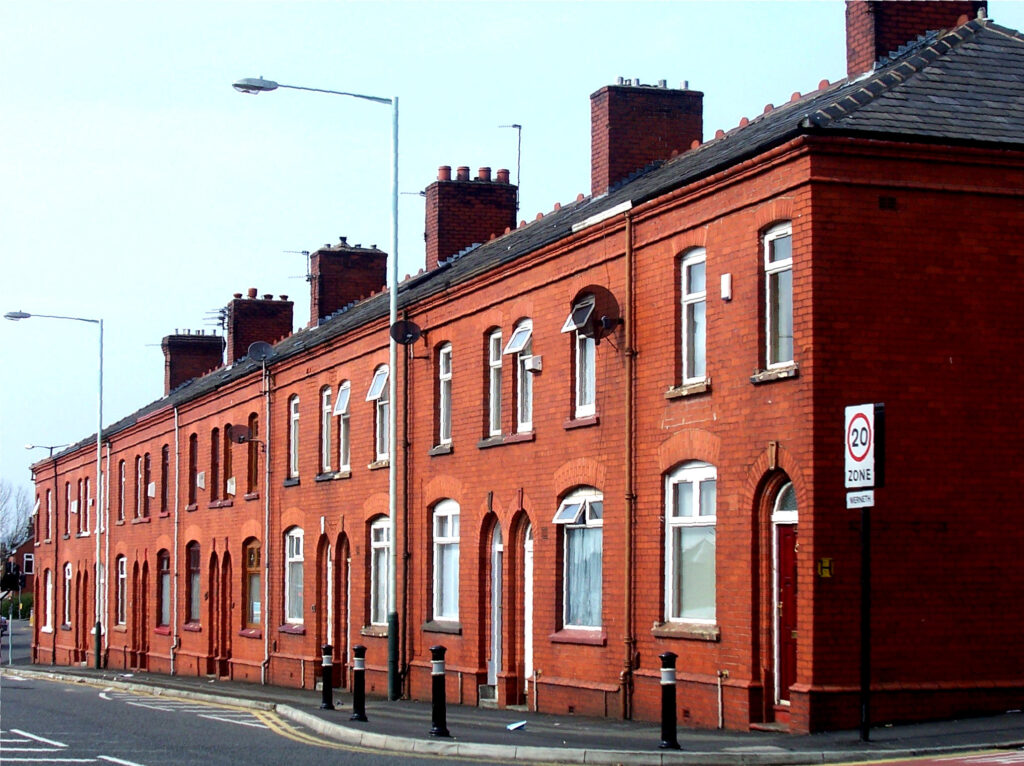
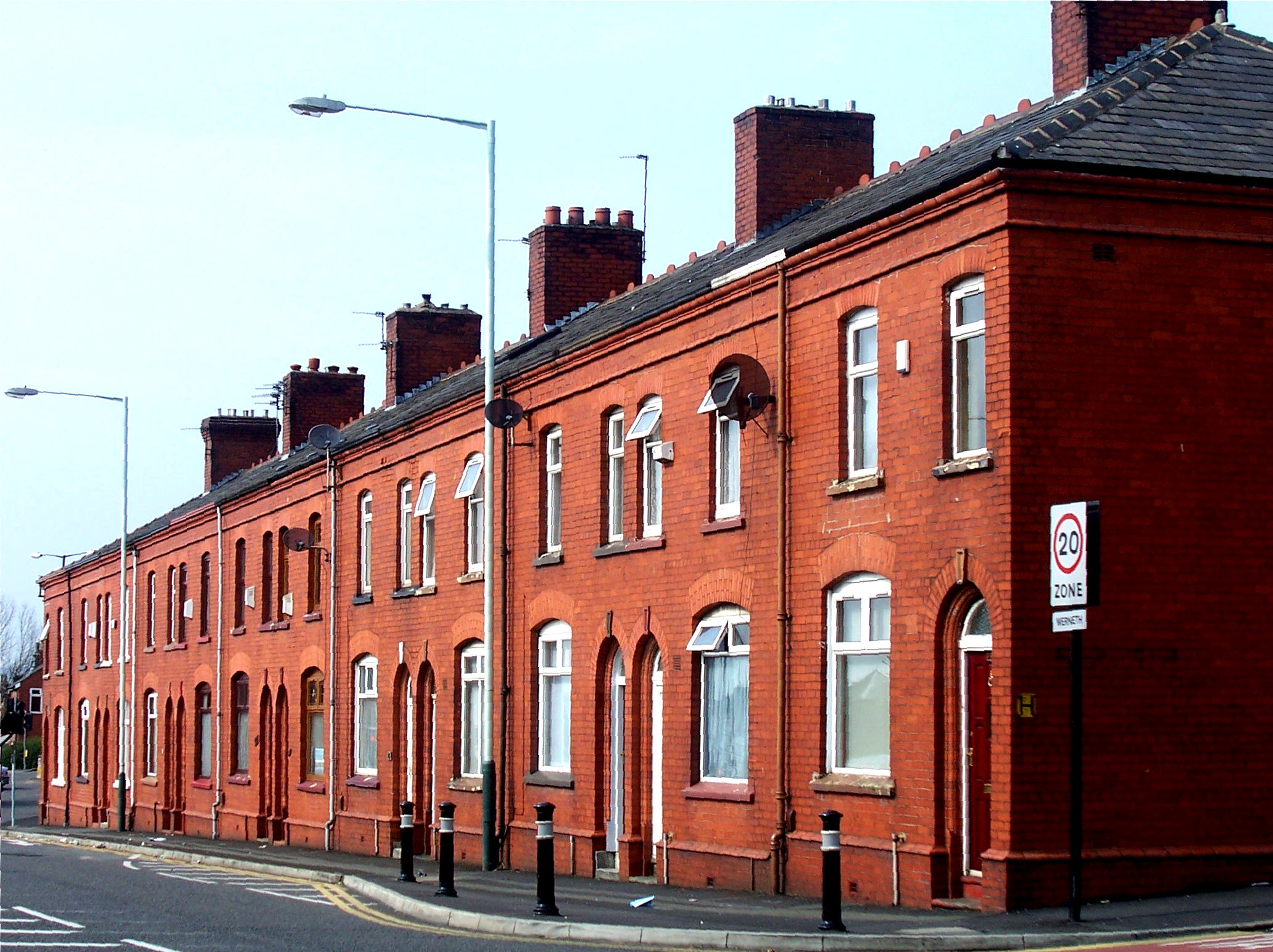
A row of Victorian terraces in central Manchester was restored using steam cleaning and lime mortar repointing. This approach maintained the historic look while addressing decades of weathering and pollution damage.
The result was a vibrant, clean facade that revitalised the neighbourhood’s appearance.
3. Edinburgh’s Historic University Buildings
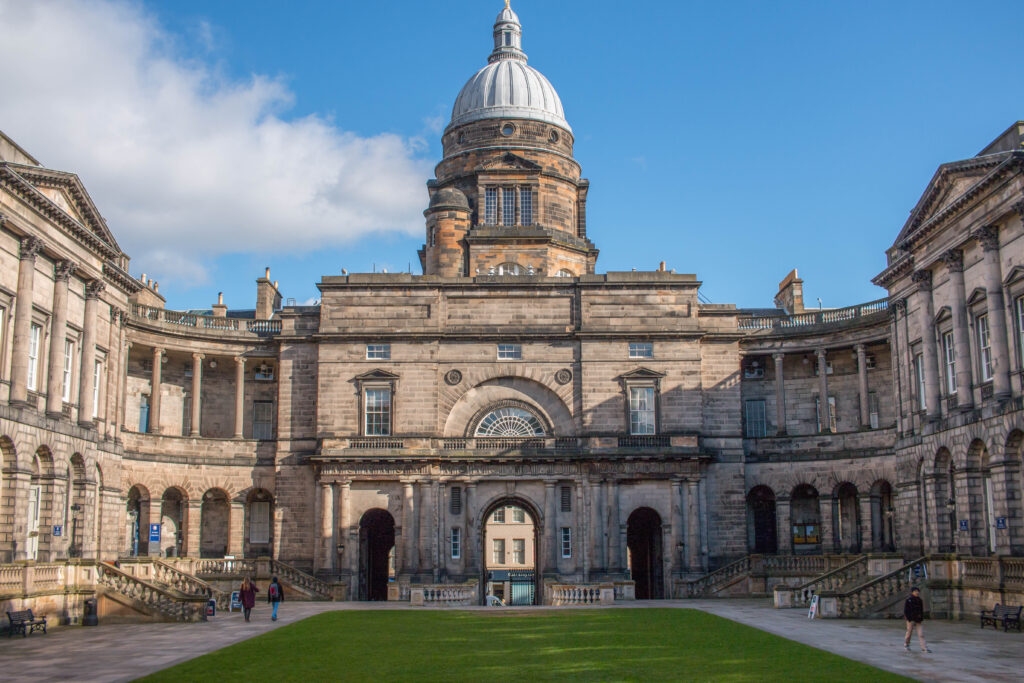
Several sandstone-and-brick university buildings in Edinburgh underwent facade restoration to repair cracks, replace damaged bricks, and remove algae growth. The process respected strict heritage guidelines, ensuring historical authenticity.
Benefits of Brick Facade Restoration
Preservation of Historical and Cultural Value
Restoration protects the architectural identity of UK cities and towns, maintaining the beauty of heritage properties for future generations.
Improved Structural Integrity
By repairing cracks, replacing damaged bricks, and repointing mortar, restoration prevents further deterioration and avoids costly structural repairs.
Enhanced Property Value and Aesthetics
A restored brick facade improves curb appeal and can significantly increase a property’s market value. This is particularly relevant for both residential and commercial properties in competitive markets.
Practical Use Cases for Brick Facade Restoration
Protecting Heritage Homes from Weather Damage
In coastal towns like Brighton, brick facades are regularly exposed to salty air and wind-driven rain. Restoration prevents long-term damage and maintains the area’s historic charm.
Revitalising Commercial Properties
In cities like Birmingham, restoring the exterior of an old brick warehouse can transform it into an attractive, modern office space while retaining its industrial heritage.
Preparing Buildings for Adaptive Reuse
Old schoolhouses, churches, and factories in the UK are often repurposed into apartments or community centres. Brick restoration ensures they meet safety and aesthetic standards without losing their historic character.
FAQ
1. How often should a brick facade be restored in the UK?
Most brick facades require professional restoration every 25–50 years, depending on exposure to weather, pollution, and maintenance practices.
2. Can modern techniques be used on heritage buildings?
Yes, but they must comply with heritage regulations. Many restorers combine traditional craftsmanship with gentle modern cleaning technologies.
3. Is brick restoration the same as brick replacement?
No. Restoration aims to preserve and repair as much of the original material as possible, whereas replacement involves installing new bricks.