Comprehensive Guide to Eco-Friendly Landscaping in Germany: Sustainable Practices and Benefits
Eco-friendly landscaping in Germany emphasizes creating outdoor spaces that harmonize with the environment while promoting sustainability and biodiversity. This approach focuses on minimizing ecological impact by using native plants, conserving water, reducing waste, and encouraging local wildlife habitats. Germany’s commitment to green initiatives, combined with its temperate climate and diverse flora, makes it a prime location for implementing eco-friendly landscaping practices.
Understanding Eco-Friendly Landscaping in Germany
In Germany, eco-friendly landscaping integrates well with the country’s broader environmental policies, including renewable energy use and waste reduction. Gardens and public spaces designed with sustainability in mind can improve air quality, reduce urban heat effects, and conserve natural resources. This approach not only benefits the environment but also enhances the quality of life for residents.
Key Principles of Eco-Friendly Landscaping in Germany
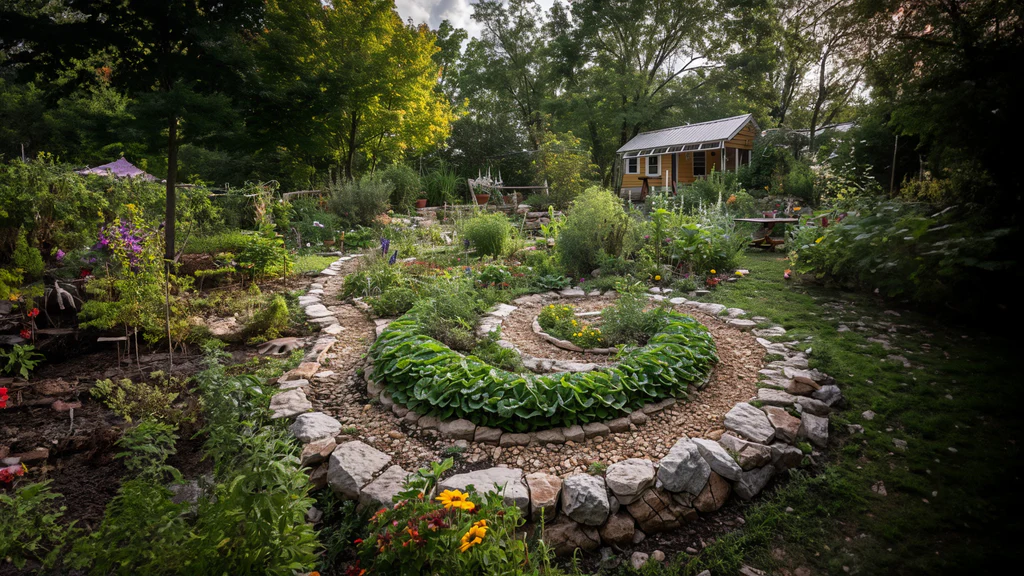
At the heart of eco-friendly landscaping are sustainable methods that reduce environmental impact. These principles include:
-
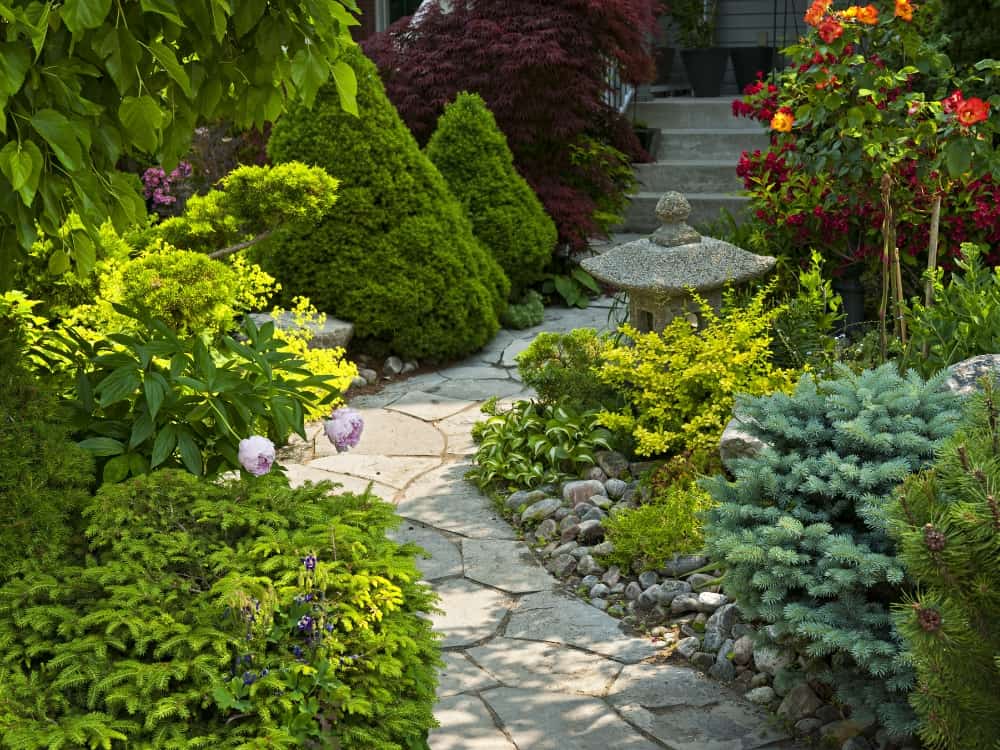
Selecting native and drought-resistant plants to reduce water consumption and support local ecosystems.
-
Avoiding chemical fertilizers and pesticides to protect soil health and biodiversity.
-
Incorporating permeable surfaces and rainwater harvesting systems to manage runoff and conserve water.
-
Promoting composting and organic waste recycling to enrich soil naturally.
Adhering to these principles aligns with Germany’s strong ecological regulations and community awareness, encouraging homeowners, municipalities, and businesses to adopt greener landscaping practices. This sustainable landscaping model also helps combat climate change by reducing carbon footprints.
Innovative Technologies in Eco-Friendly Landscaping
Technology plays a pivotal role in advancing eco-friendly landscaping in Germany. Smart irrigation systems use sensors to optimize water use based on soil moisture and weather conditions, dramatically reducing waste. Drone technology is increasingly used for aerial monitoring of large landscapes, helping landscapers assess plant health and spot pest infestations early.
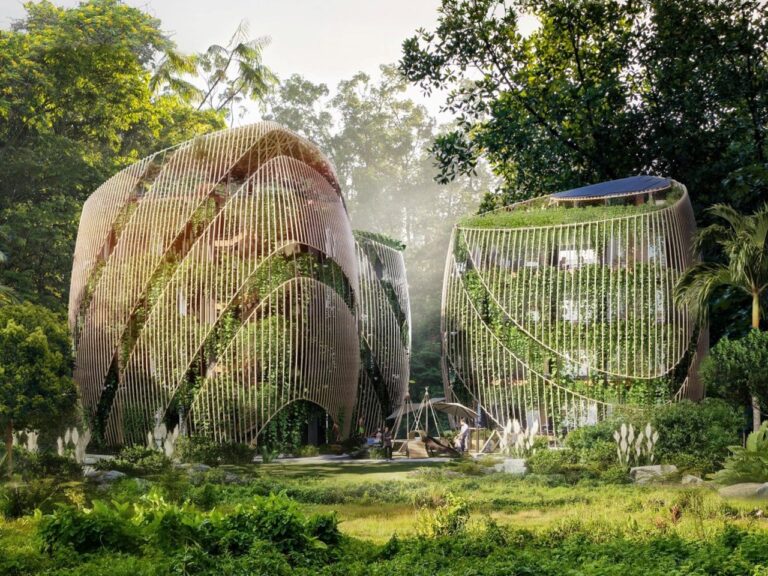
Another cutting-edge development is the use of green roofing and vertical gardens, which not only create green spaces in urban areas but also improve insulation and air quality. These systems incorporate sustainable materials and technologies that enhance plant growth while conserving energy.
Real-World Examples of Eco-Friendly Landscaping Solutions
1. Smart irrigation system
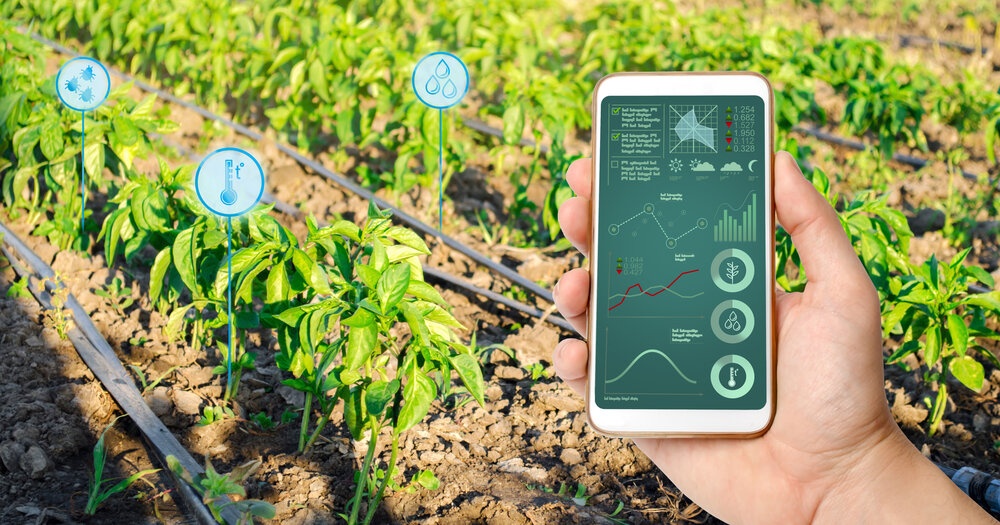
One example of technology-driven, eco-friendly landscaping is the use of smart irrigation systems such as the RainBird ESP-TM2 in German gardens. These systems adjust watering schedules automatically to reduce water waste, which is especially important during droughts. By using weather forecasts and soil moisture sensors, they ensure plants receive the precise amount of water needed.
2. Green roofs in urban Germany
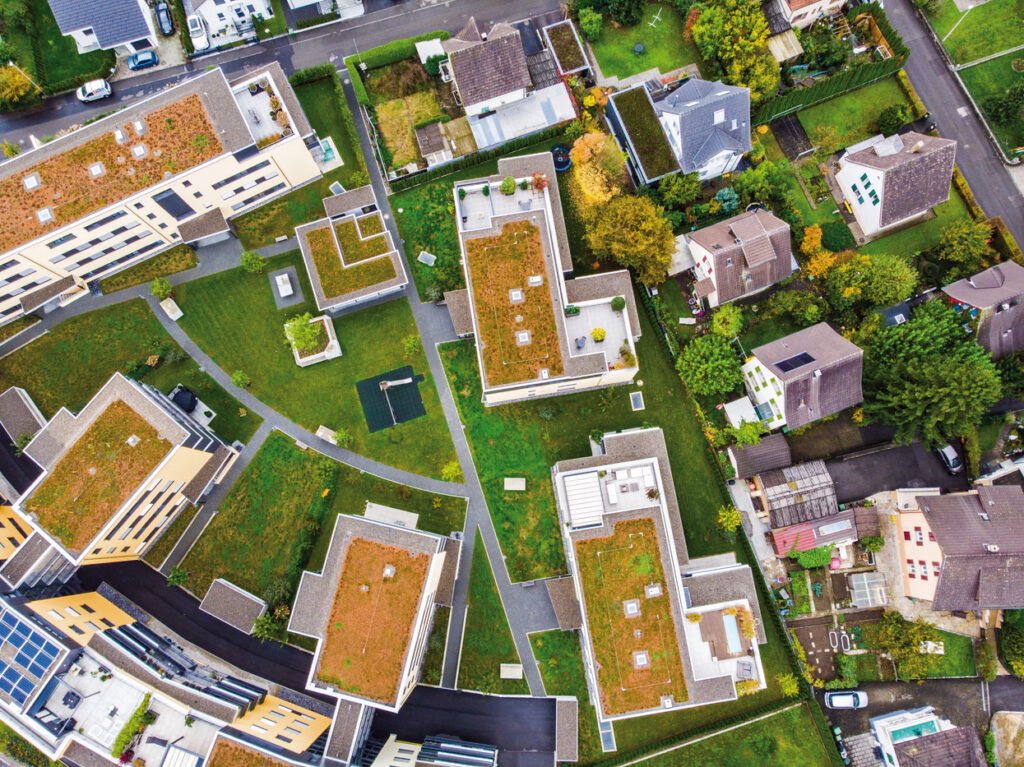
Green roofs have become popular in cities like Berlin and Munich. The Sedum Mat Green Roof System uses drought-resistant succulent plants that provide insulation, reduce stormwater runoff, and create habitats for insects and birds. This system exemplifies how urban areas can increase green space without expanding land use.
3. Vertical garden installation
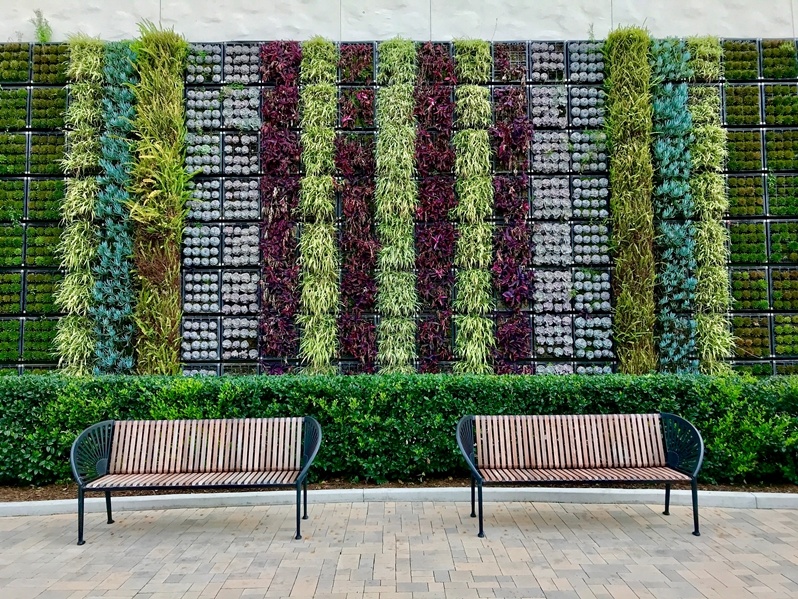
Vertical gardens, such as those implemented by companies like VertiPlant, transform small urban balconies or building walls into lush green spaces. These gardens use modular panels with native plants that improve air quality and contribute to urban cooling, supporting biodiversity in dense environments.
Benefits of Eco-Friendly Landscaping in Germany
Eco-friendly landscaping offers numerous practical advantages:
-
Water Conservation: By using native plants and efficient irrigation, water usage decreases significantly, helping to preserve Germany’s freshwater resources.
-
Biodiversity Support: Creating habitats with native flora attracts pollinators and beneficial wildlife, contributing to healthier ecosystems.
-
Reduced Maintenance Costs: Sustainable gardens often require less fertilizer, pesticide, and watering, lowering overall upkeep expenses.
-
Improved Air Quality: Plants in eco-friendly landscapes filter pollutants and produce oxygen, contributing to cleaner air, especially in urban settings.
-
Climate Change Mitigation: By reducing energy consumption and carbon emissions through sustainable landscaping, communities contribute to broader climate goals.
Practical Use Cases and Problem-Solving with Eco-Friendly Landscaping
Eco-friendly landscaping is useful in many real-life scenarios:
-
Urban Heat Island Mitigation: In densely built German cities, green roofs and vertical gardens help reduce the urban heat island effect by cooling buildings and surrounding air.
-
Flood Management: Permeable surfaces and rain gardens absorb rainwater, decreasing the risk of urban flooding during heavy storms.
-
Sustainable Residential Gardens: Homeowners seeking low-maintenance, environmentally responsible gardens benefit from native plants that thrive with minimal intervention.
-
Public Parks and Spaces: Municipalities use eco-friendly landscaping to enhance public green areas that support recreation, wildlife habitats, and community well-being.
-
Commercial Properties: Businesses integrate sustainable landscaping to improve aesthetics while demonstrating corporate social responsibility and reducing resource costs.
These use cases highlight the adaptability and significance of eco-friendly landscaping in solving environmental and urban challenges across Germany.
Frequently Asked Questions
Q1. What plants are best for eco-friendly landscaping in Germany?
Native species such as European beech, wild thyme, and native grasses are ideal because they require less water, support local wildlife, and adapt well to the German climate.
Q2. How does eco-friendly landscaping help combat climate change?
By reducing the need for chemical inputs, conserving water, and increasing green spaces, eco-friendly landscaping lowers carbon emissions and enhances carbon sequestration through healthy vegetation.
Q3. Is eco-friendly landscaping more expensive than traditional landscaping?
While initial setup may sometimes cost more due to specialized plants or technology, long-term maintenance costs are generally lower, making it economically beneficial over time.